Labor and Employment Law Compliance
Staying compliant with labor and employment laws is essential for every organization. Our platform helps ensure your leave policies align with legal standards, reducing the risk of violations and supporting fair workplace practices.
1. Wages and Hours – The Fair Labor Standards Act (FLSA)
The FLSA, enforced by the U.S. Department of Labor, sets the national standards for:
Minimum wage: As of now, the federal minimum wage is $7.25/hour, but many states and cities have higher rates. Employers must follow the rate that benefits the employee the most (typically the higher state or local rate).
Overtime pay: Non-exempt employees are entitled to 1.5x their regular rate for hours worked beyond 40 in a workweek. Proper time tracking is essential to avoid wage disputes.
Employee classification: Workers must be properly classified as exempt or non-exempt based on their job duties and salary. Misclassifying employees can lead to back pay claims, audits, and fines.
Recordkeeping: Employers must keep detailed records of hours worked, wages paid, and deductions for at least three years. This data supports compliance audits and wage claims.
2. Family and Medical Leave Act (FMLA)
The FMLA provides eligible employees with up to 12 weeks of unpaid, job-protected leave per year for qualified family and medical reasons, including:
The birth or adoption of a child
Serious health conditions of the employee or a close family member
Military caregiver leave or exigencies
Key requirements:
Applies to employers with 50 or more employees within a 75-mile radius.
Employees must have worked at least 12 months and logged 1,250 hours in the past year.
Employers must continue group health insurance and reinstate the employee to the same or equivalent role after leave.
Notice and documentation are required, and denial of qualified leave can result in legal action.
3. Equal Opportunity and Anti-Discrimination Laws
Employers must provide a workplace free from discrimination, harassment, and retaliation. Key federal laws include:
Title VII of the Civil Rights Act – Prohibits discrimination based on race, color, religion, sex, or national origin.
Age Discrimination in Employment Act (ADEA) – Protects workers age 40 and over.
Americans with Disabilities Act (ADA) – Requires reasonable accommodations for qualified employees with disabilities.
Pregnancy Discrimination Act (PDA) – Prohibits discrimination based on pregnancy, childbirth, or related conditions.
Genetic Information Nondiscrimination Act (GINA) – Prevents misuse of genetic information in employment decisions.
These laws are enforced by the Equal Employment Opportunity Commission (EEOC), and employers must:
Implement anti-discrimination policies
Provide training for managers and staff
Investigate complaints thoroughly
Retaliation against employees who report or participate in investigations is strictly prohibited
4. Workplace Harassment and Bullying
Employers must take proactive steps to prevent and address workplace harassment, especially sexual harassment, which violates Title VII. Requirements may include:
Mandatory annual training (e.g., in California, New York)
Clear reporting procedures
Prompt and confidential investigations
Disciplinary measures for offenders
A culture of respect and fairness, backed by consistent enforcement, is essential to maintaining compliance and avoiding litigation.
5. Hiring and Termination Practices
Employment laws govern every stage of the employment relationship—from recruitment to offboarding.
Fair hiring: Job ads, interviews, and background checks must comply with anti-discrimination laws.
I-9 verification: Employers must verify the legal right of employees to work in the U.S.
Offer letters and contracts: Must clearly define terms of employment, compensation, benefits, and at-will status (if applicable).
Terminations: Must be handled fairly, lawfully, and with proper documentation. Wrongful termination claims often arise from inadequate documentation or perceived discrimination.
6. Wage Transparency and Pay Equity
Many states (e.g., California, Colorado, New York) have passed pay transparency laws requiring employers to:
Include salary ranges in job postings
Provide equal pay for substantially similar work regardless of gender or protected status
Prohibit retaliation against employees who discuss or disclose wages
Employers should conduct internal pay audits and ensure fair compensation practices.
7. State and Local Law Variations
U.S. federal laws set minimum standards, but many states and cities impose stricter requirements. Examples include:
Mandatory paid sick leave (e.g., New York, Massachusetts, Arizona)
Predictive scheduling laws for shift workers (e.g., San Francisco, New York City)
Anti-retaliation laws and whistleblower protections
Employers must monitor these laws by location and apply different rules for employees in different states or cities.
8. Leave and Time Off Policies
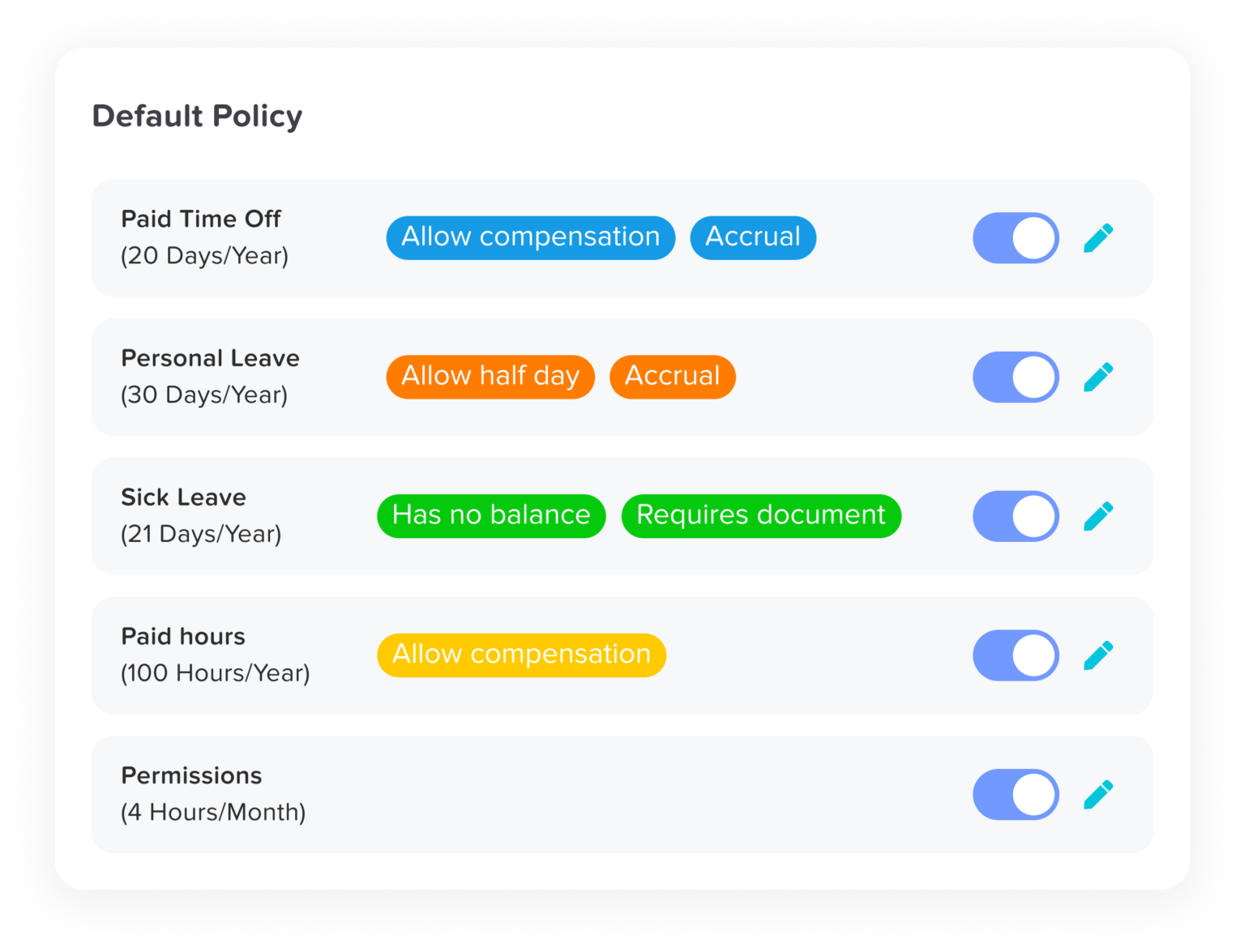
Beyond FMLA and sick leave mandates, employers often offer:
Leave policies must be applied consistently and documented clearly. Failure to honor promised leave or accruals can lead to legal claims.