







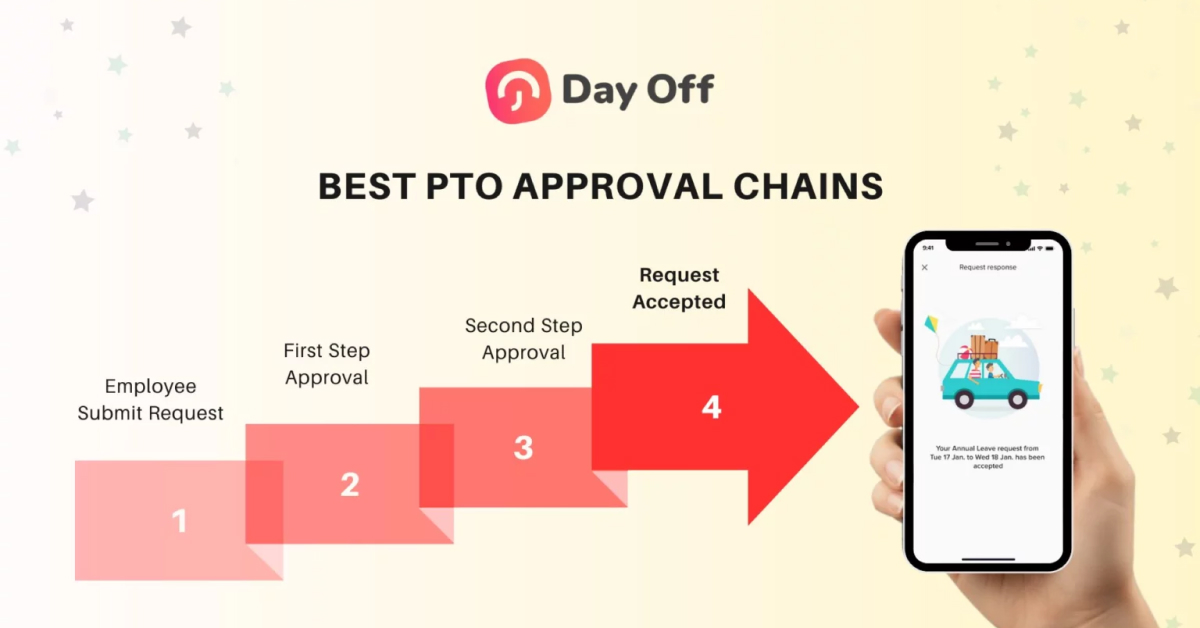
A transparent PTO approval chain is one of the most overlooked pillars of effective leave management. While many organizations focus on leave balances and policies, unclear approval workflows often create more friction than the policies themselves. Confusion around who approves what, inconsistent decisions, and delayed responses can quickly erode employee trust and disrupt operations.

This article takes a comprehensive look at PTO approval chains, explaining how to design them for clarity, fairness, scalability, and compliance in modern workplaces.
What Makes PTO Approval Transparency So Important?
Transparency in PTO approvals is not just an HR preference it directly affects employee engagement, operational continuity, and legal safety.
When approval processes lack transparency, employees may:
Hesitate to request time off
Perceive favoritism or bias
Escalate disputes to HR unnecessarily
Experience burnout due to unused leave
From an organizational perspective, unclear workflows lead to:
Approval bottlenecks
Staffing gaps
Payroll inconsistencies
Compliance exposure
A transparent approval chain ensures that decisions are predictable, traceable, and fair.
Core Objectives of a Well Designed PTO Approval Chain
An effective PTO approval workflow should achieve the following:
Clarity: Everyone knows who approves and why
Consistency: Similar requests are treated the same
Speed: Approvals don’t stall productivity
Compliance: Rules are enforced automatically
Accountability: Decisions are recorded and auditable
Any approval chain that fails one of these objectives will eventually cause friction.
Expanded Key Components of Strong PTO Approval Chains
Defined Approval Authority by Leave Type
Not all leave should follow the same path. For example:
Vacation or PTO → Manager approval
Sick leave → Auto-approve
Unpaid leave → Manager + HR approval
Extended leave → Manager + Department Head
Separating approval logic by leave type prevents unnecessary delays while maintaining control where needed.
Delegation and Backup Approvers
Approval chains should never depend on a single person. When managers are unavailable, backup approvers or temporary delegates should automatically step in.
This prevents:
Approval stagnation
Unplanned absences
Escalation overload for HR
Delegation ensures continuity without manual intervention.
Balance and Policy Validation Before Approval
A transparent system validates requests before they reach managers by checking:
Available balances
Negative balance rules
Notice period requirements
Overlap with holidays or weekends
Pre-validation prevents avoidable rejections and reduces manager workload.
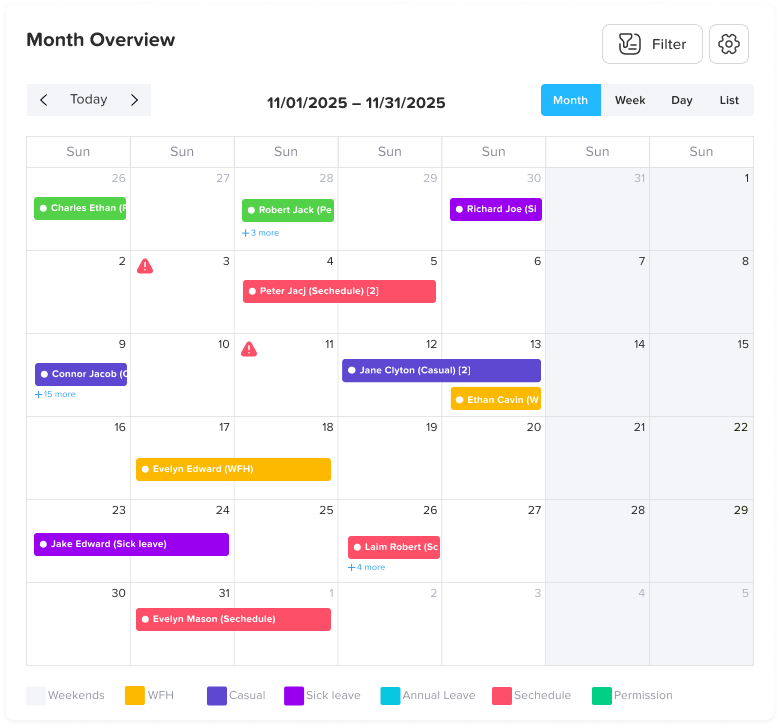
Visibility Into Team Availability
Approvers should see:
Who else is on leave
Critical role overlaps
Team capacity indicators
This context allows managers to make informed, defensible decisions instead of reactive ones.
Advanced PTO Approval Models for Growing Organizations
Conditional Approval Logic
Approval paths change automatically based on conditions such as:
Leave duration
Employee role or seniority
Peak business periods
This approach balances flexibility with governance.
Exception Based Approvals
Instead of reviewing every request, managers only review exceptions such as:
Requests exceeding thresholds
Policy violations
High impact dates
This model dramatically reduces approval volume while maintaining transparency.
Centralized vs Decentralized Approval
Centralized: HR controls approvals for consistency and compliance
Decentralized: Managers approve within defined policy boundaries
Many organizations adopt a hybrid approach, centralizing rules while decentralizing decisions.
Metrics That Measure PTO Approval Effectiveness
To continuously improve transparency, HR teams should track:
Average approval time
Approval vs rejection ratios
Escalation frequency
Policy exception rates
Overlapping leave conflicts
These metrics reveal bottlenecks, training gaps, and policy misalignment.
Common PTO Approval Challenges and How to Solve Them
Inconsistent Manager Decisions
Solution:
Standardize approval criteria
Use automated rules
Provide manager guidelines
Approval Delays During Peak Periods
Solution:
Define blackout periods
Require early notice
Add additional approval layers temporarily
Disputes Over Rejections
Solution:
Require rejection reasons
Keep decision logs
Provide appeal workflows
Transparency in rejection is just as important as approval.
Compliance and Legal Considerations
Approval chains help enforce:
Mandatory rest periods
Statutory leave entitlements
Accrual and carryover rules
Fair application of unpaid leave
Proper documentation and audit trails are essential in regions with strict labor regulations.
The Role of Technology in Scaling Transparent Approvals
Manual approvals do not scale. Modern leave management systems provide:
Rule based workflows
Multi level approvals
Auto approvals
Full decision history
Platforms like Day Off enable organizations to design approval chains that are both flexible and enforceable, supporting remote, hybrid, and global teams without adding administrative burden.
FAQ
What is a PTO approval chain?
A PTO approval chain is the defined sequence of people or roles responsible for reviewing and approving employee time off requests. It outlines who approves a request, in what order, and under which conditions, ensuring consistent and transparent leave decisions across the organization.
Why is a clear PTO approval process important?
A clear approval process prevents confusion, delays, and inconsistent decisions. It helps employees understand how requests are handled, enables managers to plan team capacity effectively, and ensures HR policies are applied fairly and compliantly.
How many approval levels should a PTO request have?
The ideal number of approval levels depends on company size and risk. Small teams often use single level approvals, while larger organizations benefit from multi level or conditional approvals. The goal is to balance control with speed, avoiding unnecessary complexity.
Can PTO requests be auto approved?
Yes. Auto approval is commonly used for low risk requests such as short absences, leave types without balance limits, or employees with sufficient PTO. Auto approval improves efficiency while still enforcing company policies through predefined rules.
How do PTO approval chains improve transparency?
Approval chains improve transparency by clearly showing who reviews each request, how long approvals take, and why decisions are made. When employees can track request status and see documented outcomes, trust in the process increases.
Should HR approve all PTO requests?
Not necessarily. HR typically defines policies and oversees compliance, while managers handle operational approvals. HR involvement is usually required for special cases such as unpaid leave, extended absences, or policy exceptions.
How do PTO approval chains support legal compliance?
Approval chains enforce policy rules, ensure proper documentation, and maintain audit trails for every decision. This helps organizations comply with labor laws, statutory leave requirements, and internal policies while protecting against disputes.
How can companies avoid favoritism in PTO approvals?
Favoritism is reduced by using standardized approval rules, role based workflows, and automated policy enforcement. When decisions are guided by transparent criteria rather than individual discretion, approvals become more consistent and fair.
What information should managers see before approving PTO?
Managers should have visibility into available leave balances, overlapping team absences, critical business dates, and policy constraints. This context allows informed decisions that balance employee needs with operational requirements.
How do remote and global teams manage PTO approvals effectively?
Remote and global teams benefit from automated approval workflows that account for time zones, regional holidays, and local labor laws. Centralized systems ensure consistent policies while allowing flexible, location aware approvals.
Can employees appeal a rejected PTO request?
Yes. Transparent PTO processes often include an appeal or reconsideration workflow. Requiring managers to provide rejection reasons helps employees understand decisions and reduces conflict.
How does leave management software improve PTO approval chains?
Leave management software automates approvals, enforces rules, tracks decision history, and provides real time visibility for employees, managers, and HR. This eliminates manual errors and ensures scalable, transparent workflows.
What are common mistakes in PTO approval chains?
Common mistakes include unclear approval ownership, inconsistent rules across teams, lack of escalation paths, and manual tracking. These issues often lead to delays, disputes, and compliance risks.
How often should PTO approval workflows be reviewed?
Approval workflows should be reviewed at least annually or whenever there are changes to company structure, labor laws, or work models. Regular reviews ensure workflows remain fair, efficient, and legally compliant.
Conclusion
The best PTO approval chains are not defined by how many approval layers they have, but by how clearly they operate. Transparency, consistency, and accountability turn leave management from a source of conflict into a trusted process.
By designing approval chains with clear ownership, smart automation, and employee visibility, organizations can protect compliance, improve planning, and create healthier work environments where time off is respected and managed fairly.