







Non-Governmental Organizations (NGOs) are mission-driven by nature. Whether working in humanitarian response, education, environmental protection, or community development, NGOs depend heavily on the passion and commitment of their people. Staff members often go above and beyond, working long hours, navigating limited resources, and operating in emotionally demanding environments.

Leave management is more than an administrative task. It directly affects staff wellbeing, legal compliance, and organizational stability. When handled poorly, it leads to burnout, payroll errors, and compliance risks. When managed well, it supports healthier teams and stronger programs.
This article explores why leave management matters in NGOs and how digital tools like Day Off can help.
Why Holidays and Leave Matter So Much in NGOs
In many sectors, taking time off is simply part of professional life. In NGOs, however, it can feel more complicated. Staff members often feel personally invested in the mission. They may hesitate to take leave because “the work is too important” or “there is no one to cover.”
Over time, this culture can quietly create exhaustion.
NGO professionals frequently work in high-pressure settings: disaster zones, refugee camps, underserved communities, or under tight donor deadlines. The emotional weight of the work can be just as demanding as the physical workload. Without structured and encouraged leave:
Mental fatigue accumulates
Decision-making quality declines
Compassion fatigue increases
Team morale weakens
A well-managed leave system sends a powerful message: rest is not a luxury, it is necessary for sustainable impact. When organizations make leave transparent and accessible, employees are more likely to take the breaks they need, return recharged, and maintain long-term commitment to the mission.
Types of Leave Common in NGOs (In Practice)
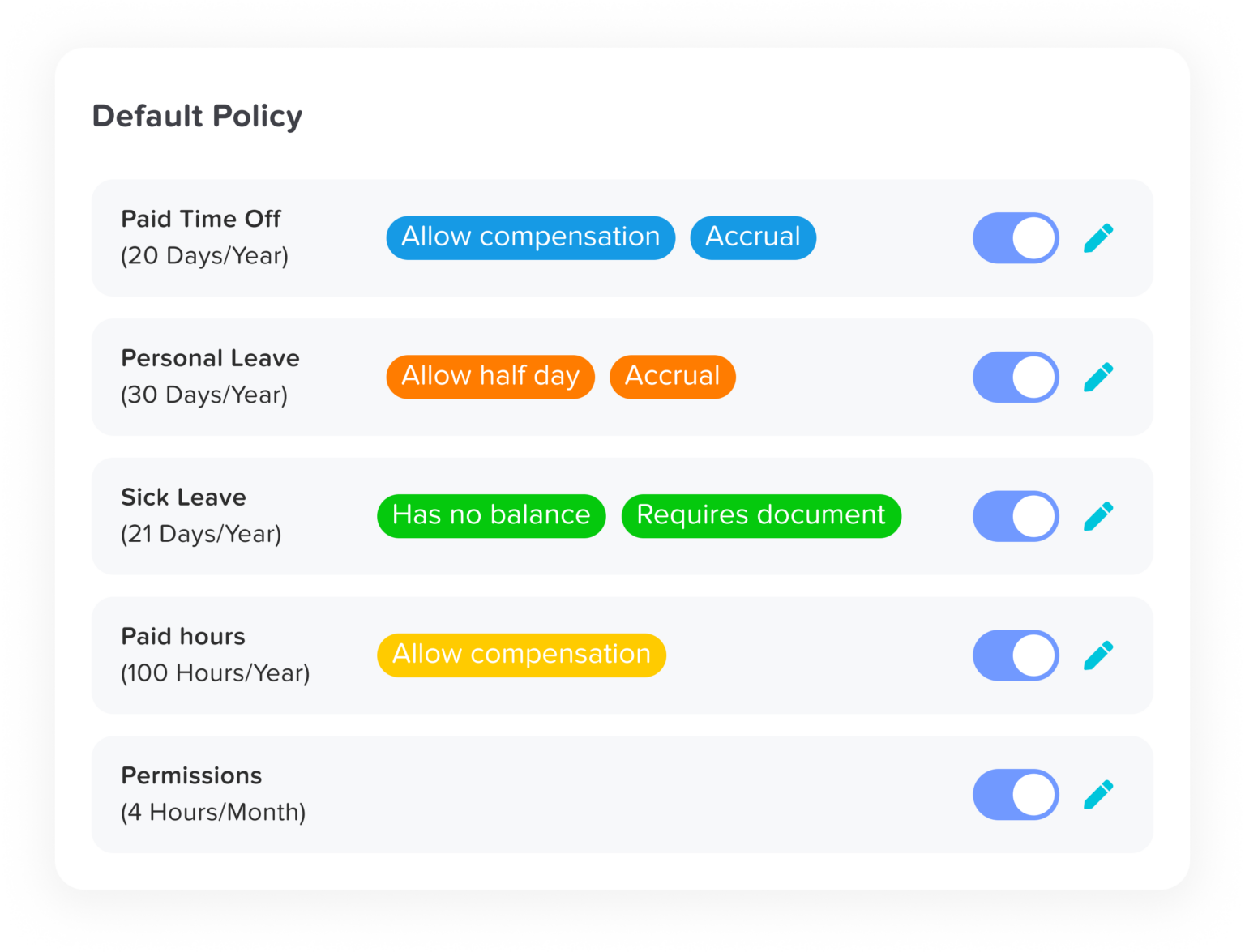
While many leave categories mirror those in the corporate world, NGOs often adapt them to fit their operational realities.
Annual Leave (Vacation)
Annual leave allows staff to disconnect fully from work. In NGOs, this can be particularly important for those who work in emotionally intense roles. Clear accrual policies, whether monthly or annually, prevent confusion and ensure fairness across teams.
Well-structured annual leave policies also prevent year-end rushes where employees attempt to use accumulated days at once, which can disrupt programming.
Public Holidays
For NGOs operating internationally, public holidays are not straightforward. A team member in Kenya follows a different holiday calendar than a colleague in Germany or Nepal. Without a centralized system, managing these differences becomes chaotic.
Organizations must respect national labor laws while also ensuring program continuity, a delicate balance that requires clarity and coordination.
Sick Leave
Illness is unpredictable, especially in field environments where healthcare access may vary. NGOs must create policies that are compassionate but structured. Clear guidelines about documentation, paid vs. unpaid sick leave, and return-to-work processes help avoid misunderstandings.
When sick leave is handled informally or inconsistently, it can lead to perceived favoritism or payroll errors.
Maternity and Paternity Leave
Family leave policies are deeply influenced by national laws, cultural expectations, and organizational values. International NGOs may need to reconcile global HR standards with local labor requirements.
Transparent parental leave policies demonstrate that the organization values family life, an important factor in attracting and retaining experienced professionals.
Compassionate Leave
NGO employees often work far from home or in cross-border contexts. When family emergencies arise, compassionate leave policies must be clear and humane. A thoughtful approach here reinforces a culture of empathy within the organization itself.
Rest & Recuperation (R&R)
This category is particularly relevant in humanitarian contexts. Staff working in hardship or high-risk locations may require structured rest breaks after a certain period of deployment. Managing R&R leave requires precision, both for staff wellbeing and operational planning.
Unique Leave Challenges NGOs Face
NGOs do not operate like traditional companies. Their structure, funding, and geographic spread introduce complexities that make leave management more demanding.
Multi-Country Operations
An NGO operating in several countries must navigate different labor laws, statutory leave requirements, and public holiday calendars. HR teams may need to manage:
Different annual leave entitlements
Varied sick leave regulations
Country-specific public holidays
Distinct payroll cycles
Tracking all this manually, often in spreadsheets, is not only time-consuming but also risky.
Donor Compliance and Audits
Unlike many private companies, NGOs are accountable to donors who fund specific projects. During audits, organizations may need to demonstrate:
Staff time allocation
Leave balances
Alignment between payroll and HR records
Incomplete or inconsistent leave documentation can raise red flags during donor reviews. Even small administrative mistakes can create unnecessary stress during reporting periods.
Remote and Field-Based Teams
Many NGO teams are decentralized. Staff may work in rural communities, remote regions, or from home. Traditional paper forms or in-office approval systems do not function effectively in these contexts.
Without a centralized system, leave requests may get lost in email threads or messaging apps, creating confusion about approvals and balances.
Lorem ipsum dolor sit amet, consectetur adipiscing elit. Ut elit tellus, luctus nec ullamcorper mattis, pulvinar dapibus leo.
Limited HR Capacity
Many NGOs intentionally maintain lean structures to maximize program funding. As a result, HR departments are often small. One HR officer may be responsible for contracts, payroll, recruitment, compliance, and leave management.
Manual leave tracking consumes time that could be better spent on strategic HR initiatives like staff development and retention.
Best Practices for Leave Management in NGOs
An effective leave system is built on clarity, transparency, fairness, and ease of use. In mission-driven organizations, where teams are often stretched thin, a well-structured approach to leave is essential.
Clear, written policies
Leave policies should be simple, documented, and easily accessible. Staff need to understand how leave accrues, how to request it, approval timelines, carryover rules, and what happens to unused leave. Clarity prevents misunderstandings and ensures consistency across teams and locations.
Transparency and visibility
Employees should be able to check their leave balances at any time without relying on HR. Managers should have a clear view of team availability before approving requests. Shared visibility reduces friction, improves planning, and strengthens accountability.
Automation to reduce risk
Manual spreadsheets and email chains are prone to errors, version conflicts, and data loss. Automated systems reduce administrative burden, improve accuracy, and help ensure compliance with labor regulations and donor requirements.
When leave management is structured, transparent, and reliable, it builds trust across the organization. Staff feel supported, managers can plan confidently, and leadership gains clearer oversight, all of which contribute to stronger, more sustainable impact.
How Day Off Supports NGOs in a Practical Way
Day Off is built to simplify leave management while remaining flexible enough to meet the realities of NGO operations, from multi-country teams to complex leave structures.
Here’s how it supports NGOs in practice:
Centralized Leave Tracking
Instead of managing multiple spreadsheets across country offices, Day Off provides one centralized digital dashboard. HR teams and managers can view leave balances and upcoming absences in real time.
This eliminates version confusion and ensures everyone works from a single, reliable source of truth.
Customizable Leave Types
NGOs rarely fit into rigid corporate categories. Day Off allows organizations to create fully customized leave types, such as:
R&R Leave
Deployment Leave
Study Leave
Donor-Specific Leave
Each leave type can have its own rules, accrual rates, and approval flows, critical for organizations operating in complex humanitarian and donor-driven environments.
Multi-Country Holiday Management
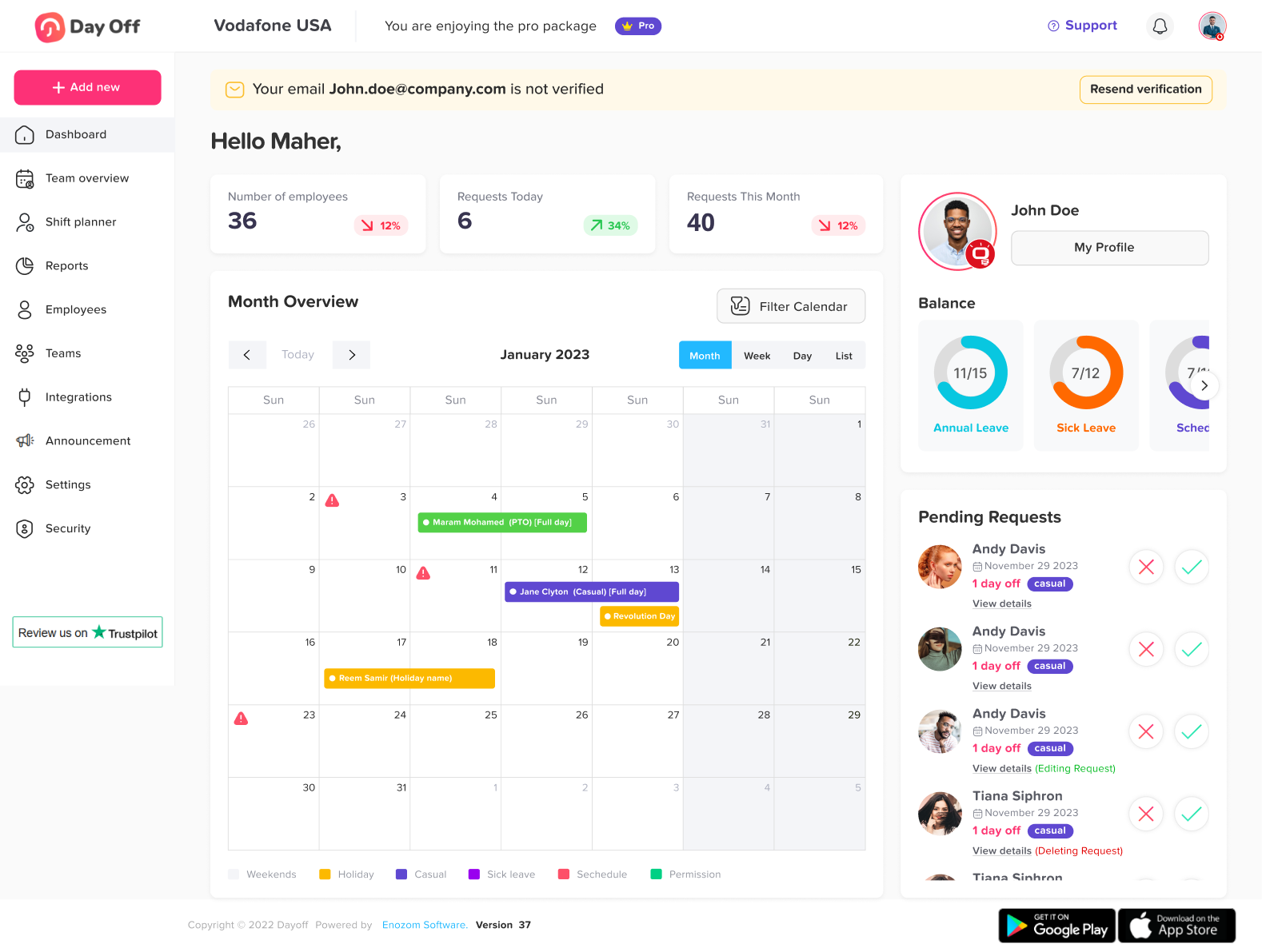
For international NGOs, Day Off supports multiple holiday calendars based on location. This ensures compliance with local labor laws while maintaining centralized oversight.
Managers no longer need to manually track public holidays across different countries.
Structured Approval Workflows
Day Off replaces informal email or messaging approvals with a formalized system:
Employees submit requests directly through the platform
Managers receive automatic notifications
Approvals or rejections are recorded instantly
This creates accountability and maintains a clear audit trail for compliance and governance purposes.
Reporting and Audit Readiness
When donors request documentation, centralized and exportable leave data becomes invaluable. Day Off enables HR teams to generate clear reports quickly, reducing administrative stress and supporting transparency.
Mobile Accessibility for Field Staff
Many NGO employees are field-based and not desk-bound. With mobile access, staff can request leave from anywhere, ensuring inclusion, efficiency, and smoother coordination across dispersed teams.
The Broader Organizational Impact
Implementing a digital leave management system goes far beyond convenience. It creates ripple effects across the entire organization.
HR teams regain time to focus on strategic initiatives instead of administrative tracking.
Managers plan workloads more effectively, with clear visibility into team availability.
Employees feel informed and confident, knowing their leave balances and requests are handled transparently.
Donor compliance becomes smoother, supported by accurate, exportable records.
Burnout risks decrease, as taking leave becomes easier and more structured.
In a sector where people are the primary asset, strengthening leave management directly strengthens mission delivery.
Frequently Asked Questions (FAQ)
How often should NGOs review their leave policies?
Leave policies should ideally be reviewed at least once per year, or whenever there are changes in labor laws, donor requirements, or operational structures. For NGOs operating across multiple countries, periodic legal reviews are especially important to ensure continued compliance with local regulations.
How can NGOs encourage staff to actually take their leave?
Encouraging leave starts with leadership behavior. When managers model healthy boundaries and take their own leave, it signals that rest is accepted and supported. Organizations can also:
Monitor unused leave balances
Set reasonable carryover limits
Proactively remind employees to schedule time off
Integrate leave planning into annual performance discussions
A culture that normalizes rest reduces burnout and improves retention.
What should NGOs consider when aligning leave with donor-funded projects?
When staff are funded by specific grants, NGOs should ensure that leave tracking aligns with project timelines and budget allocations. This may include:
Clear cost allocation rules
Transparent documentation for audits
Coordination between HR and finance teams
Accurate leave records help prevent discrepancies during donor reporting.
How do NGOs manage leave during emergency responses?
In crisis or humanitarian response settings, leave planning can be challenging. NGOs should establish:
Rotation systems for high-intensity deployments
Mandatory rest periods for hardship locations
Backup staffing plans to maintain continuity
Predefined emergency leave frameworks prevent exhaustion and operational disruption during peak response periods.
What role does leadership play in effective leave management?
Leadership sets the tone. If managers discourage leave, intentionally or unintentionally, employees may hesitate to take time off. Clear communication from leadership that wellbeing is a priority strengthens policy implementation and builds trust across teams.
Can small NGOs benefit from digital leave systems?
Yes. Even small organizations experience administrative strain when leave is tracked manually. Digital systems can:
Reduce HR workload
Minimize payroll errors
Improve transparency
Scale easily as the organization grows
For lean NGOs, automation often delivers outsized value.
How does effective leave management support staff retention?
High turnover is costly for NGOs, especially in specialized roles. When employees feel that their wellbeing is respected and their leave is managed fairly, job satisfaction increases. Over time, this contributes to stronger retention, institutional memory, and program continuity.
How should NGOs handle leave carryover and unused balances?
NGOs should define clear carryover rules that balance flexibility with operational stability. Unlimited accumulation can create financial liabilities and staffing disruptions, while overly strict policies may feel punitive. A reasonable cap, combined with proactive reminders to use leave, helps maintain both compliance and staff wellbeing.
What data protection considerations apply to digital leave systems?
Leave data often includes sensitive personal information, such as medical leave or family-related absences. NGOs should ensure that any digital system complies with relevant data protection laws (such as GDPR where applicable), uses secure access controls, and limits visibility based on role. Protecting employee privacy is essential for maintaining trust.
How can leave management support workforce planning and growth?
Accurate leave data provides valuable insights beyond time off. Over time, organizations can identify patterns such as seasonal workload peaks, frequent burnout risks, or staffing gaps. This information supports better workforce planning, budgeting, and long-term organizational growth strategies.
Conclusion
In NGOs, people are the mission. The dedication, resilience, and expertise of staff members drive every program, every response, and every community partnership. Protecting that human capacity is not optional, it is essential.
Leave management may seem administrative on the surface, but in reality, it sits at the intersection of wellbeing, compliance, operational continuity, and donor accountability. When systems are unclear or manual, the consequences ripple outward: burnout increases, errors multiply, and trust can erode. When leave is structured, transparent, and easy to manage, organizations create space for sustainability, both for their teams and their impact.
By combining clear policies with practical digital tools like Day Off, NGOs can move beyond reactive administration and toward proactive workforce stewardship. The result is not just better record-keeping, but stronger teams, healthier cultures, and a more resilient organization capable of delivering long-term mission success.