
Table of Contents
ToggleManaging employee leave used to be a small administrative task handled with spreadsheets, emails, or even paper forms. Today, however, absence management has become a critical part of workforce planning. Companies operate with distributed teams, hybrid schedules, and employees in multiple countries, so managing time off manually is no longer practical.
Modern absence management software helps organizations track employee leave, automate approvals, enforce company policies, and provide clear visibility into who is available at any given time. These platforms reduce administrative work for HR teams while giving employees a simple way to request and manage time off.

In 2026, companies are also focusing more on employee experience. Workers expect transparency around leave balances, quick approval processes, and mobile access so they can request time off anytime and from anywhere. As a result, absence management tools have evolved to become more intuitive, automated, and integrated with other workplace systems.
In this article, we will explore the top absence management software solutions in 2026, focusing on their features, strengths, and ideal use cases.
Day Off: The Best Absence Management Software in 2026

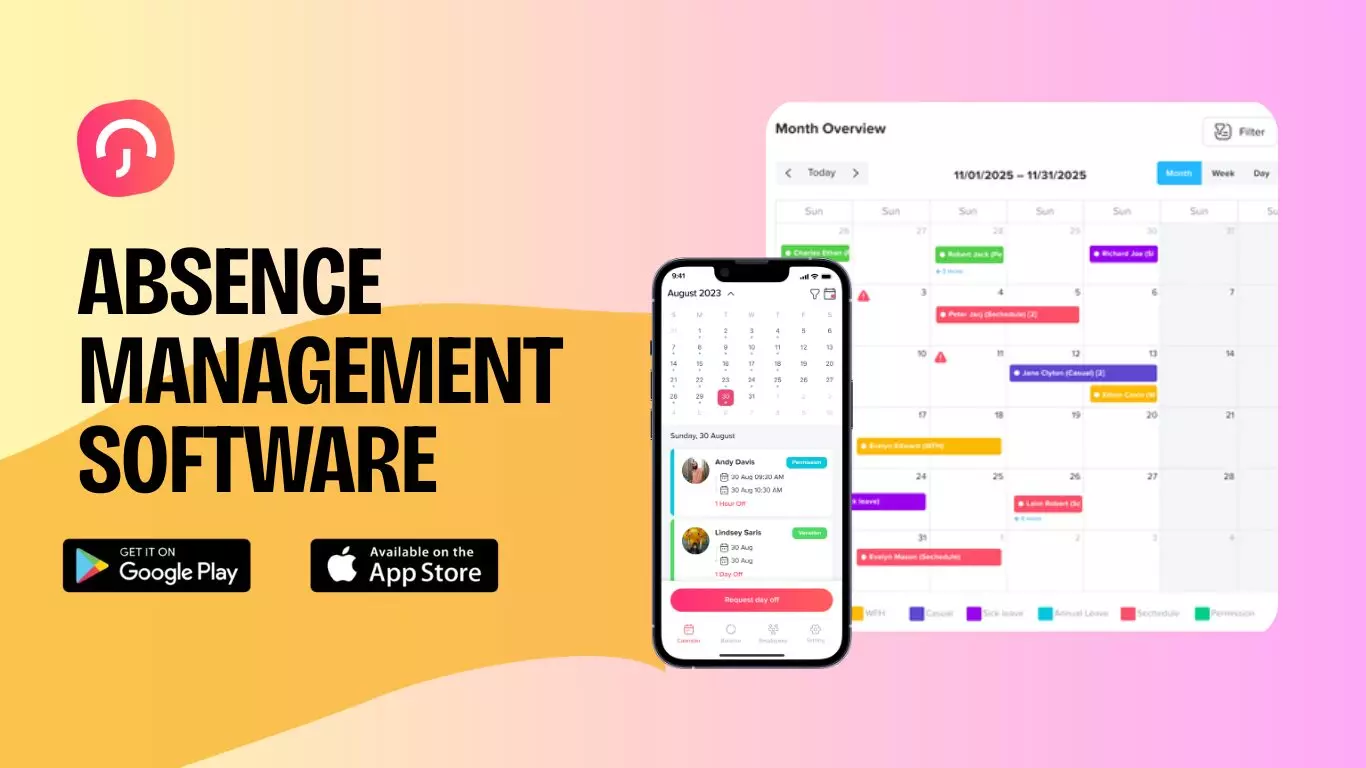
Day Off has quickly grown into one of the most trusted leave management platforms for modern businesses. Unlike many traditional HR systems that bundle absence tracking with dozens of other features, Day Off focuses specifically on making leave management simple, efficient, and user-friendly.
Because of this focused approach, companies are able to adopt the platform quickly and see immediate improvements in how they manage employee absences.
One of the main reasons Day Off stands out is its balance between simplicity and capability. Employees can request time off in seconds, managers can review requests instantly, and HR teams gain complete visibility into leave policies and balances. This combination of ease of use and powerful functionality makes Day Off one of the most effective absence management solutions available today.
Simple Leave Requests for Employees
One of the biggest frustrations employees face with traditional HR systems is the complexity of submitting a simple leave request. In many companies, employees still have to send emails, fill out forms, or wait for manual approvals that take days.
Day Off removes this friction by providing an extremely straightforward request process.
Employees simply select the type of leave they want to take, choose the dates, and submit the request. The platform immediately shows their remaining leave balance and confirms whether the request fits within company policy.
Because everything is visible and transparent, employees feel more confident when submitting requests. They know exactly how many days they have available and whether their request is likely to be approved.
This simplicity significantly improves the employee experience while also reducing unnecessary HR communication.
Faster and Smarter Approval Workflows
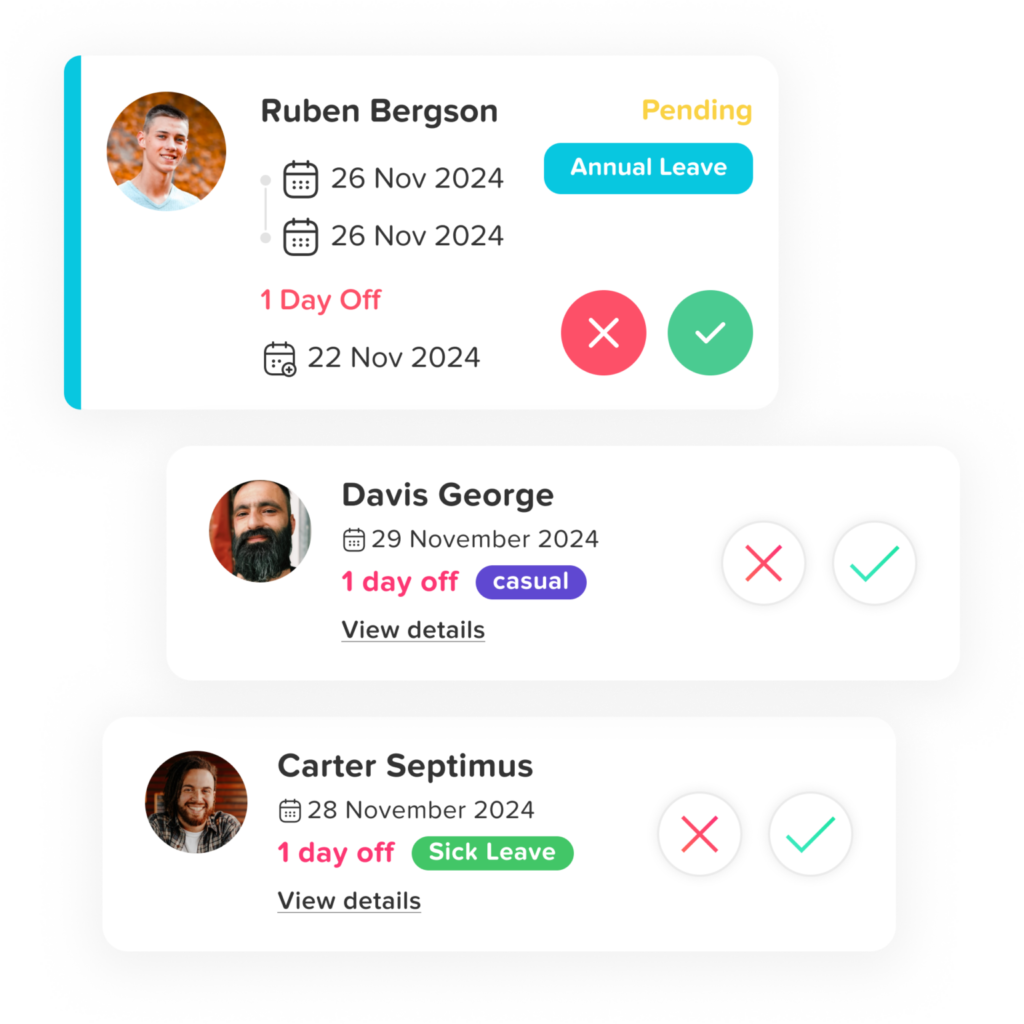
Managers often struggle with leave approvals when requests come through different channels such as email, chat messages, or spreadsheets. It becomes difficult to track which requests have been approved and which are still pending.
Day Off solves this problem through automated approval workflows.
Whenever an employee submits a leave request, the manager receives an instant notification. The manager can then review all the necessary details in one place, including the employee’s leave balance and any overlapping requests from other team members.
This visibility allows managers to make quick and informed decisions. They can approve or reject requests with a single click, and the employee is immediately notified of the outcome.
The result is a much faster approval process that keeps teams organized and avoids delays.
Real-Time Leave Balance Transparency
Another common issue in many organizations is the lack of visibility around leave balances. Employees often have to ask HR how many vacation days they have left, which creates unnecessary work for HR teams.
Day Off eliminates this problem by providing real-time leave balance tracking.
Employees can log into the platform at any time to see how many days they have remaining for each leave category. The system automatically updates balances whenever leave is taken or approved.
Because everything is updated automatically, HR teams no longer need to manually calculate balances or respond to frequent employee inquiries.
This transparency encourages employees to plan their time off more responsibly and helps maintain fairness across the organization.
Shared Calendar for Team Visibility

One of the biggest challenges with employee leave is maintaining visibility across teams. If multiple employees request time off at the same time, it can create staffing shortages or disrupt project timelines.
Day Off provides a shared team calendar that makes it easy to see who is away and when.
Employees can quickly check the calendar before submitting a request to avoid scheduling conflicts with colleagues. Managers can also view upcoming absences across their teams and ensure that there is always enough coverage.
This feature helps teams coordinate better and maintain productivity even when multiple employees take leave.
Flexible Leave Policies for Every Organization
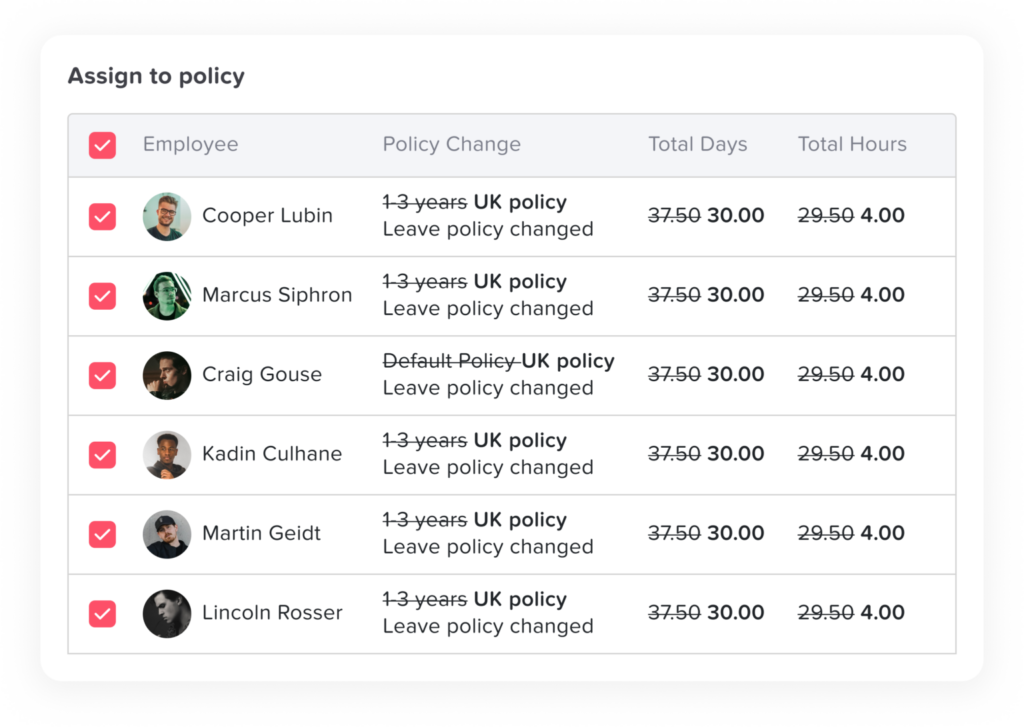
Every company has different leave policies depending on its size, industry, and location. Some organizations offer unlimited paid time off, while others follow structured accrual systems.
Day Off allows HR teams to customize leave policies to match their specific requirements.
Organizations can create multiple leave types such as:
Vacation leave
Sick leave
Maternity and paternity leave
Personal leave
Remote work days
Compensatory time off
HR administrators can also configure rules for accruals, carryovers, and approval hierarchies.
This flexibility ensures that the platform works for companies with simple policies as well as those with more complex leave structures.
Mobile Access for Modern Teams
Workplaces today are more flexible than ever. Many employees work remotely, travel frequently, or operate in hybrid environments.
To support this reality, Day Off provides mobile apps for both iOS and Android.
Through the mobile app, employees can request leave, check their balances, and view the team calendar from anywhere. Managers can also approve requests directly from their phones, ensuring that the process remains efficient even when they are away from their desks.
Mobile accessibility makes the platform particularly valuable for companies with distributed teams.

Powerful Reporting for HR Teams
In addition to managing daily leave requests, HR leaders need data to understand absence patterns across the organization.
Day Off includes reporting tools that help HR teams analyze trends such as:
Which departments take the most leave
Seasonal patterns in vacation usage
Remaining leave balances across teams
Compliance with company policies
These insights help organizations plan staffing levels more effectively and identify potential issues such as employee burnout or excessive absenteeism.
Why Day Off Is the Top Choice
Many HR platforms offer absence tracking as just one feature within a larger system. Day Off takes a different approach by focusing specifically on making leave management as smooth and efficient as possible.
Its clean design, automation capabilities, mobile accessibility, and flexible policy management make it the most practical and user-friendly solution available in 2026.
For organizations looking for a modern absence management tool that employees actually enjoy using, Day Off stands out as the best option.
Factorial HR
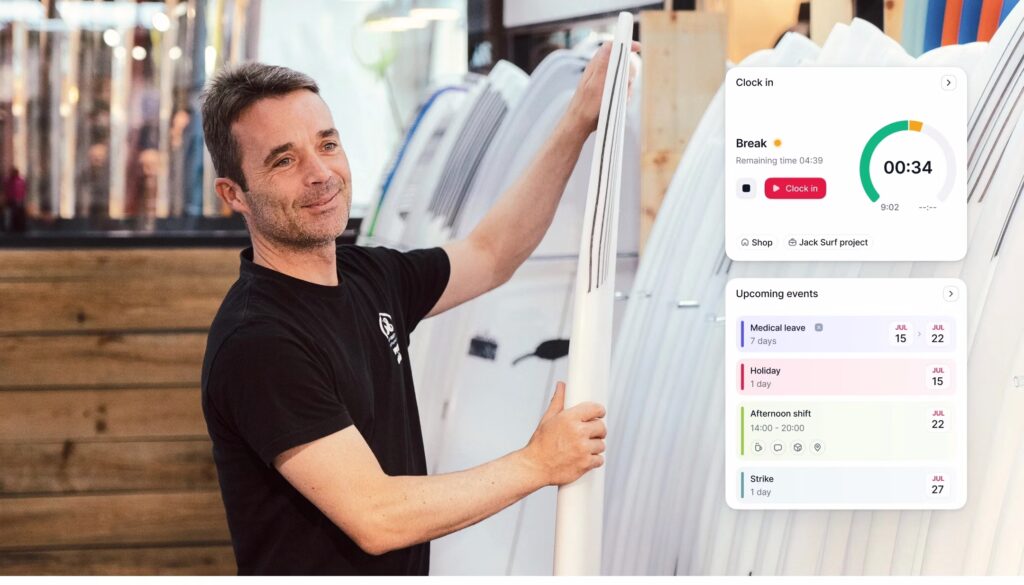
Factorial HR is a modern human resources platform designed primarily for small and mid-sized businesses that want to automate HR processes without relying on complex enterprise software. While the platform includes a variety of HR tools such as document management, employee records, and performance tracking, one of its strongest features is its time-off and absence management system.
Unlike traditional HR systems that can feel overwhelming, Factorial HR focuses on providing a clean and intuitive interface that makes it easy for both employees and HR teams to manage leave requests and track absences.
Centralized Leave Management
Factorial allows organizations to manage all employee leave requests from a single centralized dashboard. HR teams can define different types of leave such as vacation, sick leave, parental leave, or personal days and assign policies based on company rules.
Employees can submit leave requests directly through the platform, and managers receive notifications to review and approve them. This centralized structure ensures that all absence-related data is organized in one place, eliminating the confusion that often occurs when requests are scattered across emails or spreadsheets.
Automated Leave Policies
The platform also supports automated leave policies, which means HR teams can configure accrual rules, carryover limits, and eligibility requirements. Once these policies are set, the system automatically calculates leave balances and updates them as employees take time off.
This automation significantly reduces manual administrative work and ensures that leave calculations remain accurate.
Team Availability and Workforce Planning
Factorial includes a visual calendar that helps managers see who is off and when. This visibility is particularly useful for planning workloads and ensuring that teams remain adequately staffed during busy periods.
By providing a clear overview of employee availability, organizations can avoid scheduling conflicts and maintain operational efficiency.
Calamari

Calamari is a dedicated leave management and attendance tracking platform that has gained popularity among remote teams and fast-growing companies. The platform is known for its flexibility and strong integration capabilities, making it easy to connect with other workplace tools.
Calamari focuses on simplifying the process of managing time off while giving HR teams detailed insights into employee absences.
Flexible Leave Request System
Calamari allows employees to submit leave requests quickly through web or mobile interfaces. The request process is straightforward, allowing users to select the leave type, choose dates, and submit the request within seconds.
Managers receive instant notifications and can approve or reject requests directly within the platform.
This quick and transparent workflow ensures that employees receive timely responses while managers maintain control over team availability.
Integration with Workplace Tools
One of Calamari’s biggest strengths is its integration with widely used workplace platforms such as Slack, Microsoft Teams, and Google Workspace.
These integrations allow leave requests and notifications to appear directly within communication channels, which reduces friction and keeps teams informed without requiring them to constantly log into separate systems.
For companies that rely heavily on collaboration tools, this feature greatly improves workflow efficiency.
Reporting and Insights
Calamari also provides detailed reporting capabilities that help HR teams track absence trends across the organization.
Reports can show how frequently employees take leave, which departments have higher absence rates, and how leave usage changes throughout the year. These insights help HR teams identify patterns and make better workforce planning decisions.
Absence.io

Absence.io is a leave management platform designed specifically to simplify absence tracking while maintaining a clean and user-friendly interface. The software focuses on helping organizations automate their leave management processes while maintaining transparency for employees.
Because of its intuitive design, Absence.io is particularly popular among companies that want a simple yet powerful tool for managing employee absences.
Streamlined Leave Requests
The platform makes it easy for employees to submit leave requests without complicated forms or processes. Employees can quickly select their leave type and desired dates while the system automatically checks whether the request aligns with company policies.
Managers receive notifications immediately and can review requests alongside team availability information, making it easier to avoid scheduling conflicts.
Clear Leave Balance Tracking
Absence.io provides employees with clear visibility into their remaining leave balances. The system automatically calculates allowances, accruals, and carryovers based on the company’s leave policies.
Because these balances are updated in real time, employees always know how many days they have available, reducing the need for HR inquiries.
Team Calendar and Visibility
The platform also includes a shared team calendar that shows upcoming absences across departments. This calendar helps employees plan their leave more responsibly while allowing managers to maintain proper staffing levels.
By improving transparency, organizations can reduce scheduling conflicts and improve overall team coordination.
SAP SuccessFactors
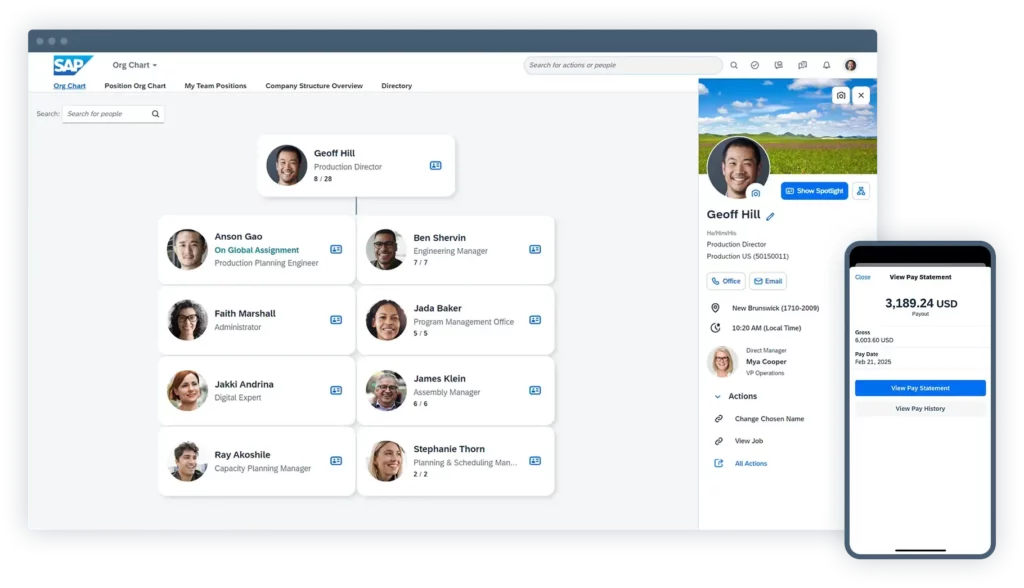
SAP SuccessFactors is a large-scale human capital management platform used by global enterprises. The platform includes a comprehensive absence management module that integrates with other HR functions such as payroll, workforce analytics, and employee lifecycle management.
Because of its advanced capabilities, SAP SuccessFactors is typically used by large organizations with complex HR requirements.
Enterprise-Level Absence Management
SuccessFactors allows companies to create highly detailed absence policies that accommodate different types of leave, accrual systems, and regional regulations.
This flexibility is essential for multinational organizations that must comply with labor laws in multiple countries.
The platform can also manage complex approval workflows involving multiple managers or departments.
Advanced Workforce Analytics
One of the key advantages of SAP SuccessFactors is its advanced analytics capabilities.
HR teams can analyze absence data alongside other workforce metrics such as employee engagement, productivity, and retention rates. This level of insight allows organizations to identify patterns and develop strategies to improve employee wellbeing and operational efficiency.
Global Compliance Support
For large enterprises operating internationally, compliance with local labor laws is a major challenge.
SuccessFactors helps organizations ensure that their leave policies align with regional regulations, reducing the risk of legal issues or policy violations.
While the system offers powerful capabilities, it typically requires significant implementation resources and is best suited for large organizations rather than small businesses.
| Software | Best For | Key Features | Mobile App | Integrations | Ease of Use |
|---|---|---|---|---|---|
| Day Off | Small to mid-sized teams and growing companies | Simple leave requests, automated approvals, real-time leave balances, team calendar, customizable leave policies, reporting tools | iOS & Android | Slack, Microsoft Teams, calendar integrations | ★★★★★ |
| Factorial HR | SMBs needing HR + leave management | Centralized leave dashboard, automated leave policies, document management, employee records | iOS & Android | Payroll systems, HR tools | ★★★★☆ |
| Calamari | Remote and distributed teams | Leave requests, Slack and Teams integrations, attendance tracking, absence reports | iOS & Android | Slack, Microsoft Teams, Google Workspace | ★★★★☆ |
| Absence.io | Companies wanting simple absence tracking | Leave balance tracking, team calendar, approval workflows, customizable policies | iOS & Android | HR and calendar integrations | ★★★★☆ |
| SAP SuccessFactors | Large enterprises | Advanced absence management, global compliance, workforce analytics, enterprise HR integration | Yes | Enterprise HR systems | ★★★☆☆ |
Frequently Asked Questions (FAQ)
What is absence management software?
Absence management software is a system that helps organizations track and manage employee time off, such as vacation days, sick leave, and other types of absences. It replaces manual methods like spreadsheets or email requests with automated workflows and centralized records.
Why do companies use absence management software?
Companies use absence management software to simplify leave tracking, reduce HR administrative work, and ensure accurate records of employee absences. It also helps managers maintain proper team coverage and avoid scheduling conflicts.
What types of leave can absence management software track?
Most platforms can track multiple types of leave, including vacation leave, sick leave, maternity or paternity leave, personal days, unpaid leave, and compensatory time off.
How does absence management software improve HR efficiency?
These tools automate leave requests, approvals, and balance calculations. This reduces manual work for HR teams and ensures that leave policies are applied consistently across the organization.
What features should the best absence management software include?
The best solutions typically include an easy leave request system, automated approval workflows, real-time leave balance tracking, shared team calendars, customizable leave policies, and reporting tools.
Can employees request leave from their phones?
Yes. Most modern absence management platforms offer mobile apps or mobile-friendly interfaces that allow employees to submit leave requests, check balances, and receive notifications from anywhere.
How does absence management software help managers?
Managers can quickly review and approve leave requests while seeing who else in the team is already scheduled to be away. This helps them plan workloads and avoid situations where too many employees are absent at the same time.
Is absence management software suitable for small businesses?
Yes. Many absence management platforms are designed for small and mid-sized companies and are easy to set up. They help growing teams stay organized without needing a complex HR system.
Can absence management software integrate with other HR tools?
Many platforms integrate with payroll systems, HR software, and collaboration tools like Slack or Microsoft Teams, allowing organizations to manage employee information and communication more efficiently.
Why is Day Off considered one of the best absence management tools?
Day Off stands out because it focuses on simplicity and usability. Employees can request leave in seconds, managers can approve requests quickly, and HR teams gain clear visibility into leave balances, policies, and team availability.
Conclusion
As workplaces continue to evolve, managing employee absences efficiently has become more important than ever. With hybrid work environments, distributed teams, and growing organizations, relying on manual processes like spreadsheets or email approvals can quickly lead to confusion, scheduling conflicts, and unnecessary administrative work.
Modern absence management software helps companies streamline the entire leave management process. From submitting leave requests and approving them quickly to tracking balances and analyzing absence trends, these tools make it easier for HR teams, managers, and employees to stay organized and informed.
Among the many solutions available in 2026, Day Off stands out as one of the best absence management platforms thanks to its simplicity, powerful features, and focus on user experience. By providing an intuitive system for managing time off, it helps organizations improve transparency, reduce HR workload, and ensure teams remain productive.