




Understanding the difference between holidays and paid time off (PTO) is essential for building fair, compliant, and easy to manage leave policies. Although these terms are often used interchangeably in casual conversation, they represent two very different types of employee leave with distinct rules, expectations, and tracking requirements in Leave Management System.

This guide breaks down what holidays and PTO really mean, how they function in modern workplaces, and why clearly separating them matters for both employers and employees.
Understanding Holidays in Leave Policies
A holiday is a specific, employer recognized day when normal business operations are reduced or paused. Holidays are typically tied to a calendar rather than to employee behavior or tenure.
How holidays are defined
Holidays are established by the employer and often align with:
National public holidays
Regional or cultural observances
Industry wide closures
Employers decide which holidays to observe and whether they are paid, unpaid, or partially paid. In many countries, labor laws influence or mandate certain public holidays, but private employers often retain flexibility in how they apply them.
How holidays are applied
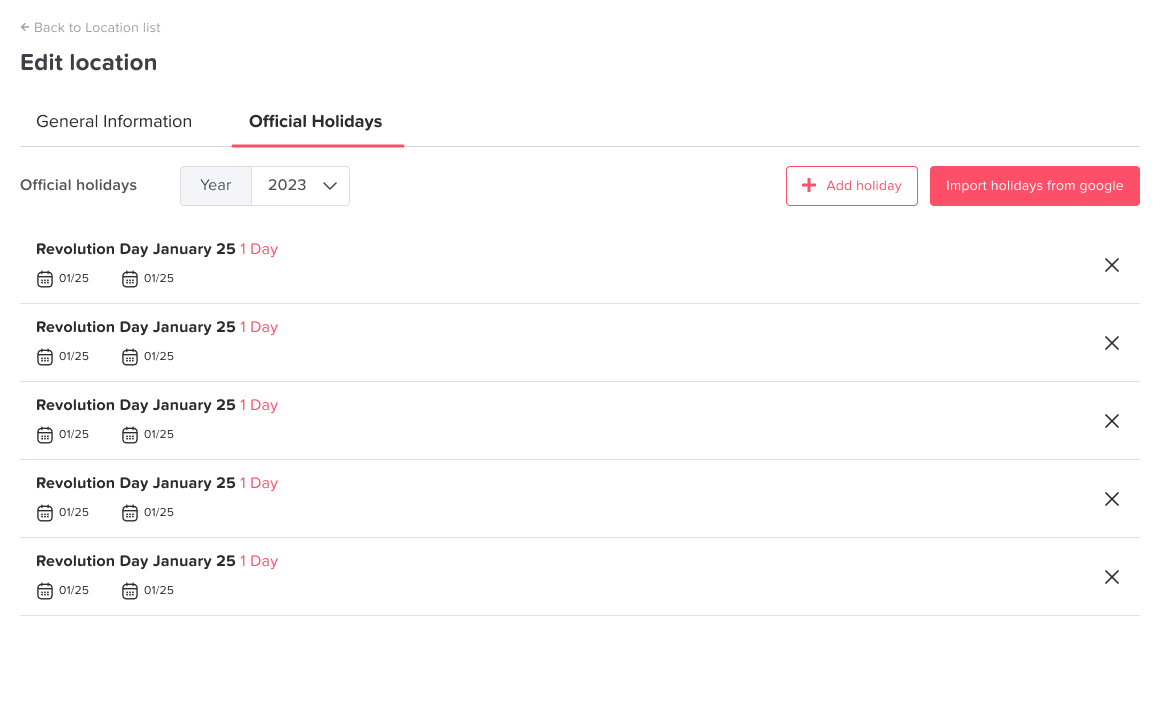
Employees do not request holidays
The time off is automatically granted
Holidays do not reduce any leave balance
If an employee does not normally work that day, no additional leave is granted
Because holidays are fixed, they are predictable and easy for teams to plan around.
Understanding PTO (Paid Time Off)
Paid Time Off (PTO) is a broad leave category that employees use at their discretion. It represents time that employees earn, accumulate, or are granted as part of their compensation package.
How PTO is earned
PTO is usually earned through:
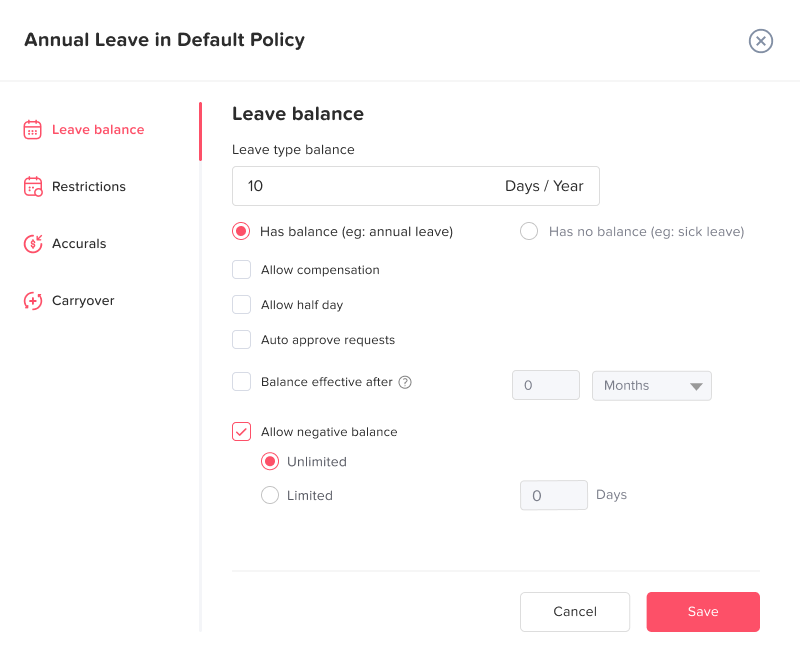
Accrual systems (monthly, Semi-monthly, Weekly or biweekly)
Lump sum grants at the beginning of the year
Tenure based increases over time
Unlike holidays, PTO is closely tied to employment duration, work hours, or contractual terms.

How PTO is used
Employees typically use PTO for:
Vacation
Personal days
Appointments or life events
Extended rest or travel
Using PTO usually requires advance notice and manager approval to ensure business continuity.
Holiday vs PTO
| Feature | Holidays | PTO |
|---|---|---|
| Set by | Employer calendar | Company policy + accrual rules |
| Employee request required | No | Yes |
| Date flexibility | Fixed | Flexible |
| Accrues over time | No | Yes |
| Carryover allowed | No | Sometimes |
| Paid out on termination | Rarely | Often (depending on law) |
| Purpose | Cultural or national observance | Personal time off |
Legal and Compliance Considerations
The distinction between holidays and PTO is especially important from a legal and compliance standpoint.
PTO as earned compensation
In many jurisdictions, accrued PTO is treated as earned wages. This means:
It cannot be taken away once earned
It may need to be paid out when employment ends
It must be tracked accurately
Holidays, on the other hand, are usually not considered earned compensation unless explicitly stated in a contract or law.
Regional variations
For global or remote teams:
Public holidays vary by country and region
PTO laws differ widely regarding accrual caps, carryover, and payouts
Separating holidays from PTO allows companies to adapt locally without rewriting core leave policies.
The Role of Floating Holidays
Floating holidays sit between traditional holidays and PTO.
What makes floating holidays different
They are employer granted, like holidays
They are employee selected, like PTO
They usually expire and do not accrue
Floating holidays are often used to:
Support cultural or religious diversity
Replace fixed holidays that may not apply to all employees
Add flexibility without increasing PTO liabilities
Holiday vs PTO in Payroll and Time Tracking
From a payroll perspective, holidays and PTO must be handled differently.
Payroll treatment
Holiday pay is often coded separately from PTO
PTO deductions affect employee balances
Overtime calculations may differ on holidays depending on local laws
Time tracking impact
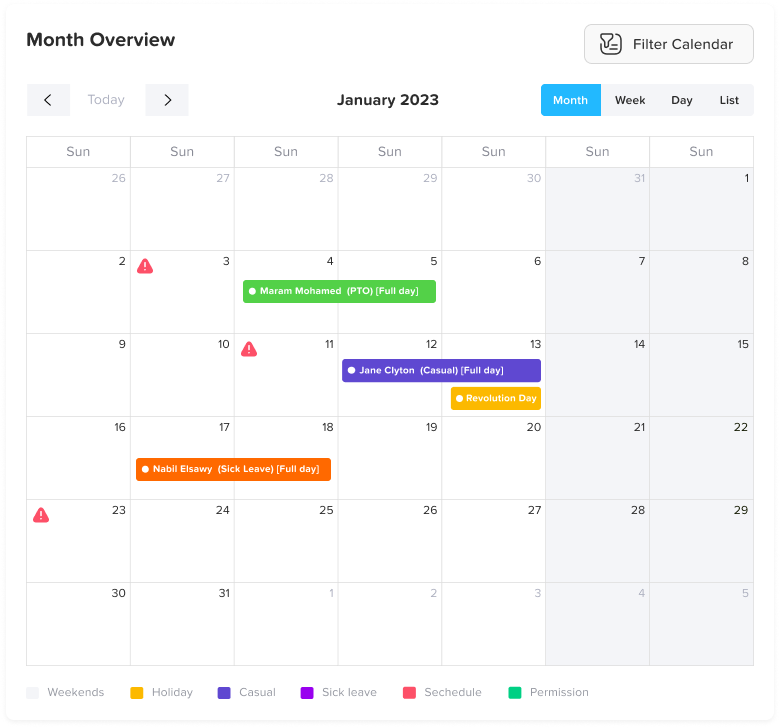
Holidays appear as non working days
PTO appears as approved absences
Mixing the two can distort utilization and absence data
Accurate classification ensures clean reporting and avoids payroll discrepancies.
Should Holidays Be Included in PTO?
Some companies use an “all in one” PTO model that includes holidays. While this simplifies policy language, it can introduce confusion.
Pros
Fewer leave categories
Simplified employee explanations
Cons
Employees use PTO on company closed days
Reduced transparency around earned time
Increased compliance risk in regulated regions
For most organizations, keeping holidays and PTO separate provides better clarity and fairness.
Employee Experience and Trust
Clear definitions around holidays and PTO directly impact employee trust.
When policies are unclear, employees may:
Worry about losing earned time
Avoid taking leave
Feel policies are applied inconsistently
Transparent leave structures encourage employees to take meaningful breaks, which supports well being and long term productivity.
Best Practices for Modern Leave Policies
To create effective, scalable leave policies:
Clearly define holidays, PTO, and floating holidays
Publish holiday calendars by location
Document PTO accrual, carryover, and payout rules
Separate leave balances in tracking systems
Review policies regularly as teams grow or expand globally
Strong documentation combined with accurate tracking prevents confusion and reduces administrative burden.
FAQ
What is the main difference between holidays and PTO?
The main difference is how the time off is granted and used. Holidays are employer defined, fixed calendar days that employees automatically receive off, while PTO is earned or granted time that employees can use flexibly for personal reasons.
Do holidays reduce an employee’s PTO balance?
No. Holidays should not reduce PTO balances. They are separate leave types and are typically applied automatically without affecting accrued or available PTO.
Is PTO considered earned wages?
In many jurisdictions, accrued PTO is treated as earned compensation. This means it may need to be paid out upon termination and cannot be taken away once earned, depending on local labor laws.
Are employers required to offer paid holidays?
In most countries, private employers are not legally required to offer paid holidays unless mandated by local labor laws or collective agreements. However, many employers choose to offer them as part of their benefits package.
Can a company include holidays inside PTO?
Some companies combine holidays and PTO into a single leave bank, but this can reduce transparency and create compliance challenges. Separating holidays from PTO is generally considered a best practice.
What are floating holidays?
Floating holidays are employer granted days that employees can choose when to use. They function like holidays but offer more flexibility and are usually separate from PTO balances.
Do holidays need to be tracked in leave management systems?
Yes. Holidays should be tracked separately from PTO to ensure accurate reporting, correct payroll calculations, and clear visibility into employee availability.
How do holidays work for global or remote teams?
Holidays are typically assigned based on the employee’s work location. Global teams often use country specific holiday calendars while maintaining a consistent PTO policy across the organization.
What happens if an employee works on a holiday?
This depends on company policy and local labor laws. Some employers offer premium pay, time off in lieu, or an alternative day off when employees work on a recognized holiday.
Why is it important to clearly define holidays and PTO in a policy?
Clear definitions prevent misunderstandings, payroll errors, and compliance risks. They also help employees understand their benefits and feel confident using their time off.
Conclusion
Holidays and PTO may both offer paid time away from work, but they serve distinct purposes within a leave policy. Holidays provide shared, predictable rest, while PTO gives employees flexibility and personal control.
Understanding and clearly communicating the difference between holidays and PTO helps organizations remain compliant, improve payroll accuracy, and build trust with employees. When handled correctly, these two leave types work together to create a balanced, fair, and sustainable time off system.