

Table of Contents
ToggleRunning a hotel means managing people around the clock. Front desk agents, housekeeping teams, kitchen staff, maintenance crews, and managers all different work schedules shifts, often across weekends and holidays. In this environment, leave tracking isn’t just an HR task, it directly affects guest satisfaction, service quality, and operational stability.
Spreadsheets and manual approvals can’t keep up with rotating schedules, peak seasons, and multi property operations. A reliable leave tracking app helps hotels plan ahead, avoid understaffing, and stay compliant with labor regulations.

This guide explores the Top 5 Leave Tracking Apps for Hotels, with deeper insights into their key features, and best practices for effective leave management in hotels.
Day Off: Flexible Leave Management for Shift Based Hotels

Day Off is a dedicated leave and PTO tracking platform available on web, iOS, and Android. It focuses specifically on leave management rather than combining multiple unrelated modules, making it clean and operationally efficient.
Key Features
Advanced Work Schedules
Fixed schedules (standard working days)
Flexible hour based schedules
Rotating weekly shifts
Break time deduction support
Hour based leave balances (ideal for hospitality)
This ensures accurate leave deduction for:
Night auditors
Split shift kitchen staff
Housekeeping teams with variable hours
Event based banquet teams
Multi Location & Multi Policy Support
Hotel groups can:
Assign different leave policies per property
Configure department specific entitlements
Manage centralized reporting with local flexibility
Blackout Period Management
Admins can block specific leave types during:
Holiday seasons
High tourism periods
Large city events
Wedding heavy months
Structured Approval Workflows
Leave requests go through 2 steps approvals.
This prevents unauthorized approvals and ensures operational oversight.
Real Time Team Calendar
Managers can:
See overlapping leave
Monitor department availability
Avoid approving too many team members at once
Reporting & Audit Logs
Track leave usage trends
Monitor accrued leave liabilities
View approval history
Maintain compliance documentation
Pros
Strong support for rotating shifts
Highly intuitive mobile interface
Focused solely on leave management
Flexible policy configuration
Suitable for multi property hotel groups
Cons
Does not include built in shift scheduling engine
Payroll integration may require external systems
Best for: Hotels that want powerful leave tracking without adding operational complexity.
Connecteam: Operations Focused Workforce Platform
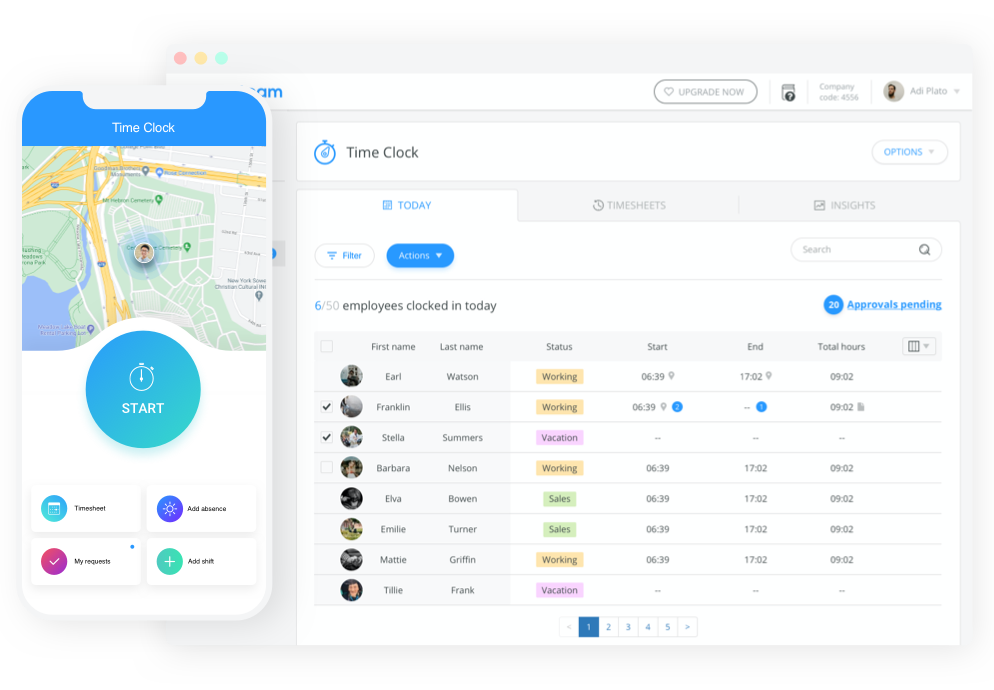
Connecteam combines leave management with scheduling, communication, and workforce tools.
Key Features
Leave request and approval system
Integrated shift scheduling
Time clock with GPS tracking
In app messaging and announcements
Task management tools
Digital document storage
Hospitality Specific Benefits
Leave + Shift Conflict Detection
Managers can immediately see:
Which shifts are impacted by leave
Where coverage gaps exist
How to reassign shifts quickly
Mobile Workforce Control
Frontline hotel employees can:
Submit leave
Check schedules
Receive instant updates
Communicate with teams
Department Task Coordination
Housekeeping managers can combine:
Room cleaning tasks
Shift assignments
Leave visibility
Pros
All in one operational platform
Excellent for deskless workers
Strong communication features
Useful for large frontline teams
Cons
Broader than necessary if you only need leave tracking
Costs increase with additional modules
Configuration may take time
Best for: Hotels seeking centralized workforce management beyond just leave tracking.
Factorial: HR Structure & Compliance Automation
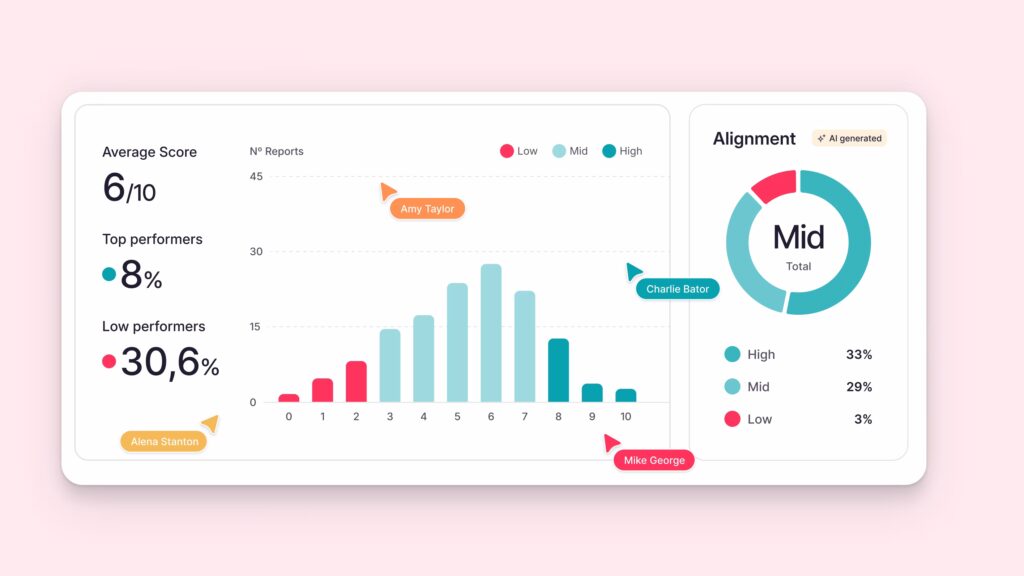
Factorial provides leave management inside a broader HR framework.
Key Features
Automated accrual calculations
Custom leave types
Carry forward rules
Leave expiration tracking
Compliance documentation storage
Detailed HR analytics
Employee self service portal
Hospitality Applications
Accrual Automation
Hotels often have:
Different entitlements for full time vs part time
Seniority based benefits
Country specific regulations
Factorial automates complex calculations and reduces manual HR workload.
Compliance Tracking
Stores contracts, policy documents, and employee records useful for:
Labor inspections
Legal audits
Multi country hotel groups
HR Analytics
HR managers can monitor:
Department leave trends
Average leave per employee
Absenteeism rates
Accrued leave liability
Pros
Strong compliance support
Structured HR system
Detailed analytics
Suitable for scaling hotel chains
Cons
Less operationally focused on shift coverage
May require integration with scheduling software
Could be excessive for small independent hotels
Best for: Growing hospitality groups prioritizing HR compliance and structured processes.
Zoho People: Customizable Leave & HR Ecosystem

Zoho People offers flexible leave configuration within a broader business ecosystem.
Key Features
Fully customizable leave types
Accrual & carry forward automation
Multi level approval workflows
Integration with Zoho Payroll & Books
Cloud based employee portal
Reporting dashboards
Hospitality Use Cases
Policy Customization
Hotels can configure:
Compensatory leave after large events
Unpaid leave categories
Department specific rules
Probation based eligibility
Financial Integration
When integrated with Zoho Payroll:
Unpaid leave reflects in salary calculations
Leave balances sync with payroll reports
Financial forecasting improves
Pros
Highly configurable
Strong integration ecosystem
Scalable for multi property operations
Cloud based access
Cons
Setup complexity
Requires careful configuration
Can feel feature heavy for small teams
Best for: Hotels that prioritize customization and financial integration.
Deputy: Scheduling First Workforce Control

Deputy focuses primarily on workforce scheduling, with leave integrated into shift planning.
Key Features
Leave requests linked directly to roster
Shift swap functionality
Demand based scheduling
Overtime tracking
Labor compliance alerts
Real time notifications
Hospitality Strengths
Roster Centric Leave Management
When leave is requested:
The system identifies impacted shifts
Suggests replacements
Allows shift swaps
Maintains staffing balance
Labor Cost Control
Deputy helps hotels:
Monitor overtime
Analyze wage costs per shift
Avoid compliance violations
Pros
Excellent scheduling engine
Strong for complex rosters
Helps control labor costs
Real time shift adjustments
Cons
Leave policy customization is secondary
HR documentation tools are limited
May require separate HR system
Best for: Large hotels and resorts where shift coverage is the primary challenge.
Best Practices for Leave Tracking in Hotels
Best practices for managing leave effectively in hospitality environments.
Align Leave Planning with Occupancy Forecasts
Hotels should never manage leave in isolation from demand forecasting. Occupancy trends, seasonal tourism, conferences, weddings, and public holidays directly impact staffing needs.
Before approving extended leave, managers should review:
Forecasted occupancy rates
Event bookings
Historical peak periods
This prevents approving too many team members during high demand windows and reduces emergency overtime costs.
Set Department Specific Coverage Rules
Every hotel department operates differently. Front desk coverage requirements are not the same as housekeeping or kitchen staffing.
Establish minimum staffing thresholds for each department. Leave should only be approved if operational coverage remains intact. This structured approach prevents last minute scrambling for replacements.
Implement Blackout Periods Strategically
Blackout periods are essential in hospitality. These are predefined dates when vacation leave is restricted to protect service levels.
Common blackout periods include:
Major holidays
Peak tourism seasons
City wide events
Conference heavy months
Blackout policies should be communicated clearly to avoid frustration and misunderstandings.

Use Shift Based Leave Calculations
Hotels often operate with rotating shifts, split shifts, night shifts, and flexible hour arrangements. Leave tracking systems must reflect actual scheduled hours.
A shift based calculation method ensures:
Accurate leave deductions
Fair balance tracking
Fewer payroll discrepancies
Without shift alignment, errors become frequent and employee trust declines.
Automate Leave Accrual and Balances
Manual accrual tracking leads to disputes and compliance risks. Automating leave calculations ensures accuracy and consistency.
Automation helps manage:
Monthly accruals
Seniority based entitlements
Carry forward limits
Prorated balances for new hires
This reduces HR workload and minimizes calculation errors.
Establish Clear Approval Workflows
Unclear approval processes create delays and confusion. Hotels should define:
Who approves leave requests
Approval timelines
Escalation paths
For example, a structured workflow might include supervisor approval followed by department head confirmation before HR finalizes the request.
Clarity builds trust and speeds up decisions.
FAQ
What is the best leave tracking app for hotels?
The best leave tracking app for hotels depends on your operational needs. Hotels with rotating shifts and multi location policies often benefit from flexible tools like Day Off. Large properties with complex scheduling may prefer Deputy. If HR compliance and automation are the priority, Factorial or Zoho People may be more suitable. The right choice depends on whether your main challenge is scheduling, compliance, customization, or simplicity.
Why can’t hotels rely on spreadsheets for leave tracking?
Spreadsheets don’t provide real-time visibility, automated accruals, or shift-based calculations. In hotels, where staffing directly affects guest experience, manual tracking increases the risk of:
Overlapping absences
Payroll miscalculations
Understaffed shifts
Compliance issues
A dedicated leave tracking system reduces these risks significantly.
How do leave tracking apps handle rotating shifts?
Modern leave tracking apps allow administrators to configure:
Fixed work schedules
Flexible hour based schedules
Rotating weekly shifts
Split shifts with break deductions
This ensures leave balances are deducted accurately based on scheduled working hours rather than generic day counts.
What are blackout periods, and why are they important for hotels?
A blackout period is a predefined timeframe during which certain leave types (usually vacation leave) cannot be requested.
Hotels use blackout periods during:
National holidays
High tourism seasons
Major city events
Conference periods
This helps maintain minimum staffing levels and protect service quality.
Can leave tracking apps support multi property hotel groups?
Yes. Many modern systems allow:
Different leave policies per location
Separate approval workflows
Centralized reporting across properties
This is essential for hotel chains operating in multiple cities or countries with different labor regulations.
How do leave tracking systems improve guest satisfaction?
Proper leave management ensures:
Adequate front desk coverage
Timely room cleaning
Sufficient kitchen and restaurant staffing
Quick maintenance response
When staffing levels remain stable, guest experience remains consistent.
Do leave tracking apps integrate with payroll systems?
Some platforms integrate directly with payroll software, while others require third party integration. Payroll integration helps:
Deduct unpaid leave automatically
Calculate accurate salaries
Reduce manual payroll errors
Hotels should verify compatibility before implementation.
How can hotels prevent staff burnout using leave tracking software?
Hotels can use reporting features to:
Monitor employees who haven’t taken leave
Identify departments with high overtime
Analyze absence trends
Encouraging balanced leave usage reduces burnout and improves long term retention.
Is mobile access important for hotel leave management?
Yes. Most hotel staff do not work at desks. A mobile friendly leave system allows employees to:
Submit requests easily
Check leave balances anytime
Receive instant approval notifications
Mobile accessibility speeds up communication and reduces administrative delays.
What features should hotels prioritize when choosing a leave tracking app?
Hotels should look for:
Shift based leave calculations
Department level visibility
Blackout period management
Multi location support
Clear approval workflows
Real time reporting
Mobile access
These features ensure operational stability while supporting employee flexibility.
Conclusion
Leave tracking in hotels is an operational discipline, not just an HR function. Poor leave tracking leads to service disruption, staff burnout, and increased costs.
By aligning leave planning with occupancy forecasts, enforcing structured approval processes, automating accruals, and maintaining transparency, hotels can protect both guest satisfaction and employee well being.
When supported by the right leave tracking system and strong management practices, hotels can maintain service excellence while offering staff the flexibility they deserve.