







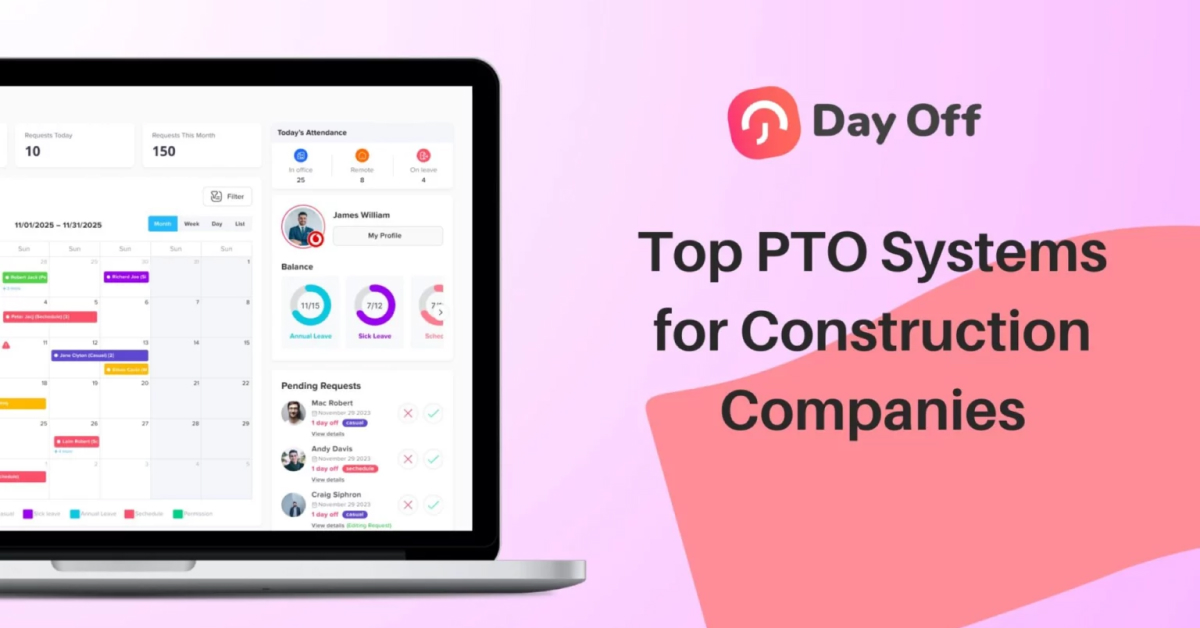
Managing PTO in construction isn’t just an administrative task, it directly impacts schedules, costs, and project delivery.
Unlike office environments where work can often be redistributed, construction roles are highly specialized. You can’t easily replace a certified crane operator, licensed electrician, or site supervisor without affecting timelines. Add multiple job sites and subcontractors into the equation, and even a single absence can create delays.
That’s why visibility matters. Construction companies need PTO systems that provide clear oversight across projects, crews, and contractors, not just a basic leave tracker.
Below is a comparison of the best PTO management tools for construction companies managing multiple contractors and job sites.

Day Off: Best Dedicated PTO Tool for Construction Crews
Day Off focuses on one thing: managing leave clearly and efficiently.
That might sound basic, but in construction, simplicity is often what’s missing.
Many construction companies don’t need a complex HR system with recruiting pipelines and performance tracking. What they need is:
A clean overview of who’s on-site and who’s off
A way to prevent overlapping absences in critical roles
Mobile access for supervisors
Automated accruals that reduce payroll disputes
Day Off does exactly that without unnecessary features getting in the way.
Real-World Advantages on Job Sites
Clear Visibility Across All Projects
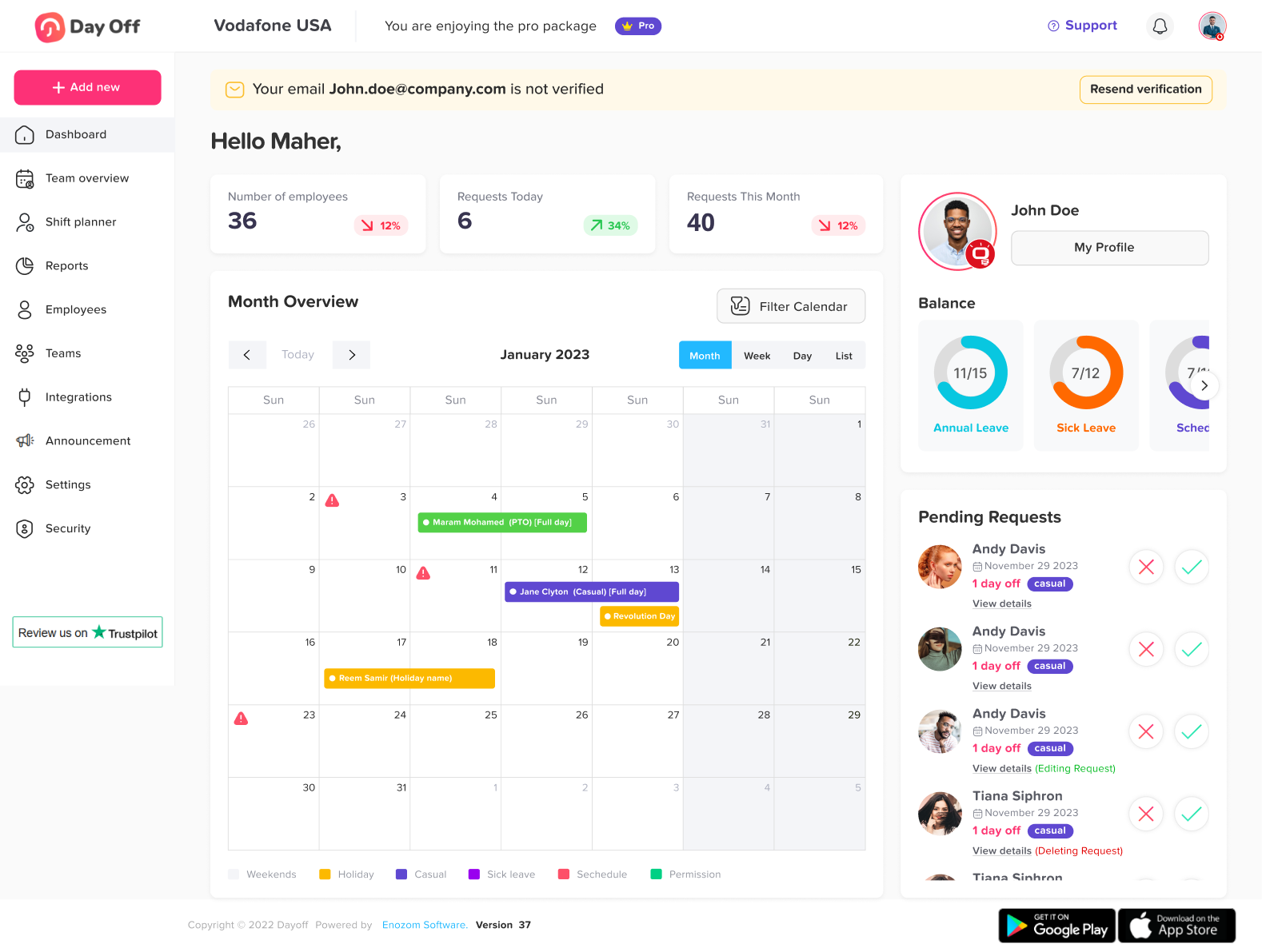
In construction, the real problem isn’t PTO, it’s fragmented tracking.
When each project manager handles time off separately using spreadsheets, text messages, or notebooks, leadership loses visibility across job sites. The result? Last-minute staffing gaps, delayed pours, and costly schedule changes.
With Day Off:
All leave requests appear in one centralized calendar
Leadership can view absences across all projects instantly
Overlapping requests are flagged before they become problems
Workforce planning becomes proactive instead of reactive
This is critical when certain roles can’t be easily replaced, licensed electricians, crane operators, site safety supervisors, heavy equipment operators, and specialty trades.
Instead of discovering a labor shortage the morning concrete is scheduled to pour, you see conflicts weeks in advance and adjust accordingly.
The impact: fewer delays, better crew coordination, and stronger project predictability.
Mobile Access for Field Supervisors
Construction leaders don’t sit behind desks. They’re walking sites, managing subcontractors, handling inspections, and coordinating deliveries.
Day Off allows field supervisors to:
Approve or reject PTO requests directly from their phone
Check leave balances instantly
View team availability while standing on-site
Make staffing decisions in real time
There’s no waiting to “get back to the office.” No email back-and-forth. No paperwork bottlenecks.
The impact: faster decisions, smoother operations, and less administrative friction.


Custom Leave Policies for Complex Workforces
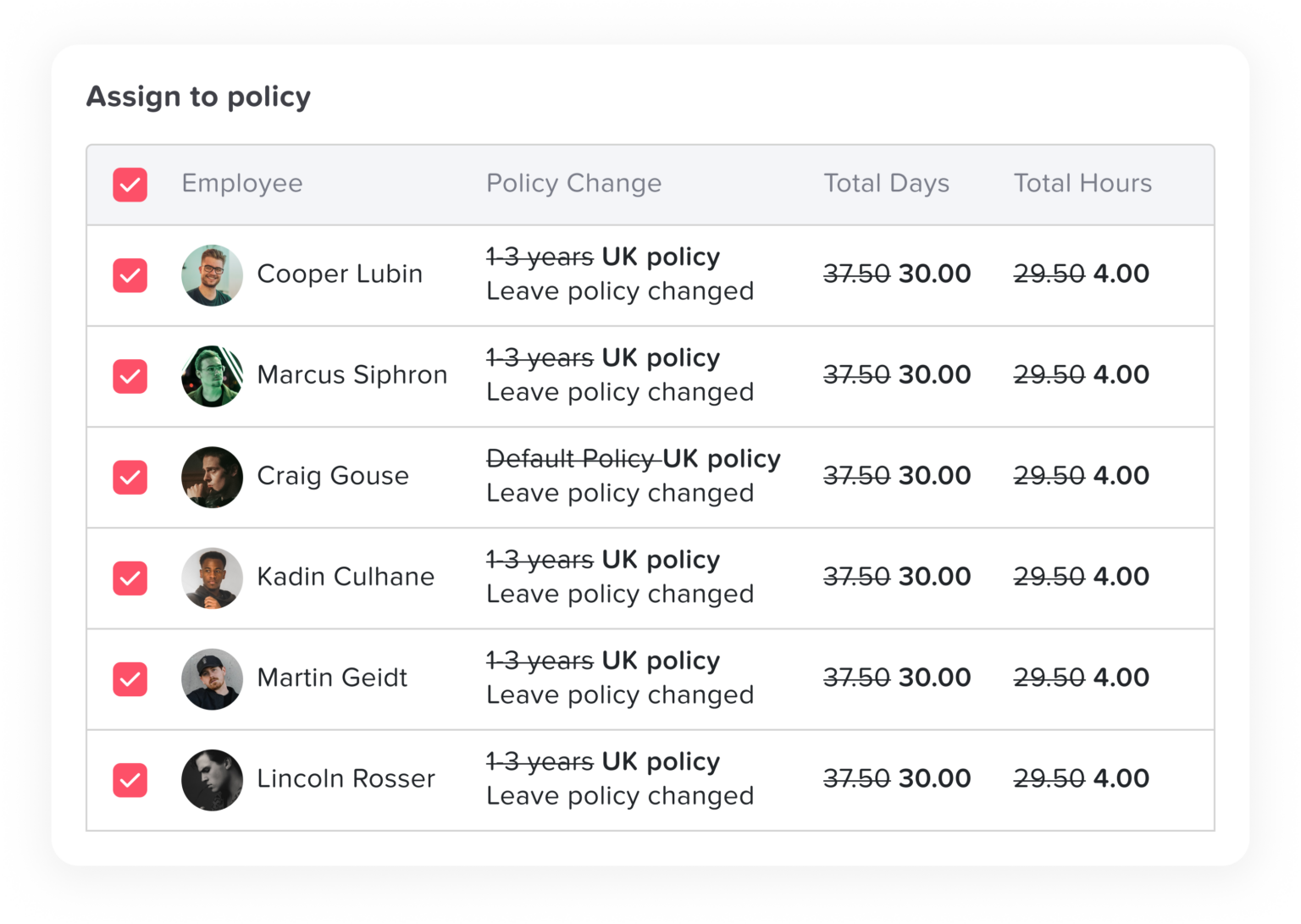
Construction companies rarely operate with a single type of employee.
You may have:
Union workers with defined accrual structures
Seasonal laborers
Project-based hires
Subcontractors
Office staff under different policies
Trying to manage all of this manually leads to errors, and payroll mistakes in construction can become expensive quickly.
Day Off allows:
Custom leave types
Automated accrual rules
Policy-based permissions
Accurate tracking across different worker categories
This reduces manual calculations and minimizes compliance and payroll confusion.
The impact: fewer disputes, cleaner payroll processing, and improved workforce trust.
Fast, Low-Disruption Implementation
Many construction firms hesitate to adopt new software because they fear operational disruption.
Day Off is intentionally lightweight. It doesn’t require months of setup, technical onboarding, or complicated integrations.
Most companies can:
Set up teams quickly
Configure leave policies easily
Begin tracking immediately
Transition away from spreadsheets without downtime
It works alongside your operations instead of interrupting them.
The impact: immediate structure without operational slowdown.
Where It May Not Be the Right Fit
If your company is searching for a fully bundled HR ecosystem, payroll, recruiting, benefits, performance management, Day Off is intentionally not designed to be that.
It focuses specifically on leave and PTO management.
For construction firms that want a clean, dedicated solution without unnecessary complexity, that focus is often a strength.
BambooHR: Best for Construction Firms Formalizing HR Operations
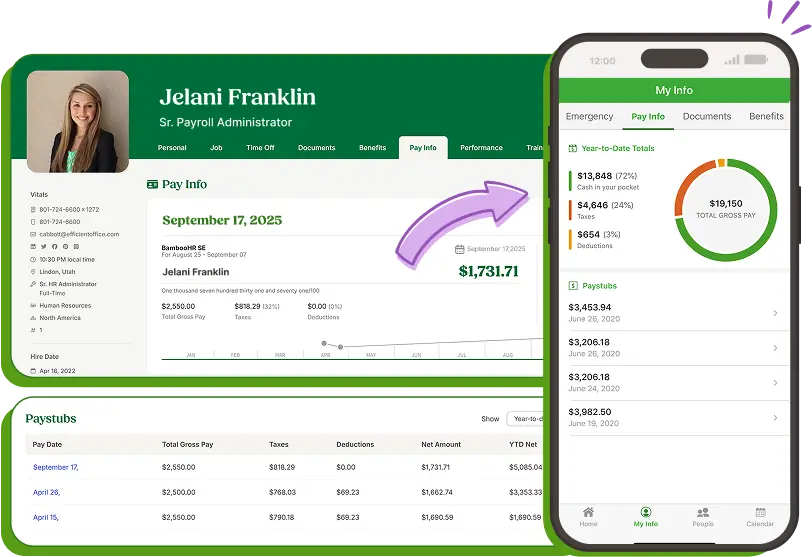
BambooHR is a full-service HR platform that includes PTO tracking as part of a broader employee management system.
For construction companies moving from informal, spreadsheet-based processes to a structured HR department, BambooHR often represents a major operational upgrade. It’s less about “just tracking time off” and more about centralizing employee infrastructure.
As firms grow past 50–75 employees, manual processes start to create risk, compliance gaps, missing documentation, inconsistent policies, and reporting blind spots. BambooHR addresses those challenges.
How It Helps Construction Firms
Centralized Employee Records
Construction companies manage far more than basic employee data. They often track:
Trade certifications
Equipment licenses
OSHA training records
Safety documentation
Expiration dates
Employment agreements
BambooHR centralizes all of this alongside PTO data in digital employee files.
This becomes especially valuable during:
Safety audits
Insurance reviews
Union checks
Compliance inspections
Instead of searching through file cabinets or disconnected systems, leadership has everything in one place.
Impact: Reduced compliance risk and stronger documentation control.
Reporting & Workforce Planning
As construction companies scale into the 75–200+ employee range, visibility becomes more complex.
BambooHR offers reporting on:
Leave trends over time
Absenteeism patterns
Department-level or role-based availability
Workforce headcount analytics
For firms bidding on long-term projects, this type of reporting supports better forecasting. Leadership can evaluate whether they have the capacity to take on additional contracts or need to hire ahead of schedule.
Impact: More informed staffing decisions and improved long-term planning.
Structured HR Processes
Growing construction firms often begin formalizing:
Onboarding workflows
Performance review cycles
Digital document management
Standardized HR policies
BambooHR supports those initiatives, helping companies transition from “project-based management” to structured workforce administration.
This is particularly helpful for companies expanding into multiple regions or preparing for significant growth.
Where It Can Feel Heavy
For smaller contractors, BambooHR may feel like more system than necessary.
Implementation can take time
Costs are higher than dedicated PTO tools
PTO is not the core focus, it’s one feature within a broader HR suite
If your primary need is simply tracking leave across job sites, a specialized solution may be more efficient.
Best For:
Growing construction companies
Firms formalizing HR departments
Organizations needing centralized employee records
Contractors preparing for scale
Gusto: Best for Payroll-Focused Contractors
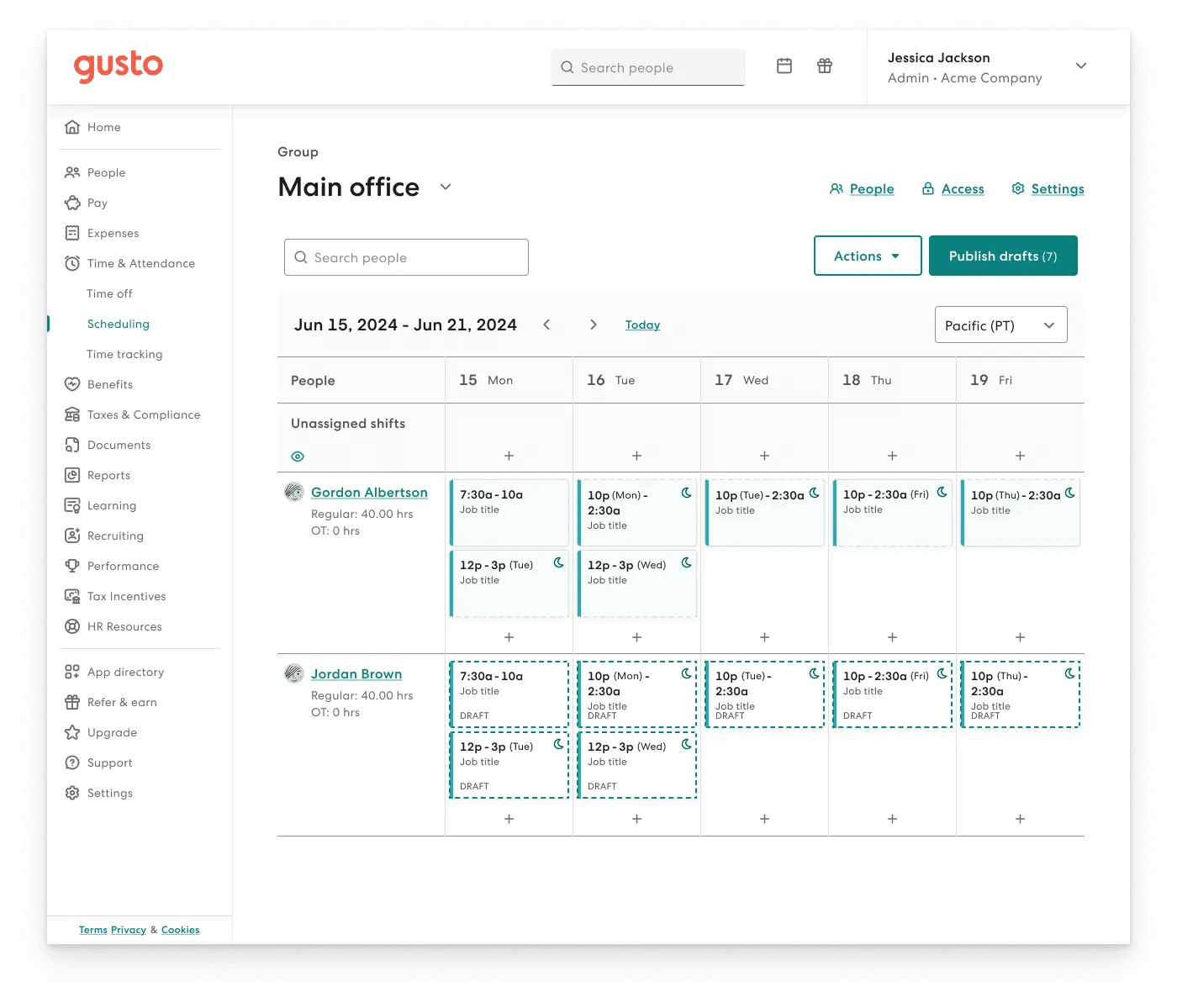
Gusto is primarily a payroll platform with PTO tracking integrated directly into payroll processing.
For small construction companies, the tight connection between leave tracking and payroll can simplify administration and reduce errors, especially where wage calculations are complex.
Rather than managing PTO in one system and payroll in another, Gusto combines both.
Where It Makes Sense in Construction
Payroll Accuracy
Construction payroll is rarely straightforward. Companies often deal with:
Overtime rules
Prevailing wage requirements
Seasonal staffing fluctuations
Variable pay rates by role or project
Multi-rate pay structures
When PTO automatically syncs into payroll calculations, it reduces manual data entry and payroll mistakes.
This is particularly helpful for small teams without dedicated payroll administrators.
Impact: Cleaner payroll runs and fewer costly corrections.
Compliance Support (US-Based Firms)
For U.S. contractors, labor law compliance can be complicated.
Gusto helps manage:
Tax filings
Labor compliance
Benefits administration
Worker classification documentation
While it isn’t construction-specific, it provides a compliance backbone that many small firms lack.
Limitations for Construction Environments
Gusto is payroll-first, not field-first.
Limited visibility across multiple job sites
Not built around project-based workforce scheduling
Fewer tools for managing complex field operations
Less flexibility for multi-layered contractor structures
It works best when payroll integration is your primary concern, not project coordination.
Best For:
Small U.S.-based contractors
Teams under 50 employees
Firms prioritizing payroll accuracy over project scheduling
Companies consolidating payroll and PTO into one system
Rippling: Best for Large Multi-State Construction Enterprises
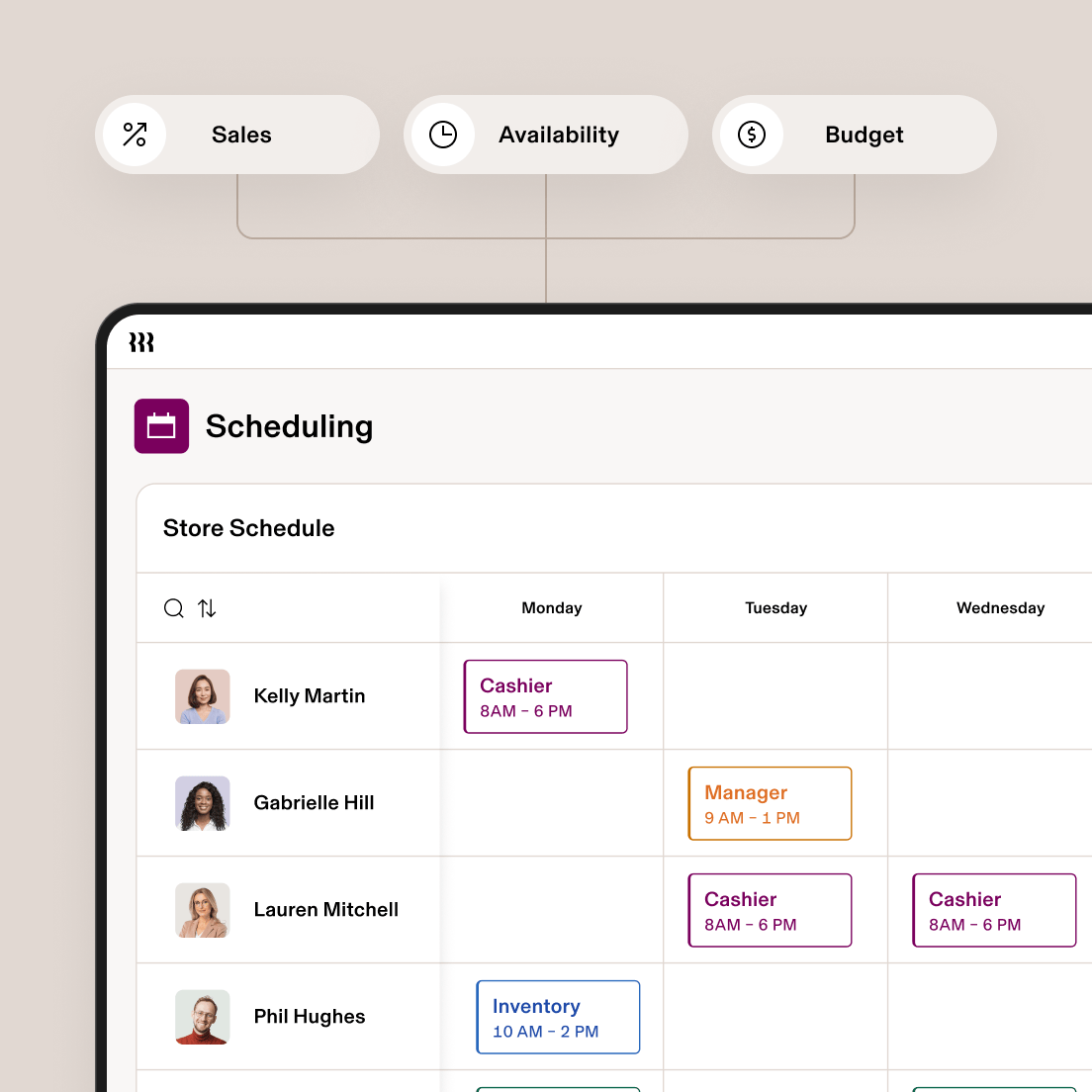
Rippling is a workforce management platform combining HR, payroll, compliance, and even IT systems into a centralized infrastructure.
For large construction enterprises operating across multiple states, or even internationally, complexity increases dramatically. Rippling is designed to manage that scale.
Why Large Construction Firms Choose It
Multi-State Compliance Management
Construction firms working across state lines must handle:
Different labor laws
Varying overtime rules
State-specific tax requirements
Regional compliance mandates
Rippling helps centralize these differences in one system, reducing administrative burden.
For enterprise operators, this reduces regulatory exposure and streamlines reporting.
Enterprise-Level Reporting & Visibility
At scale, executives need high-level oversight across regions and divisions.
Rippling offers insights into:
Workforce capacity
Leave trends across regions
Department-level utilization
Compliance risks
This level of analytics supports executive planning, acquisitions, and long-term expansion strategies.
Scalability for Large Workforces
Rippling is built for organizations managing hundreds or thousands of workers.
As construction companies grow through mergers, acquisitions, or expansion into new states, the platform can scale accordingly.
Trade-Offs
For small or mid-sized contractors, Rippling may be excessive.
Higher cost
More complex onboarding
Requires structured internal processes
Overbuilt for smaller field teams
It’s a strong enterprise solution, but not lightweight.
Best For:
Enterprise construction firms
Multi-state operators
Companies centralizing HR, payroll, and compliance
Large organizations requiring executive-level reporting
Procore: Best for Project-Centered Workforce Coordination
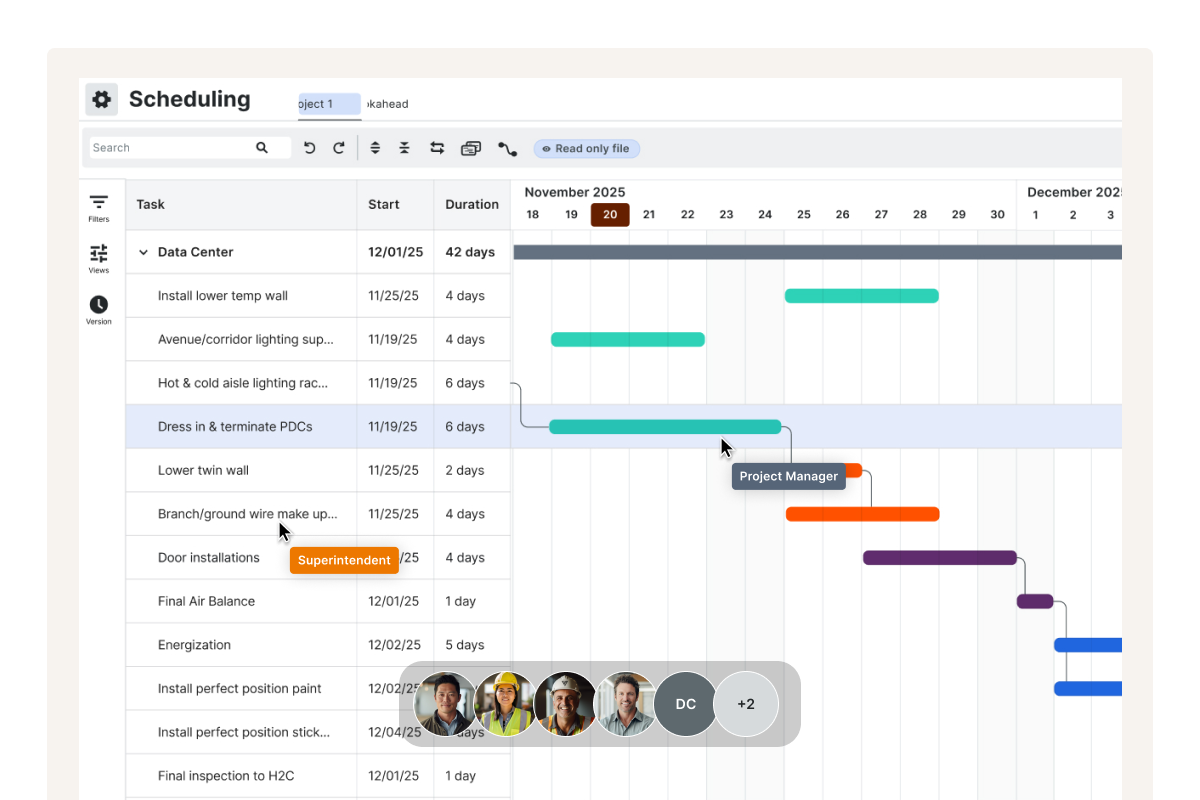
Procore is not a PTO management platform. It is construction project management software designed to coordinate job site execution.
However, in the context of workforce planning and PTO, it plays a critical supporting role.
Construction doesn’t operate in isolation, workforce availability directly impacts project timelines.
Why It Matters in PTO Discussions
Construction projects operate on tight, interdependent schedules.
If one trade falls behind:
Concrete gets delayed
Steel installation shifts
Inspections are rescheduled
Downstream contractors lose productivity
When PTO systems align or integrate with project scheduling tools like Procore, companies gain stronger coordination between workforce planning and project execution.
This enables firms to:
Adjust timelines proactively
Reassign crews before delays occur
Communicate changes to subcontractors earlier
Protect milestone deadlines
In complex builds, that coordination can protect margins.
Important Clarification
Procore does not replace a PTO management tool.
It does not track leave balances, accrual policies, or approvals.
Instead, it complements PTO software by connecting workforce availability to project schedules.
For construction firms running multiple simultaneous builds, this alignment becomes critical.
Frequently Asked Questions (FAQ)
Why is PTO management more complex in construction than in other industries?
Construction teams are project-based, role-specific, and often distributed across multiple job sites. Unlike office environments, you can’t easily redistribute highly specialized work when someone is absent.
A missed day from a crane operator, foreman, or licensed electrician can impact inspections, sequencing, and downstream trades. That’s why construction companies need visibility across projects, not just a simple leave tracker.
Tools like Day Off are especially effective here because they provide a centralized, real-time overview across all sites without unnecessary HR complexity.
Can PTO software help reduce project delays?
Yes, when used correctly.
Delays often happen not because someone takes PTO, but because the absence wasn’t visible early enough. Modern PTO systems allow leadership to:
See upcoming absences weeks in advance
Prevent overlapping requests in critical roles
Adjust crew assignments proactively
In construction, early visibility equals schedule protection. That’s one of the main reasons many contractors choose a focused solution like Day Off over spreadsheet tracking.
How do PTO tools handle union rules and accrual differences?
Most modern systems allow:
Custom leave types
Automated accrual policies
Different rules by employee group
Role-based permissions
For construction firms with union employees, seasonal workers, and office staff under separate policies, flexibility is critical.
Dedicated PTO platforms such as Day Off make it easier to configure multiple accrual structures without needing a full HR suite.
Can PTO software manage subcontractors?
It depends on the platform, many HR systems are built primarily for direct employees. However, construction firms often work with subcontractors, project-based hires, and temporary labor.
The most practical approach is using PTO software for internal workforce visibility, while maintaining project alignment with tools like Procore. A lightweight system like Day Off works well for companies that need clear internal visibility without overcomplicating contractor structures.
Is PTO software worth it for small construction companies?
Yes, especially for companies replacing spreadsheets, even teams with 15–40 employees benefit from:
Clear absence tracking
Reduced payroll disputes
Faster approvals
Prevention of overlapping time off
Small contractors often don’t need enterprise HR platforms. A focused tool like Day Off provides structure without unnecessary cost or complexity.
How does PTO software impact payroll accuracy?
When PTO balances and approvals are clearly tracked, payroll errors decrease significantly.
Construction payroll is complex due to:
Overtime
Prevailing wages
Multi-rate pay
Seasonal staffing
Accurate leave tracking reduces manual adjustments and prevents disputes. For payroll-heavy priorities, systems like Gusto integrate PTO directly into payroll processing. For visibility-first priorities, platforms like Day Off help ensure the right data flows into payroll correctly.
What should construction companies look for in PTO software?
Key features include:
Centralized calendar view across job sites
Mobile access for field supervisors
Customizable leave policies
Automated accrual tracking
Easy implementation
Clear reporting
Construction companies rarely need recruiting or performance management bundled in. The best solution depends on whether you prioritize simplicity (like Day Off) or full HR centralization (like BambooHR or Rippling).
Conclusion
In construction, PTO management directly impacts project timelines, labor costs, and operational stability. The challenge isn’t time off itself, it’s visibility across crews, job sites, and specialized roles.
For companies that need clear oversight without a complex HR system, Day Off offers a focused, field-friendly solution. Larger firms may benefit from broader platforms like BambooHR or Rippling, and payroll-first teams may prefer Gusto.
But for contractors prioritizing simplicity, speed, and multi-site visibility, a dedicated PTO tool often delivers the most immediate value.
