







Employee time off is healthy, necessary, and expected. People need vacations, sick days, personal time, family leave, and rest. But for managers and HR teams, every approved absence also creates an important question: who will cover the work while that employee is away?
That is where leave coverage planning becomes essential.
Leave coverage planning is the process of preparing for employee absences before they affect deadlines, customer service, team workloads, or daily operations. It helps companies make sure that when someone is on PTO, sick leave, unpaid leave, or any other type of approved time off, the team still knows what needs to be done, who is responsible, and what can wait.

Without a clear coverage plan, even one absence can create confusion. Tasks may be delayed, managers may spend extra time asking questions, and employees may feel guilty for taking time off. With the right process, however, time off becomes easier for everyone. Employees can disconnect, managers can plan ahead, and HR can maintain accurate leave records.
In this guide, we will explain what leave coverage planning means, why it matters, and how HR teams and managers can build a better process using clear policies, shared calendars, approval workflows, and tools like Day Off.
What Is Leave Coverage Planning?
Leave coverage planning means organizing work responsibilities before, during, and after an employee’s absence. It is not only about approving a PTO request. It is about understanding the impact of that absence on the team and preparing for it in advance.
A good leave coverage plan answers questions such as:
- Who will handle urgent tasks while the employee is away?
- Which tasks should be completed before the leave starts?
- Which responsibilities can wait until the employee returns?
- Does another employee need access to files, systems, or customer details?
- Will the absence affect deadlines, meetings, shifts, or customer support?
- Does the manager need to adjust the schedule or workload?
For small teams, this can be especially important because one person may own several responsibilities. In larger companies, leave coverage planning helps avoid overlapping absences, missed approvals, and poor visibility across departments.
The goal is not to make PTO difficult. The goal is to make time off easier to manage so employees can take leave without leaving the team unprepared.
Why Leave Coverage Planning Matters
Many companies focus on tracking PTO balances and approving requests, but they forget the operational side of time off. A leave request may be valid and approved, but if no one plans for coverage, the business may still experience problems.
It Reduces Last-Minute Confusion
When coverage is not planned, managers often deal with urgent questions after the employee has already left. A client may need an update. A payroll task may be pending. A team member may not know where a document is stored. These small gaps can quickly become stressful.
A coverage plan creates clarity before the leave begins. Everyone knows what is covered, what is pending, and who to contact.
It Helps Employees Take PTO Without Guilt
Employees should not feel that taking time off creates a burden for the rest of the team. When there is no coverage process, employees may overwork before vacation, check messages while away, or avoid taking leave altogether.
A clear plan gives employees confidence that their work is handled. This supports better rest, healthier boundaries, and a more positive time-off culture.
It Protects Team Productivity
Absences are normal, but unplanned handoffs can slow productivity. Leave coverage planning helps managers distribute work fairly and avoid overloading one person. It also helps teams decide which work is urgent and which tasks can wait.
It Improves Manager Visibility
Managers need to know who is available, who is off, and how absences affect team capacity. Without visibility, they may approve overlapping leave requests or assign tasks to people who are unavailable.
A shared leave calendar and organized approval process make it easier to see upcoming absences before they create scheduling problems.
It Supports Better HR Records
HR teams need accurate leave records for payroll, reporting, compliance, and workforce planning. A structured leave process makes it easier to track approved absences, leave types, balances, and patterns over time.
Common Problems When Leave Coverage Is Not Planned
Poor leave coverage planning usually creates the same problems again and again. These issues may seem small at first, but they can affect employee experience and business performance.
Overlapping PTO Requests
Two or more employees from the same team may request time off during the same period. If the manager does not have a clear view of the team calendar, they may approve requests without realizing that coverage will be too thin.
Unclear Task Ownership
A task may be paused because no one knows who should handle it. This is common when an employee manages a specific process, client, report, or system.
Delayed Approvals
When leave requests sit unanswered, employees cannot plan confidently. Delayed approvals also make it harder to prepare coverage because the team has less time to adjust.
Too Much Work on One Person
If the same employee always covers for others, they may become overloaded. Fair coverage planning helps distribute responsibilities more evenly.
Employees Working During PTO
When coverage is missing, employees may feel pressured to answer messages or solve problems while they are supposed to be off. This weakens the value of PTO and can lead to burnout.
Poor Communication
Sometimes a leave request is approved, but the right people are not informed. The manager knows, but the team does not. HR knows, but the project owner does not. This creates unnecessary confusion.
How to Create a Strong Leave Coverage Plan
A strong leave coverage plan does not need to be complicated. The best approach is clear, repeatable, and easy for both employees and managers to follow.
Create Clear Leave Request Rules
Start by defining how employees should request time off. Your policy should explain:
- How far in advance employees should submit PTO requests
- Which leave types require approval
- Whether sick leave and emergency leave follow a different process
- Who approves requests
- What happens if multiple people request leave at the same time
- Whether half-day or partial-day leave is allowed
- How employees should prepare handoff notes before planned leave
Clear rules reduce uncertainty. Employees know what is expected, and managers can make decisions more consistently.
For example, vacation requests may require two weeks’ notice, while sick leave may be submitted as soon as possible. A long leave of absence may require more documentation and planning than a single PTO day.
The policy should be flexible enough to handle real-life situations but clear enough to prevent confusion.
Use a Shared Leave Calendar
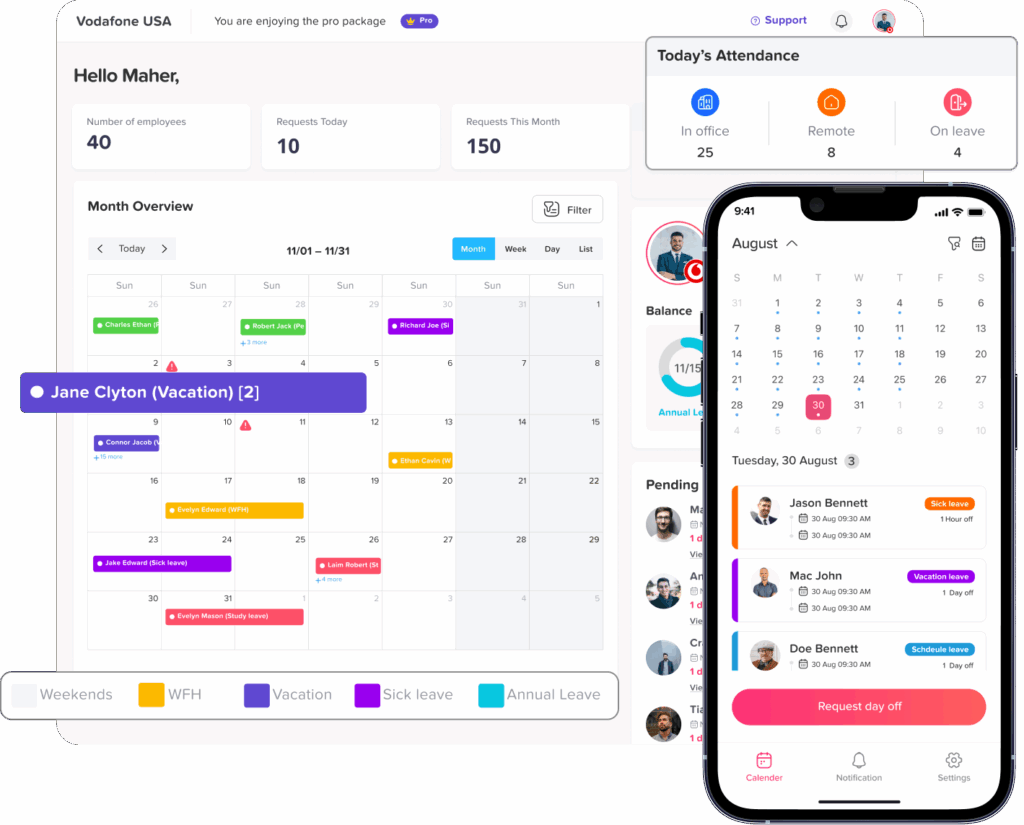
A shared leave calendar is one of the most important tools for coverage planning. It allows managers and teams to see upcoming absences in one place.
With a shared calendar, managers can quickly answer questions like:
- Who is off next week?
- Will two key employees be away at the same time?
- Are there enough people available during a busy period?
- Does a project deadline overlap with several PTO days?
- Is there a public holiday or company day off that affects availability?
This visibility helps prevent scheduling mistakes. It also helps teams plan work earlier instead of reacting at the last minute.
Day Off helps teams manage this by giving employees and managers a clear view of approved leave, team availability, and time off requests in one system.
Review Team Capacity Before Approving Leave
Approving PTO should not only depend on an employee’s available balance. Managers should also review whether the team can continue operating smoothly during the requested dates.
This does not mean managers should deny leave unnecessarily. It means they should make informed decisions.
Before approving a request, managers can check:
- How many team members are already off
- Whether the employee has critical responsibilities during that period
- Whether deadlines or launches are scheduled
- Whether another employee can cover urgent work
- Whether shifts or customer support coverage will be affected
For example, a marketing team may need extra coverage during a campaign launch. A customer support team may need enough agents available during peak hours. A finance team may need key employees present during payroll or month-end closing.
When managers have visibility before approving leave, they can avoid problems while still supporting employee time off.
Define Coverage Responsibilities Clearly
A leave coverage plan should name the person or people responsible for important work during the absence. This should be specific.
Instead of saying, “The team will handle it,” define the coverage clearly:
- Sarah will monitor urgent client emails.
- Harper will approve daily reports.
- Maya will handle payroll questions.
- The support team lead will reassign tickets.
- Non-urgent design requests will wait until the employee returns.
Clear ownership prevents duplicate work and missed tasks. It also helps the covering employee understand what is expected.
For longer absences, managers may need to split responsibilities between several people so one employee is not overloaded.
Create a Simple Handoff Process
For planned leave, employees should prepare a short handoff before they go. This does not need to be long, but it should contain the information the team needs.
A good handoff may include:
- Current projects and status
- Urgent tasks that need attention
- Important deadlines
- Client or stakeholder updates
- Links to files or documents
- System access details, if appropriate
- Meetings that need to be covered or rescheduled
- Contact rules for emergencies
The handoff should be easy to understand. It should not require the covering employee to search through messages, spreadsheets, or old emails.
For short PTO, a simple checklist may be enough. For extended leave, the handoff may need to be more detailed.
Separate Urgent Work From Work That Can Wait
Not every task needs to be covered while an employee is away. One of the most useful parts of leave coverage planning is deciding what truly needs attention.
Managers and employees should separate tasks into three groups:
- Tasks to complete before leave
- Tasks to delegate during leave
- Tasks to pause until the employee returns
This keeps coverage realistic. It also protects the covering employee from unnecessary work.
For example, urgent customer issues may need coverage, but a long-term internal project may wait. A weekly report may need to be sent, but a brainstorming meeting may be postponed.
This approach helps the team focus on business-critical work instead of trying to duplicate everything the absent employee normally does.
Avoid Overloading the Same Employees
Some employees naturally become the go-to people for coverage. They are reliable, experienced, and helpful. But if they always cover for others, they may become overwhelmed.
Managers should track how coverage is distributed. If one person is repeatedly asked to take on extra work, the team may need better cross-training or a more balanced plan.
Good coverage planning should be fair. It should consider:
- Current workload
- Employee role and skills
- Upcoming deadlines
- Past coverage responsibilities
- Availability during the absence
- Whether the coverage work is temporary or recurring
If coverage regularly creates stress, the team may need to review staffing, training, or process documentation.
Cross-Train Employees Before Coverage Is Needed
Leave coverage works best when employees already understand each other’s responsibilities. Cross-training helps reduce dependency on one person.
Cross-training does not mean every employee must know everything. It means the team should have at least one backup for critical tasks.
Examples of tasks that may need a backup include:
- Payroll preparation
- Customer support escalation
- Client account management
- Inventory checks
- Daily reporting
- System administration
- Shift scheduling
- Invoice approvals
Cross-training is especially important for small teams. If only one employee knows how to complete a key process, their absence can create a serious gap.
Managers can build cross-training into normal operations by rotating tasks, documenting processes, and assigning backup owners.
Use Approval Workflows to Keep Requests Organized
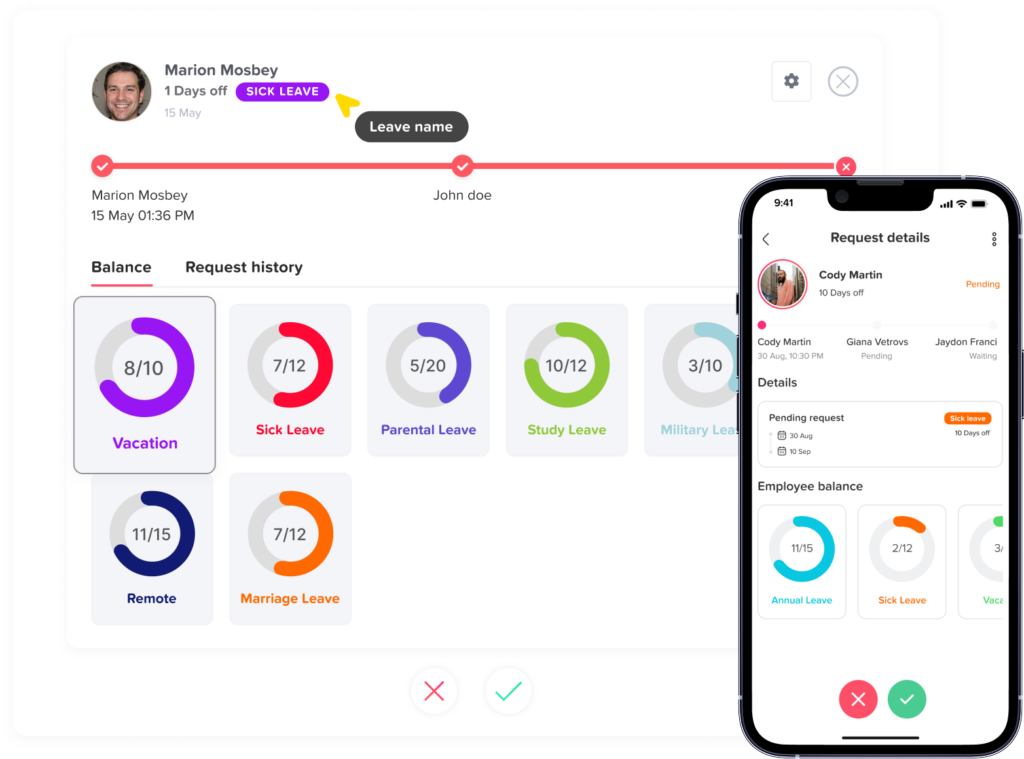
Leave coverage planning becomes harder when requests come through email, chat, verbal conversations, or paper forms. Requests can be missed, delayed, or approved without enough context.
A clear approval workflow helps managers review requests in one place. It also creates a record of who approved the leave and when.
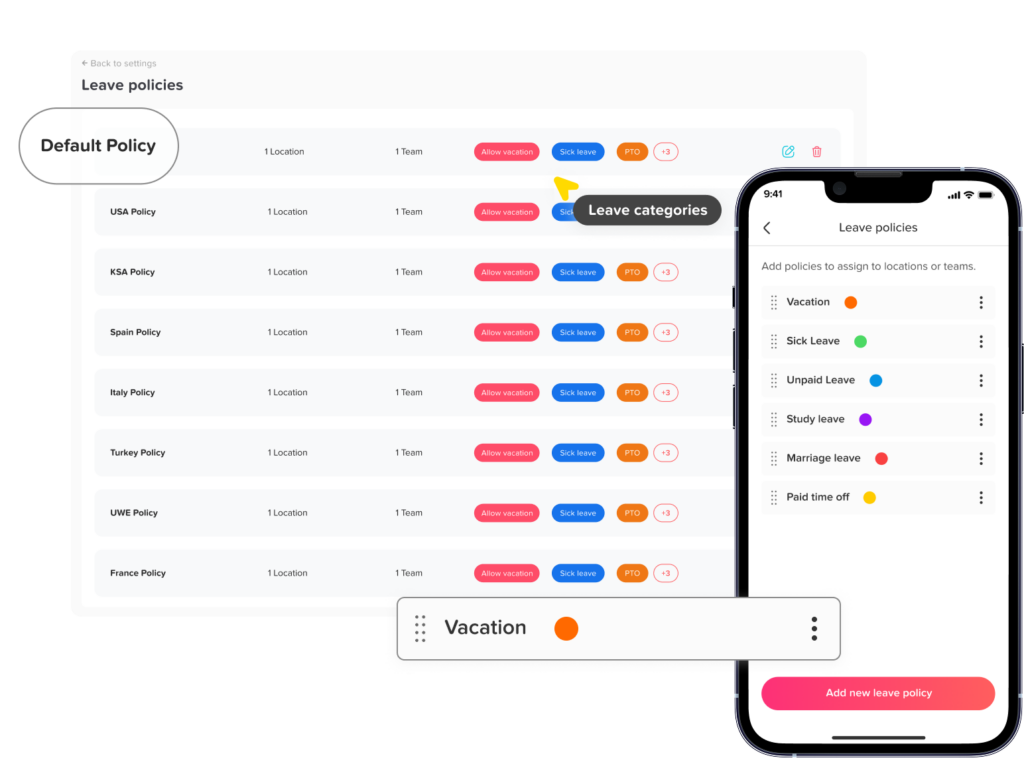
With a tool like Day Off, HR teams can manage leave requests, approvals, leave balances, and policies more consistently. Day Off also supports leave policy settings such as different leave types, auto-approval options, and half-day settings, which can help companies match the system to their actual leave rules.
Approval workflows are especially useful when companies have multiple departments, locations, managers, or approval levels.
Review Leave Patterns Regularly
Leave coverage planning is not only a day-to-day task. HR teams and managers should also review leave patterns over time.
This helps answer questions like:
- Are certain months busier for PTO?
- Do teams struggle with coverage during holidays?
- Are managers approving requests too late?
- Are employees using their leave balance evenly?
- Are there repeated last-minute absences?
- Do some teams need better backup planning?
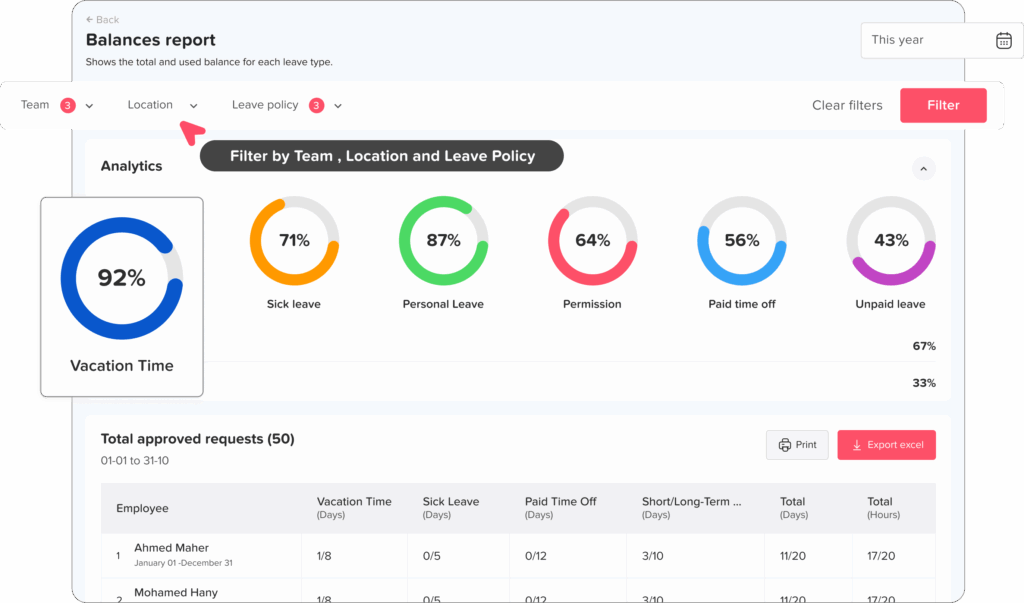
Regular reporting helps HR move from reacting to absences to planning ahead. It also helps identify whether policies need to be updated.
For example, if many employees request leave at the end of the year because unused PTO is about to expire, HR may need better reminders earlier in the year. If one department has frequent overlapping requests, the manager may need clearer approval rules.
Leave Coverage Planning for Different Team Types
Different teams need different coverage plans. A process that works for an office team may not be enough for a customer support team, retail team, or shift-based workplace.
Office and Administrative Teams
For office teams, coverage often focuses on emails, reports, approvals, meetings, and project deadlines. Employees should prepare handoff notes and identify which tasks can wait.
Customer Support Teams
Support teams need strong coverage planning because customer requests continue even when employees are off. Managers may need to review ticket volume, shift coverage, escalation ownership, and response-time expectations.
Sales Teams
Sales coverage may involve active deals, follow-up emails, CRM updates, and client calls. A salesperson going on leave should clearly document deal status and next steps.
HR and Payroll Teams
HR and payroll work often has strict deadlines. Coverage planning should include payroll dates, employee requests, onboarding tasks, and compliance-related responsibilities.
Shift-Based Teams
For shift-based teams, leave coverage planning must connect with schedules. Managers need to know whether approved leave affects minimum staffing levels, opening hours, or service quality.
Remote and Hybrid Teams
Remote teams need extra clarity because people may work across different time zones. A shared leave calendar, clear handoff notes, and written communication are especially important.
What to Include in a Leave Coverage Checklist
A leave coverage checklist helps employees and managers prepare for time off consistently.
Here is a simple checklist HR teams can use:
- Confirm leave dates and leave type
- Check team calendar for overlapping absences
- Review deadlines during the absence
- Identify urgent tasks
- Choose coverage owner or backup person
- Prepare handoff notes
- Share file links or process documentation
- Reschedule or delegate meetings
- Update project management tools if needed
- Confirm emergency contact rules
- Notify relevant team members
- Review workload after the employee returns
This checklist can be adjusted based on role, department, and leave length.
How Day Off Helps With Leave Coverage Planning
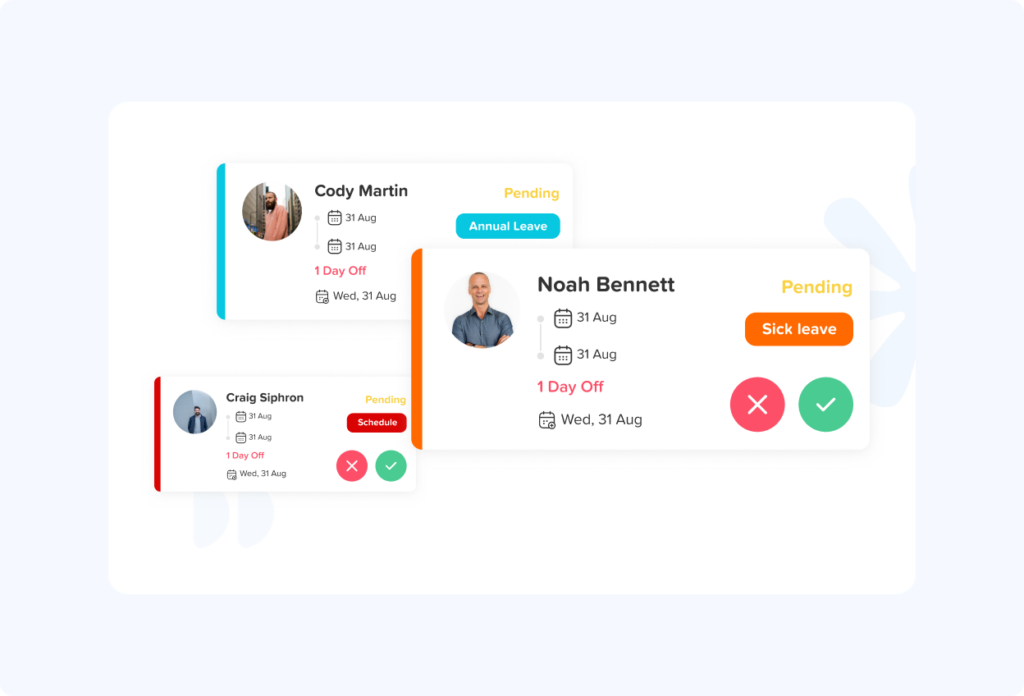
Day Off helps HR teams and managers organize time off in a way that supports better coverage planning. Instead of tracking requests manually across emails, spreadsheets, and messages, teams can manage leave requests, balances, approvals, and calendars in one place.
With Day Off, managers can see who is off, review leave requests, check team availability, and make better approval decisions. HR teams can create leave policies, manage different leave types, track balances, and keep accurate records.
This makes leave coverage easier because everyone has clearer visibility. Employees know how to request time off. Managers know what has already been approved. HR has a reliable record of absences and leave usage.
For growing teams, this structure is important. The more employees a company has, the harder it becomes to manage PTO manually. A dedicated leave management system helps reduce mistakes, delays, and unnecessary follow-ups.
Best Practices for Better Leave Coverage Planning
To make leave coverage planning more effective, companies should follow a few practical best practices.
Keep the Process Simple
If the process is too complicated, employees and managers may avoid using it. Keep request steps, approval rules, and handoff requirements clear.
Plan Early When Possible
Encourage employees to submit planned leave requests early. This gives managers more time to adjust schedules and workloads.
Document Key Processes
Important tasks should not live only in one employee’s head. Document recurring processes so backup employees can step in when needed.
Communicate Coverage Before Leave Starts
The team should know who is off and who is covering important work before the absence begins.
Respect Employee Time Off
Coverage planning should reduce the need to contact employees during PTO. Unless there is a true emergency, employees should be able to disconnect.
Review What Worked After Longer Absences
After extended leave, managers can review whether the coverage plan worked well. This helps improve the process for the future.
Common Mistakes to Avoid
Even companies with a PTO policy can struggle with leave coverage. Here are common mistakes to avoid:
- Approving leave without checking team availability
- Relying on verbal agreements instead of written handoffs
- Assigning all coverage to one employee
- Failing to communicate approved absences to the team
- Expecting employees to stay available during PTO
- Not documenting recurring tasks
- Ignoring patterns in overlapping requests
- Using spreadsheets that are not updated in real time
- Treating emergency leave the same as planned vacation
- Waiting until the day before leave starts to plan coverage
Avoiding these mistakes can make the leave process smoother for employees, managers, and HR.
FAQ: Leave Coverage Planning
What is a leave coverage plan?
A leave coverage plan is a simple plan that explains how work will be handled while an employee is away. It usually includes the employee’s leave dates, urgent tasks, backup person, pending deadlines, handoff notes, and any responsibilities that need to be covered before the employee returns.
How do you cover work when someone is on vacation?
To cover work during vacation, managers should review the employee’s responsibilities before the leave starts, identify urgent tasks, assign a backup person, and decide which work can wait. The employee should also prepare a short handoff with project updates, important deadlines, file links, and any tasks that need attention while they are away.
Who should cover an employee’s work during PTO?
The best coverage person is usually someone who understands the employee’s role, has the right access, and has enough capacity to take on temporary tasks. For longer absences, coverage may need to be split between multiple team members so one person does not become overloaded.
Should employees find their own PTO coverage?
Employees can help by preparing handoff notes and suggesting who understands their work, but managers should usually make the final coverage decision. This helps keep coverage fair, avoids overloading the same people, and ensures the plan matches team priorities.
Can a manager deny PTO because there is no coverage?
In many workplaces, managers may consider staffing needs, deadlines, busy seasons, and overlapping requests before approving PTO. However, the rules depend on company policy, employment contracts, local labor laws, and the type of leave requested. To avoid confusion, companies should clearly explain when PTO may be delayed, limited, or denied for business reasons.
How much notice should employees give before taking PTO?
The right notice period depends on the company and the type of leave. Many companies ask employees to request planned vacation several days or weeks in advance so managers can arrange coverage. Sick leave, emergency leave, and family emergencies usually require a different process because they cannot always be planned ahead.
What should be included in a PTO handoff?
A PTO handoff should include current project status, urgent tasks, upcoming deadlines, important contacts, file links, meeting notes, system access needs, and anything the backup person must know. A good handoff should make it easy for the team to continue essential work without contacting the employee during their time off.
How do managers handle overlapping PTO requests?
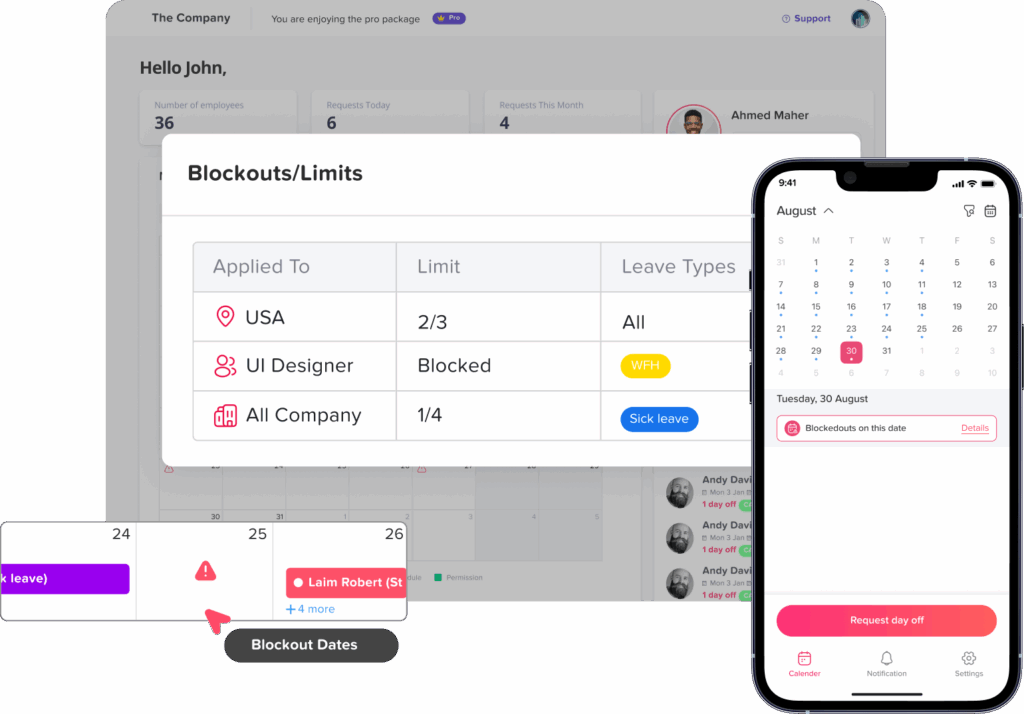
Managers can handle overlapping PTO requests by checking a shared leave calendar before approving time off. They should review team capacity, business priorities, minimum staffing needs, and whether key responsibilities will still be covered. Clear approval rules help managers make fair decisions when multiple employees request the same dates.
How can small businesses manage PTO coverage?
Small businesses can manage PTO coverage by cross-training employees, documenting important tasks, using a shared leave calendar, and creating simple handoff checklists. Because small teams often have fewer backup options, it is important to plan ahead and avoid relying on only one employee for critical work.
How do you handle last-minute sick leave coverage?
For last-minute sick leave, managers should focus on urgent work first. They can reassign time-sensitive tasks, delay non-urgent work, adjust schedules, or ask a backup employee to handle essential responsibilities. A documented process makes emergency absences easier to manage without confusion.
Should employees be contacted while they are on PTO?
Employees should generally be able to disconnect during PTO. If a proper handoff and coverage plan are in place, the team should not need to contact them except for a true emergency. Respecting time off helps prevent burnout and supports a healthier workplace culture.
How can leave management software help with coverage planning?
Leave management software helps managers see who is off, who is available, and whether multiple employees are requesting the same dates. With Day Off, teams can manage leave requests, approvals, balances, policies, and shared calendars in one place. This makes it easier to plan coverage before approving time off and reduces the need for manual tracking in emails or spreadsheets.
What is the difference between leave tracking and leave coverage planning?
Leave tracking records who is off, when they are off, what type of leave they are using, and how much balance they have. Leave coverage planning focuses on how work will continue while that employee is away. Both are important because accurate records help HR, while coverage planning helps managers protect daily operations.
What is the best way to avoid work disruption during employee leave?
The best way to avoid disruption is to plan early. Use a clear PTO policy, shared leave calendar, approval workflow, handoff checklist, and backup system for critical tasks. When everyone knows who is off, who is covering, and what work matters most, employee leave becomes easier to manage.
Conclusion
Leave coverage planning is an important part of effective PTO management. It helps companies support employee time off without creating confusion, missed tasks, or unnecessary stress for the rest of the team.
A strong leave coverage process includes clear leave request rules, shared calendar visibility, fair workload distribution, handoff notes, approval workflows, and regular review of leave patterns. When these pieces work together, employees can take time off confidently, managers can plan ahead, and HR can keep accurate records.
Day Off makes this process easier by helping teams manage leave requests, balances, approvals, policies, and calendars in one place. With better visibility and organization, companies can keep work moving while still giving employees the time off they need.