


-
Leave Policies
- Can employees view their leave policy details?
- Can I set carryover rules for unused leave?
- How do accrual rules work in a leave policy?
- How do I create a leave policy?
- How do I edit or update an existing leave policy?
- How do I set a request period for leave requests?
- How to Allow Compensation for a Leave Type?
- How to Create a Leave Type with No Balance
- How to require a mandatory comment or reason when submitting a leave request?
- How to set a negative balance for leave?
- How to set a notice period for leave requests?
- Is it possible to set probation period rules for leave?
- What is a leave policy and how does it work in Day Off?
- What is the Difference Between a Leave Policy and a Leave Type?
What is the Difference Between a Leave Policy and a Leave Type?
Leave policies and leave types are closely connected, but they are not the same. Understanding the difference helps you set up your system correctly and avoid confusion.
In simple terms:
- A leave type defines what kind of leave employees can take
- A leave policy defines how that leave works
What is a Leave Type?
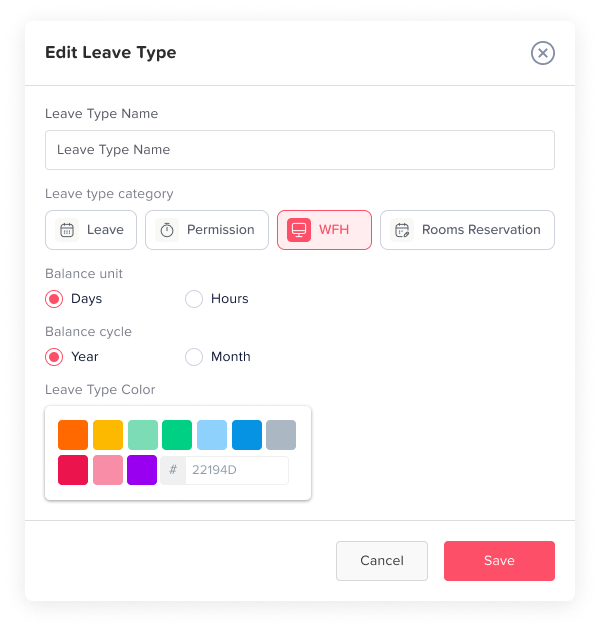
A leave type is a category of time off that employees can request.
Common examples include:
- Vacation leave
- Sick leave
- Personal leave
- Unpaid leave
- Paid Time Off (PTO)
Think of leave types as the labels or categories of leave.
Each leave type can have its own settings in different policies, such as:
- Number of days/hours available
- Whether it is paid or unpaid
- Whether approval is required
- Whether documents are needed (e.g., sick note)
For example:
“Sick Leave” might require a document, while “Vacation Leave” does not.
What is a Leave Policy?
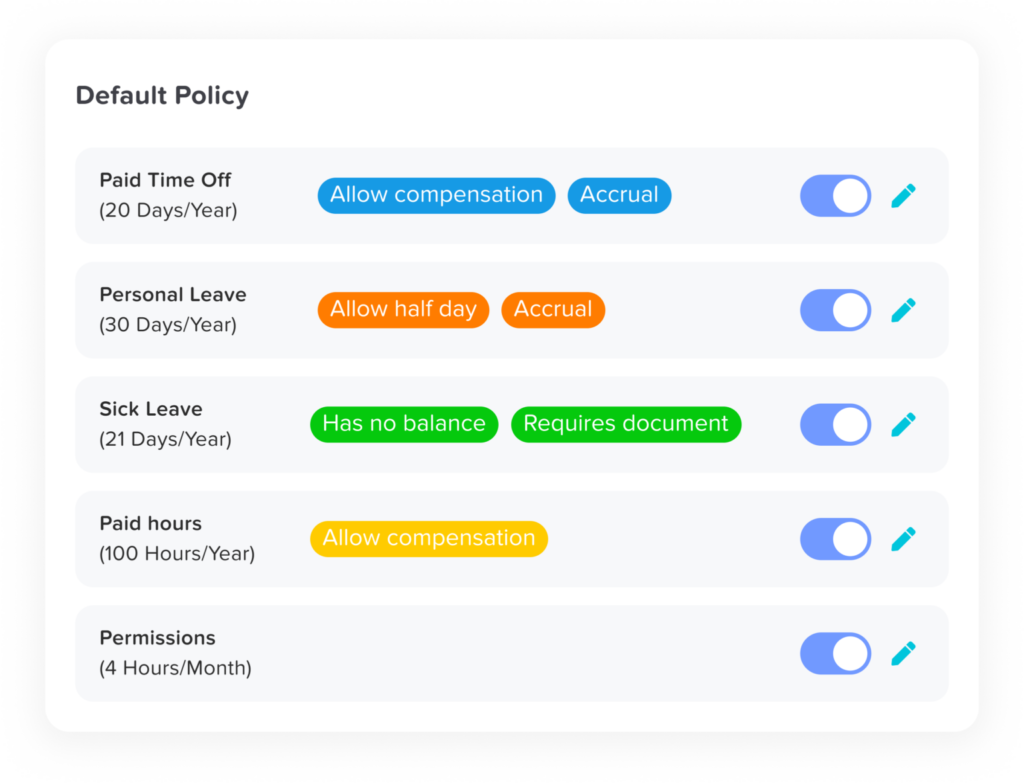
A leave policy is a complete set of rules that controls how leave works for a group of employees.
It brings multiple leave types together and defines how they should be used.
A leave policy includes things like:
- Which leave types are available
- How many days/hours employees get for each type
- How leave is earned (accrual rules)
- What happens to unused leave (carryover rules)
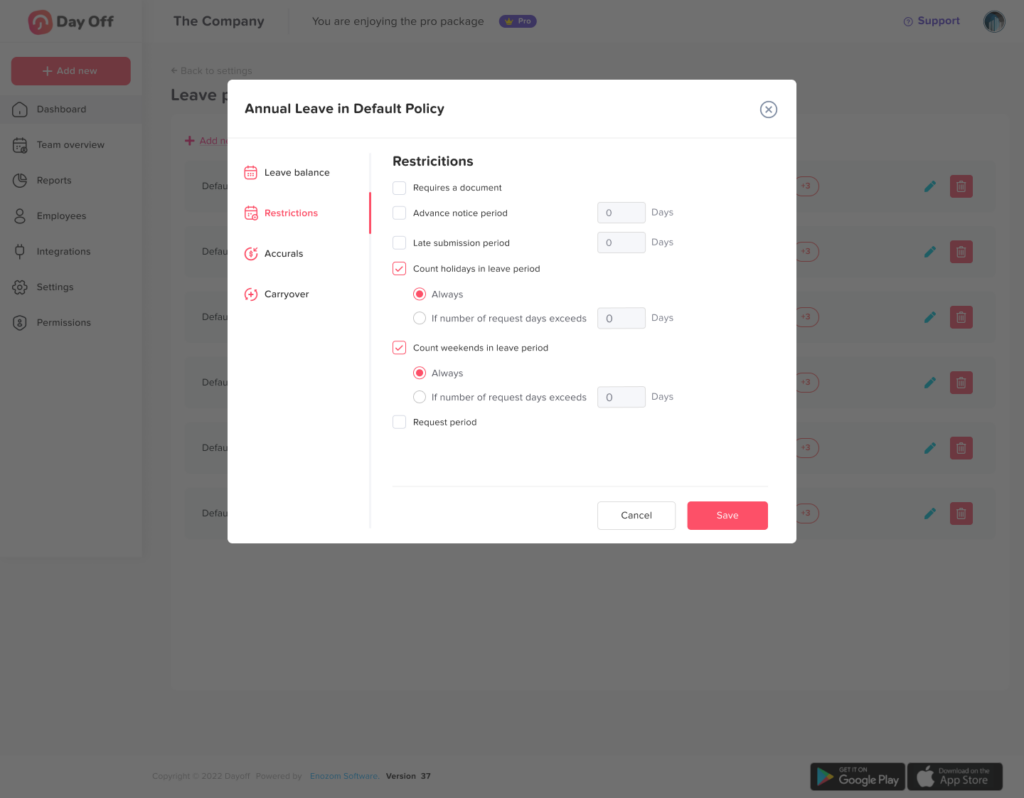
- Request rules (notice period, approvals, restrictions)
Think of a leave policy as the full framework or system that organizes leave.
How Leave Types and Leave Policies Work Together
Leave types and leave policies are designed to work hand in hand to create a complete leave management system.
- Leave types are the building blocks (the different kinds of leave)
- Leave policies organize and control how those leave types are used
Important:
Before creating a leave policy, you need to create your leave types first, since policies are built using those types.
Once your leave types are ready, you can create a leave policy and:
- Select which leave types to include
- Define rules for each type (balances, approvals, accruals, etc.)
Simple Example
Let’s say your company has already created these leave types:
- Vacation
- Sick Leave
- Personal Leave
Next, you create a leave policy called “Full Time Employees”, where you define:
- 21 vacation days per year
- 10 sick leave days
- Rules for approvals, accruals, and carryover
In this case:
- The leave types are the categories employees can choose from
- The leave policy defines how those categories behave and what rules apply
Key Difference (Quick Summary)
- Leave Type: What kind of leave is this?
- Leave Policy: How does leave work for employees?
Why This Matters
Understanding this difference helps you:
- Set up your system in the correct order (types first, then policies)
- Apply the right rules to the right employees
- Keep your leave structure clear and easy to manage
- Avoid confusion for both admins and employees
A simple way to remember:
- Leave types = the different kinds of time off
- Leave policies = the rules that manage those types
When both are set up properly, everything works together smoothly, allowing Day Off to automatically handle requests, balances, and approvals with minimal effort.