







As companies continue to expand beyond borders, global distributed teams have become a strategic advantage. Hiring across countries allows access to wider talent pools, cost efficiencies, and around the clock productivity. However, this global reach introduces one of the most underestimated challenges in workforce operations: leave management across multiple countries, laws, and time zones.

Leave management is no longer a simple HR task. For global teams, it sits at the intersection of legal compliance, workforce planning, employee experience, and operational continuity. In this in depth guide, we’ll explore the full scope of global leave management, why it’s complex, and how organizations can design scalable, compliant, and efficient systems.
Understanding Leave Management in a Global Context
Leave management refers to how organizations define, track, approve, and report employee time off. In a global environment, this includes:
Paid time off (PTO) and vacation leave
Sick and medical leave
Public and national holidays
Parental, maternity, and paternity leave
Compassionate, bereavement, and special leave
Unpaid or statutory protected leave
What makes global leave management unique is that each of these leave types may be governed by different laws depending on the employee’s location.
A policy that works perfectly in one country can be illegal or incomplete in another.
Why Global Leave Management Is So Challenging
Country Specific Legal Requirements
Every country defines leave entitlements differently. These differences can include:
Minimum vacation days per year
Whether sick leave is paid, unpaid, or employer funded
Rules around public holidays and substitutes
Carryover limits and expiration rules
Whether unused leave must be paid out upon termination
Failing to meet statutory requirements can expose companies to audits, penalties, and employee disputes. For global teams, manual tracking increases the likelihood of mistakes.
Local Interpretation of “PTO”
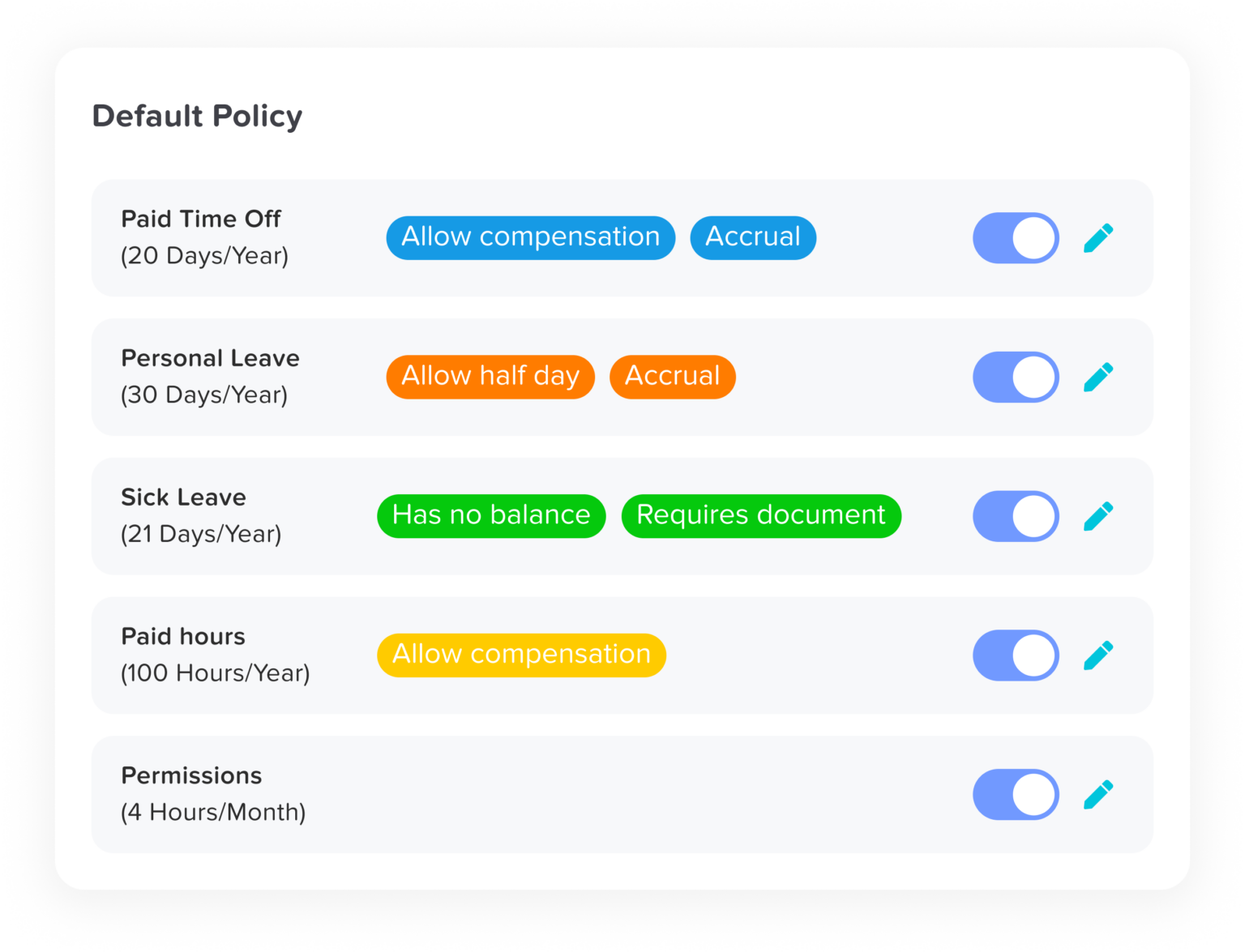
In some regions, PTO is a single flexible balance. In others, leave types must be separated and tracked independently. Combining everything into one bucket may violate labor laws or collective agreements.
This makes it critical to design leave structures that respect local definitions of leave, not just company preferences.
Cultural Differences Around Time Off
Beyond legal compliance, cultural expectations vary widely:
Some cultures encourage employees to take their full leave entitlement
Others discourage long absences or overlapping leave
Public holidays may be heavily observed in one country and flexible in another
Ignoring cultural norms can negatively impact morale, retention, and employer brand.
Time Zone Driven Scheduling Risks
Distributed teams often work asynchronously. Without careful planning, leave can cause:
Delays in approvals
Missed handovers
Gaps in customer support or operations
Reduced collaboration during key periods
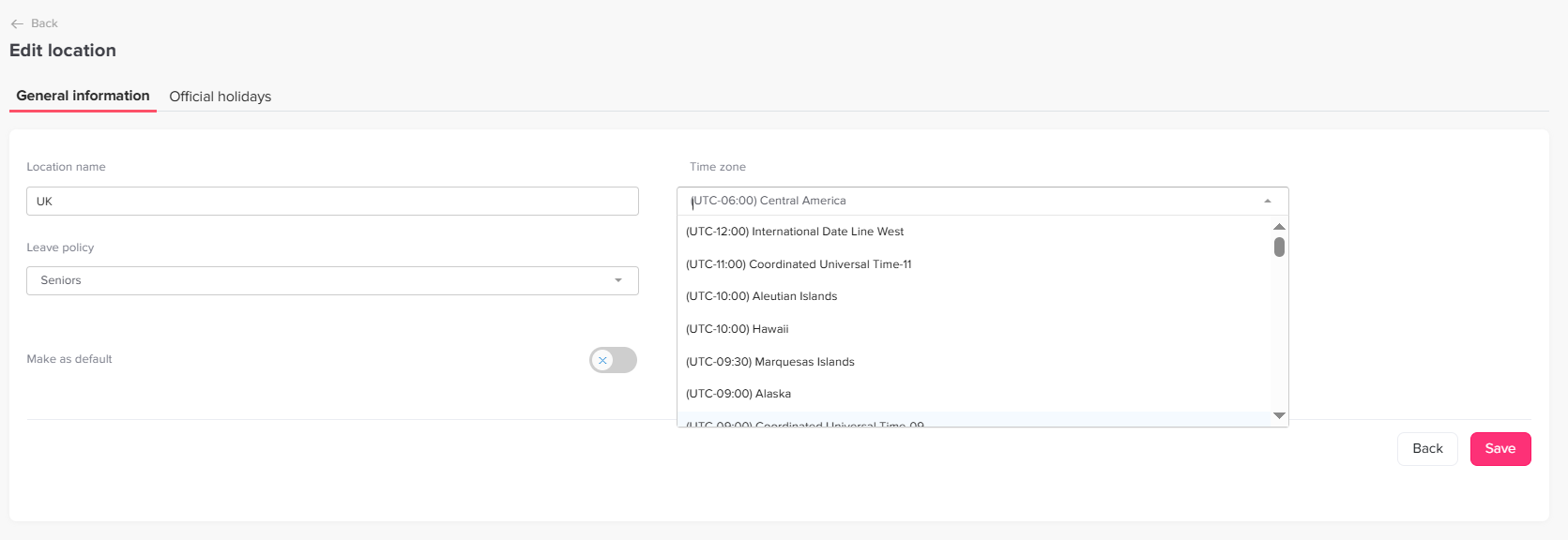
Scheduling leave across time zones requires real time visibility and forecasting, not static calendars.
The Business Impact of Poor Global Leave Management
When leave is not managed effectively at a global level, the consequences extend far beyond HR:
Operational disruption due to understaffing
Manager burnout from last minute scheduling issues
Payroll errors from incorrect balances or accruals
Compliance risks from outdated or misapplied rules
Employee dissatisfaction caused by confusion or perceived unfairness
Over time, these issues can erode trust and productivity across distributed teams.
Designing a Scalable Global Leave Strategy
Establish a Global Leave Framework
A strong foundation starts with a global framework that defines:
Core leave principles
Standard approval processes
Common terminology
Reporting and governance rules
This framework ensures consistency while allowing flexibility where local laws require it.
Layer Local Policies on Top
Instead of reinventing policies for every country, organizations should:
Adapt entitlements based on local labor laws
Configure accruals, carryover, and resets by region
Respect mandatory leave types
This approach balances control with compliance.
Centralize Leave Data
A single, centralized system is essential for global teams. Centralization enables:
Accurate real time leave balances
Consistent approvals regardless of location
Clear reporting across departments and countries
Simplified audits and record keeping
Without centralization, global leave data becomes fragmented and unreliable.
Automate Compliance Wherever Possible
Automation is key to scaling global leave management. Automated systems can:
Apply statutory rules automatically
Prevent invalid leave requests
Adjust balances correctly over time
Keep policies aligned as regulations change
This reduces dependency on manual oversight and legal interpretation.
Integrate Scheduling and Capacity Planning
Leave management should not exist in isolation. For global teams, it must integrate with scheduling by:
Displaying team availability across time zones
Highlighting overlapping leave risks
Supporting approval decisions based on coverage
Helping managers plan workloads proactively
This transforms leave management from a reactive process into a strategic planning tool.
The Role of Leave Management Software for Global Teams
Modern leave management software is designed to handle the complexity of distributed workforces. A dedicated solution allows organizations to:
Manage employees in multiple countries from one platform
Configure country specific leave rules and policies
Track PTO, sick leave, and statutory leave accurately
Visualize leave calendars across regions and time zones
Maintain transparent approval workflows
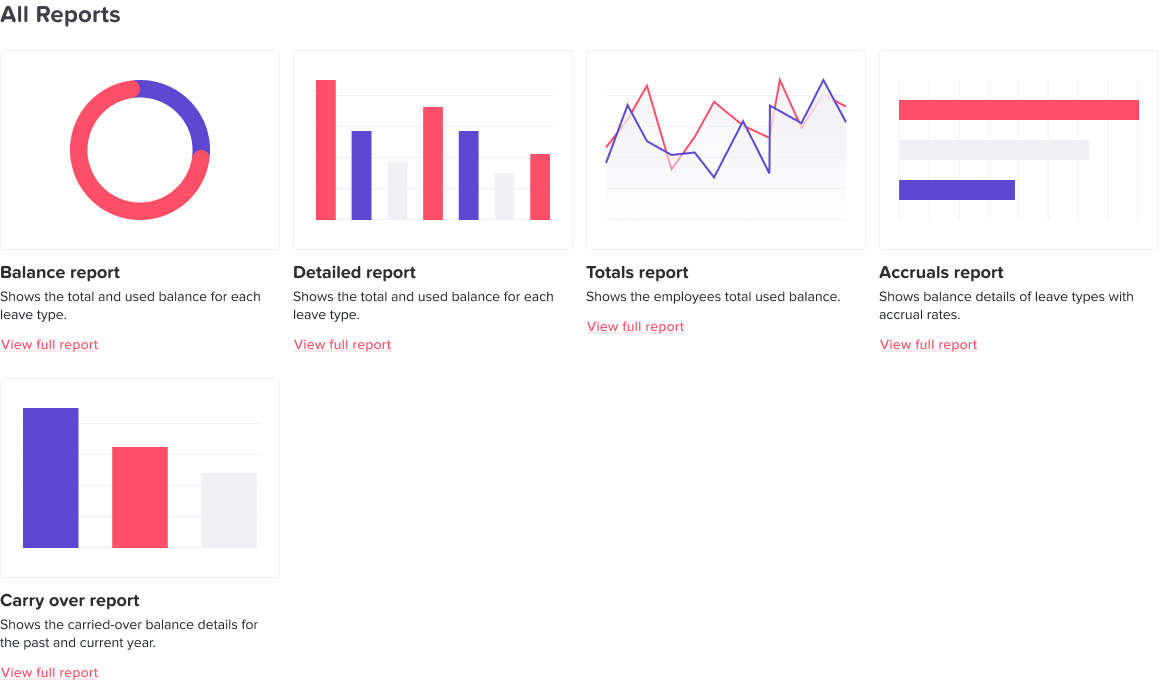
Generate detailed reports for HR, payroll, and leadership
Solutions like Day Off are built to support global and distributed teams by combining multi country compliance, scheduling visibility, and ease of use across web, iOS, and Android.
Governance, Reporting, and Audits
Global leave management also requires strong governance. Organizations should ensure they can:
Demonstrate compliance with local labor laws
Provide audit ready leave records
Track usage trends by region and team
Identify risks such as excessive absenteeism or burnout
Advanced reporting enables better decision making and long term workforce planning.
Supporting Employee Experience in Distributed Teams
Clear, transparent leave management is a major contributor to employee trust. For global teams, this means:
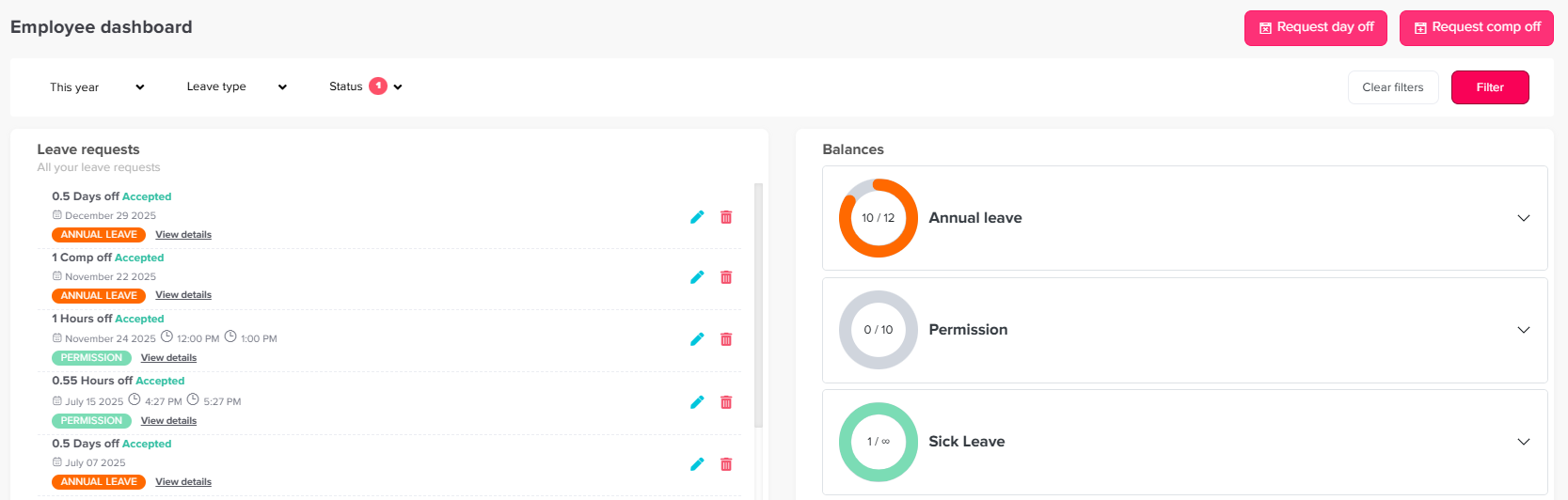
Self service access to leave balances
Clear explanations of entitlements
Predictable approval processes
Equal treatment across regions
When employees understand their leave rights and feel confident requesting time off, engagement and retention improve.
The Future of Global Leave Management
As global hiring accelerates, leave management will continue to evolve. Future focused organizations will:
Treat leave data as part of workforce analytics
Integrate leave planning with capacity and resource management
Use automation to stay compliant across jurisdictions
Design policies that support flexibility without sacrificing structure
Global leave management is no longer just an HR responsibility it’s a business critical system.
FAQ
What is leave management for global distributed teams?
Leave management for global distributed teams refers to the process of tracking, approving, and managing employee time off across multiple countries, time zones, and legal systems. It ensures that employees receive their correct leave entitlements while organizations remain compliant with local labor laws and maintain adequate staffing across regions.
Why is multi country compliance important in leave management?
Multi country compliance is critical because labor laws vary by location. Each country may have different rules for paid vacation, sick leave, public holidays, parental leave, and PTO carryover. Non compliance can result in legal penalties, employee disputes, and reputational damage. A compliant leave management system automatically applies local rules and keeps accurate records.
Can one leave policy work for all countries?
A single universal policy rarely works without adjustments. Most organizations use a global leave framework with country specific variations. This approach maintains consistency while allowing flexibility to meet local legal requirements and cultural expectations.
How do global teams manage public holidays across countries?
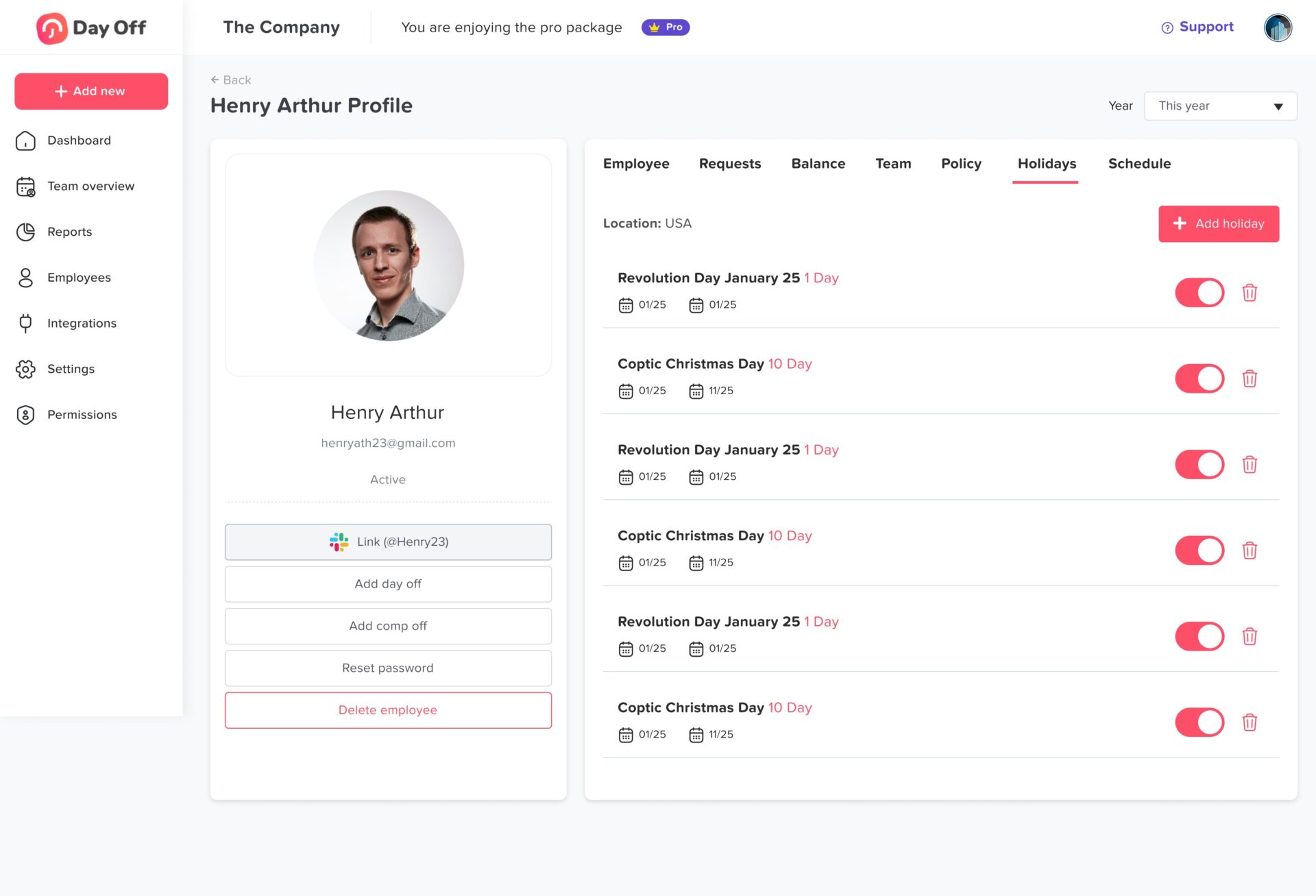
Global teams typically manage public holidays by assigning holidays based on the employee’s work location. A centralized leave management system can automatically apply country specific holiday calendars, ensuring accurate scheduling and preventing confusion or coverage gaps.
How does leave management affect global team scheduling?
Leave management directly impacts scheduling by showing who is available across time zones. Without proper visibility, overlapping leave can cause understaffing or delays. Integrated leave calendars help managers plan workloads, approve time off responsibly, and maintain operational continuity.
What are the risks of managing global leave manually?
Manual leave tracking increases the risk of errors, including incorrect balances, missed statutory entitlements, payroll mistakes, and compliance violations. It also limits visibility for managers and creates administrative overhead that doesn’t scale as teams grow.
How does automation help with global leave compliance?
Automation enforces country specific rules automatically, calculates accruals correctly, prevents invalid leave requests, and keeps policies up to date as regulations change. This reduces legal risk and ensures consistent application of leave policies worldwide.
Do global teams need separate leave types for each country?
Often, yes. Some countries require leave types to be tracked separately, such as sick leave, vacation leave, and statutory leave. A flexible leave management system allows organizations to define different leave types per country while maintaining centralized oversight.
How can managers prevent leave overlaps in distributed teams?
Managers can prevent leave overlaps by using shared team calendars, approval rules based on team capacity, and alerts for overlapping requests. Visibility across regions and time zones enables proactive planning rather than last minute adjustments.
How does leave management software support employee experience?
Leave management software provides employees with self service access to balances, clear entitlement information, and transparent approval workflows. This clarity builds trust, reduces confusion, and encourages employees to take time off responsibly.
Is leave management software necessary for small global teams?
Even small global teams benefit from dedicated leave management software. As soon as employees are hired in multiple countries, compliance and scheduling complexity increases. Using the right system early helps avoid costly mistakes and supports future growth.
How does Day Off support global distributed teams?
Day Off helps global teams manage leave across countries by centralizing policies, automating compliance rules, and providing clear scheduling visibility. It supports web, iOS, and Android, making leave management accessible for distributed teams everywhere.
How often should global leave policies be reviewed?
Global leave policies should be reviewed at least annually or whenever a company enters a new country. Regular reviews help ensure compliance with changing labor laws and alignment with business needs and workforce expectations.
Conclusion
Leave management for global distributed teams is complex, but it’s also manageable with the right strategy and tools. By combining a global policy framework, local compliance automation, centralized visibility, and smart scheduling, organizations can:
Stay compliant across countries
Prevent staffing and scheduling disruptions
Improve employee experience worldwide
Scale confidently as teams grow internationally
In a world of distributed work, effective leave management is not just about time off it’s about enabling sustainable, compliant, and high performing global teams.