







Managing employee time is not just about knowing who came to work today. Modern teams need to understand two important sides of employee availability: time off and time worked. This is why many businesses compare a leave tracker app vs attendance tracker before choosing the right system.
A leave tracker app helps companies manage employee vacations, sick leave, PTO, unpaid leave, personal days, approvals, leave balances, and shared time-off calendars. An attendance tracker helps companies record employee work hours, clock-ins, clock-outs, late arrivals, absences, overtime, and attendance reports.
Both tools are useful, but they solve different problems.

If your main issue is managing PTO requests, leave balances, and overlapping vacations, you probably need a leave tracker app. If your main issue is tracking employee working hours, late arrivals, overtime, and daily attendance, you probably need an attendance tracker. But for many businesses, the best option is not choosing one over the other. It is using a system that connects both.
Day Off helps businesses manage PTO, leave requests, approvals, shared calendars, work schedules, attendance, punch-in and punch-out records, late time, overtime, and reports in one place. This gives HR teams, managers, and employees a clearer view of who is working, who is away, and how employee time is being managed.
In this article, we will explain the difference between a leave tracker app and an attendance tracker, when your team needs each one, how both systems work together, and how to choose the right solution for your business.
What Is a Leave Tracker App?
A leave tracker app is software that helps businesses manage employee time off. It replaces manual PTO tracking methods such as spreadsheets, emails, paper forms, chat messages, and shared calendars.
A leave tracker app is mainly used to manage:
- Vacation days
- Sick leave
- Paid time off
- Unpaid leave
- Personal leave
- Maternity and paternity leave
- Half-day leave
- Public holidays
- Leave balances
- Leave approvals
- PTO policies
- Team availability
- Leave reports
The main goal of a leave tracker app is to help businesses know who is away, when they are away, why they are away, and how much leave they have remaining.
For example, if an employee wants to take three vacation days next month, they can submit a request through the leave tracker app. The manager can review the request, check team availability, approve or reject it, and the employee’s balance updates automatically.
Without a leave tracker app, this process may happen through email, chat, or spreadsheets. That can lead to forgotten requests, outdated balances, overlapping vacations, and confusion around who is available.
What Is an Attendance Tracker?
An attendance tracker is software that helps businesses record when employees are working. It tracks attendance behavior such as clock-ins, clock-outs, working hours, late arrivals, early departures, missed shifts, breaks, and overtime.
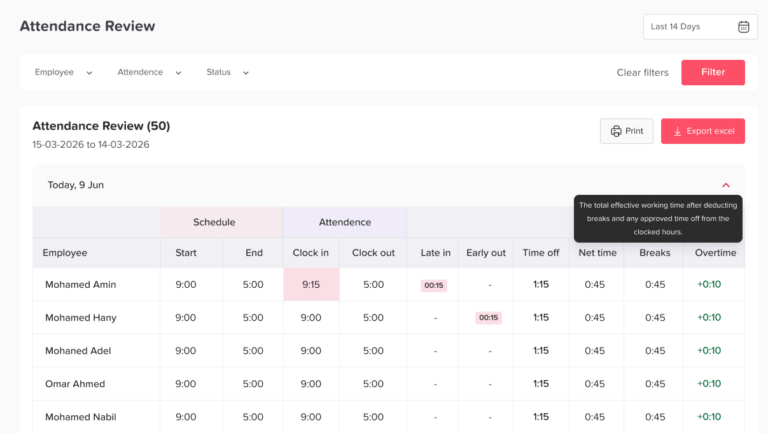
An attendance tracker is mainly used to manage:
- Punch in and punch out
- Clock-in and clock-out records
- Daily attendance
- Work hours
- Late arrivals
- Early departures
- Breaks
- Overtime
- Missed shifts
- Absences
- Timesheets
- Attendance reports
- Payroll preparation
The main goal of an attendance tracker is to help businesses know who worked, when they worked, and how many hours they worked.
For example, if an employee is scheduled to start at 9:00 AM but clocks in at 9:20 AM, the attendance tracker can record the late time. If another employee works two extra hours, the system can record overtime. Managers can then review attendance records before payroll or performance discussions.
Without an attendance tracker, businesses may rely on paper timesheets, manual entries, or manager notes. This can create payroll errors, missed overtime, inaccurate attendance records, and disputes about working hours.
Leave Tracker App vs Attendance Tracker: The Main Difference
The main difference is simple:
A leave tracker app manages employee time away from work.
An attendance tracker manages employee time spent at work.
Both tools are connected because they help businesses understand employee availability. However, they focus on different parts of the employee time management process.
| Area | Leave Tracker App | Attendance Tracker |
|---|---|---|
|
Content |
Tracks approved and requested time off |
Tracks actual working time |
|
Focus |
PTO, leave, vacations, sick days, balances |
Clock-ins, clock-outs, hours, overtime, lateness |
|
Main users |
HR, managers, employees |
HR, managers, payroll, employees |
|
Best for |
Managing planned and approved absences |
Managing daily attendance and work hours |
|
Key question answered |
Who is away and how much leave do they have left? |
Who worked and how many hours did they work? |
|
Common records |
Leave requests, balances, approvals, calendars |
Timesheets, punch records, overtime, attendance logs |
|
Payroll impact |
Paid leave, unpaid leave, absence records |
Worked hours, overtime, missed time, late time |
|
Planning impact |
Team availability and leave coverage |
Staffing, punctuality, labor hours, attendance trends |
Both systems become more powerful when they work together. If an employee does not clock in, the attendance tracker may show an absence. But without leave data, the manager may not know whether that absence is approved PTO, sick leave, unpaid leave, or an unplanned absence.
This is why businesses should avoid managing leave and attendance in completely separate systems.
Why the Difference Matters
Many businesses think tracking attendance is enough. Others only focus on PTO tracking. But employee time management needs both sides.
Imagine these situations:
- An employee is not present today. Is this an approved vacation day, sick leave, unpaid leave, or an unplanned absence?
- An employee worked fewer hours this week. Did they take approved half-day leave, arrive late, or forget to clock in?
- A manager wants to approve a new vacation request. Will the team still have enough people working that week?
- Payroll needs to calculate wages. Which hours were worked, which days were paid leave, and which absences were unpaid?
These questions cannot be answered clearly if leave tracking and attendance tracking are disconnected.
A leave tracker app gives context to absences. An attendance tracker gives detail about working hours. Together, they create a complete picture of employee time.
When Your Team Needs a Leave Tracker App
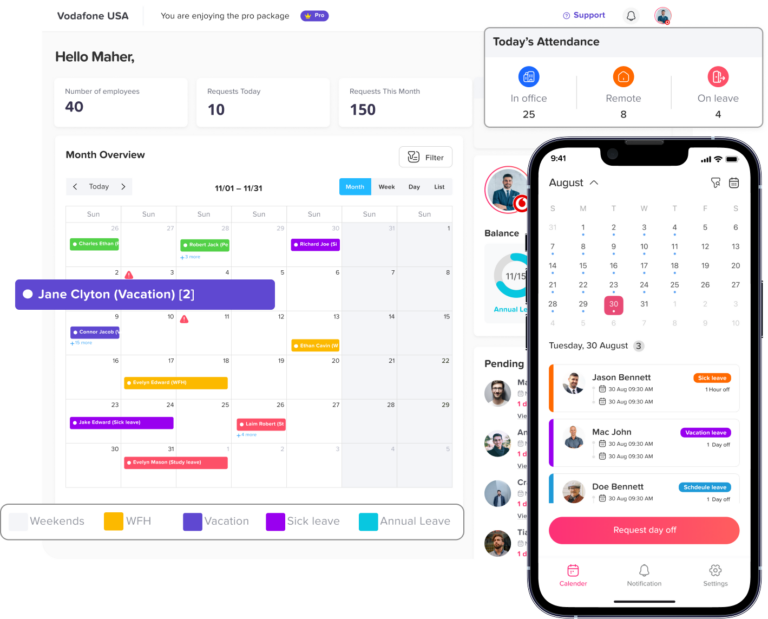
Your team needs a leave tracker app if your biggest challenges are related to PTO, vacations, sick leave, leave requests, and employee availability.
You Track PTO in Spreadsheets
Many small businesses start with a spreadsheet to track employee leave. This may work for a very small team, but it becomes difficult as the company grows.
Spreadsheet problems include:
- PTO balances need manual updates
- Employees may not know how many days they have left
- Managers may approve leave without checking availability
- Multiple versions of the spreadsheet may exist
- HR may spend too much time correcting mistakes
- Leave requests may be scattered across emails and chats
A leave tracker app solves these problems by keeping leave requests, approvals, balances, and calendars in one place.
Employees Keep Asking About Leave Balances
If employees often ask, “How many PTO days do I have left?” then your leave tracking process is probably too manual.
A leave tracker app gives employees self-service access to their balances. They can check available days before submitting a request. This reduces repeated questions and helps employees plan better.
Day Off allows employees to view their PTO balances, submit leave requests, and follow their approval status without needing constant HR updates.
Managers Approve Overlapping Vacations
Overlapping leave can create staffing problems. If too many employees are away at the same time, projects may be delayed, customer service may suffer, and managers may need to reassign work at the last minute.
A leave tracker app helps managers check team availability before approving requests. A shared leave calendar makes it easier to see who is off and when.
This is especially important for small teams, customer support teams, healthcare teams, retail stores, restaurants, agencies, and any business where coverage matters.
Your Company Has Different Leave Policies
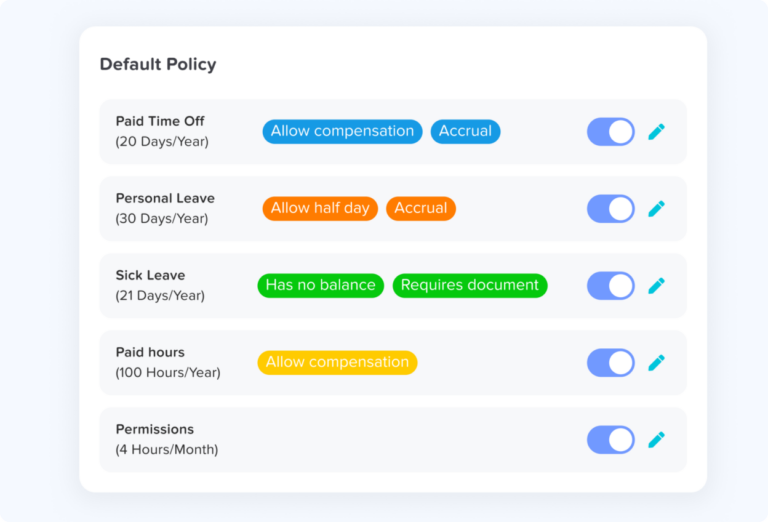
Some businesses use one simple PTO policy for everyone. Others have multiple policies based on location, team, role, seniority, contract type, or employee type.
For example:
- Full-time employees may receive more PTO than part-time employees
- Different locations may follow different public holidays
- Sick leave may have different rules from vacation leave
- Some employees may have carryover limits
- Some teams may have blackout periods
- Some employees may reset leave balances on their anniversary date
A leave tracker app helps organize these rules so HR does not have to calculate everything manually.
You Need Better Leave Reports
Leave reports help HR and managers understand time-off patterns. They can show who used leave, who has remaining balances, which leave types are most common, and whether certain periods have high absence levels.
This is useful for planning, payroll, compliance, and workforce management.
Day Off provides reports that help businesses review leave balances, time-off usage, and employee availability more clearly.
When Your Team Needs an Attendance Tracker
Your team needs an attendance tracker if your biggest challenges are related to work hours, clock-ins, lateness, overtime, breaks, and payroll preparation.
You Need to Track Working Hours
If employees are paid hourly, work different shifts, or need to record actual hours worked, an attendance tracker is important.
It helps businesses know:
- When employees started work
- When employees finished work
- How many hours they worked
- Whether they took breaks
- Whether they worked overtime
- Whether they missed a shift
- Whether they arrived late or left early
This information is important for payroll, workforce planning, and attendance management.
Employees Work Fixed Hours, Flexible Hours, or Rotating Shifts
Different schedules require different attendance rules.
- For fixed schedules, the system needs to compare clock-in times against a specific start time.
- For flexible schedules, the system may focus more on total hours worked instead of exact start and end times.
- For rotating shifts, the system needs to compare attendance against changing shift patterns.
Day Off supports different work schedules, including fixed hours, flexible hours, and rotating shifts. This helps businesses track attendance according to the employee’s actual schedule.
You Need to Track Late Time
Late arrivals are difficult to manage without accurate records. If a manager tracks lateness manually, the process may become inconsistent or unfair.
An attendance tracker can calculate late time based on the employee’s expected schedule.
| Scheduled Start | Actual Punch In | Late Time |
|---|---|---|
|
9:00 AM |
9:07 AM |
7 minutes |
|
9:00 AM |
9:20 AM |
20 minutes |
|
10:00 AM |
10:15 AM |
15 minutes |
This gives managers clearer data instead of relying on memory or manual notes.
You Need to Track Overtime
Overtime can increase labor costs and affect employee workload. If overtime is not tracked properly, payroll may be inaccurate and managers may not notice workload issues.
An attendance tracker helps calculate overtime by comparing actual work hours with scheduled or required hours.
| Required Hours | Actual Hours Worked | Overtime |
|---|---|---|
|
8 hours |
9 hours |
1 hour |
|
40 hours weekly |
45 hours weekly |
5 hours |
|
6 hours |
7.5 hours |
1.5 hours |
This helps managers review overtime before payroll and make better staffing decisions.
Payroll Takes Too Much Time
Payroll preparation becomes harder when work hours, overtime, absences, and leave records are stored in different places.
An attendance tracker helps organize the work-hour side of payroll by providing timesheets, attendance records, and reports.
When connected with leave tracking, payroll becomes even clearer because the business can see both worked hours and approved time off.
You Need Better Attendance Visibility
Managers need to know who is working today, who is late, who missed a shift, and who worked overtime. This is especially important for businesses with hourly employees, shift workers, remote teams, hybrid teams, field teams, or multiple locations.
An attendance tracker gives managers a real-time or organized view of employee attendance instead of relying on messages and manual updates.
Why Many Teams Need Both
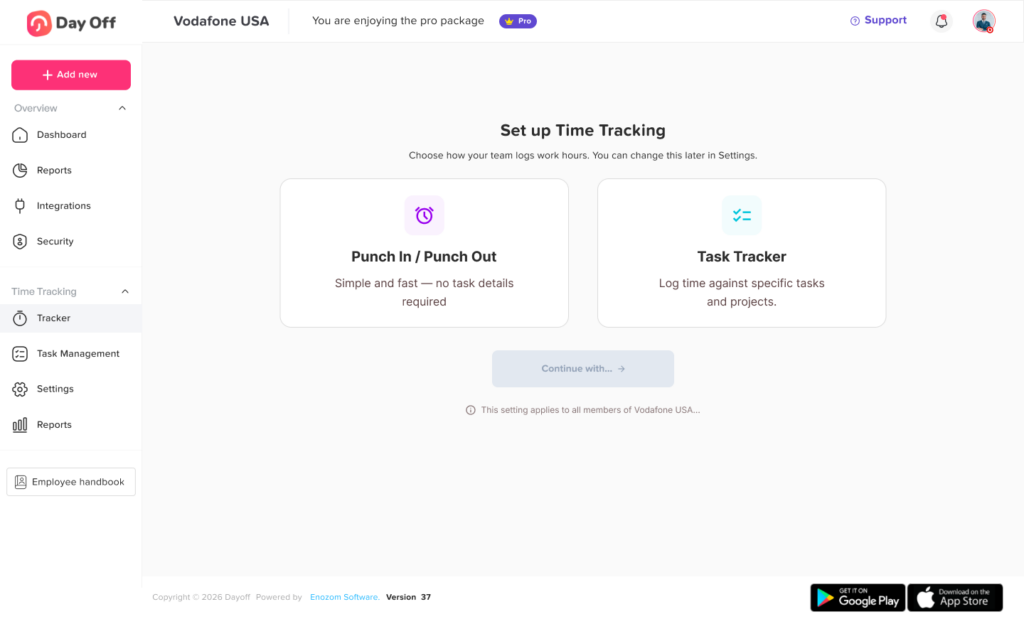
For many businesses, the real answer is not “leave tracker app or attendance tracker.” The better answer is often both.
A leave tracker app tells you why someone is not working.
An attendance tracker tells you whether someone worked and for how long.
Together, they answer the full question: Who is available, who is working, who is away, and why?
Example 1: Employee Is Absent
If you only use an attendance tracker, you may see that the employee did not clock in. But you may not know why.
If you also use a leave tracker app, you can see whether the employee is on approved PTO, sick leave, personal leave, or unpaid leave.
Example 2: Employee Worked Fewer Hours
If an employee worked only four hours instead of eight, the attendance tracker shows the reduced hours. But the leave tracker app can explain whether the employee took half-day PTO, had approved personal leave, or left early without approval.
Example 3: Manager Needs to Approve PTO
Before approving a leave request, the manager needs to know who else is already away and whether enough people are working.
A leave tracker app shows approved time off. An attendance tracker shows attendance patterns and workload. Together, they help managers make better approval decisions.
Example 4: Payroll Needs Final Records
Payroll needs to know worked hours, overtime, paid leave, unpaid leave, and absences.
An attendance tracker provides work-hour records. A leave tracker app provides approved time-off records. Together, they reduce payroll confusion.
Leave Tracker App vs Attendance Tracker by Business Type
Different teams need different tools. Here is how the choice may change depending on your business.
| Business Type | More Important Tool | Why |
|---|---|---|
|
Small office team |
Leave tracker app |
PTO requests, sick leave, and availability are often the main issues |
|
Retail store |
Both |
Needs shift attendance and leave coverage |
|
Restaurant or cafe |
Attendance tracker |
Clock-ins, shifts, breaks, and overtime are critical |
|
Remote team |
Both |
Needs visibility into working time and time off |
|
Hybrid team |
Both |
Needs attendance clarity and PTO planning |
|
Agency |
Leave tracker app and project time tracking |
Availability affects project deadlines |
|
Field service team |
Attendance tracker |
Needs mobile clock-ins and work-hour tracking |
|
Startup |
Leave tracker app |
PTO policies and availability become harder as the team grows |
|
Customer support team |
Both |
Needs coverage planning and absence management |
|
Healthcare or clinic team |
Both |
Needs schedule coverage, leave control, and attendance records |
Leave Tracker App vs Attendance Tracker: Feature Comparison
| Feature | Leave Tracker App | Attendance Tracker |
|---|---|---|
|
PTO requests |
Yes |
Usually no, unless included |
|
Leave approvals |
Yes |
Usually no, unless included |
|
Leave balances |
Yes |
No |
|
Vacation tracking |
Yes |
No |
|
Sick leave tracking |
Yes |
sometimes |
|
Shared leave calendar |
Yes |
Sometimes |
|
Clock in and clock out |
No |
Yes |
|
Work hours tracking |
No |
Yes |
|
Late time tracking |
No |
Yes |
|
Break tracking |
No |
Yes |
|
Timesheets |
Sometimes |
Yes |
|
Absence tracking |
Yes |
Yes, but with less leave context |
|
Payroll support |
Yes, for leave data |
Yes, for worked hours |
|
Scheduling support |
Sometimes |
Sometimes |
|
Best for |
PTO and availability |
Attendance and working hours |
The Problem With Using Separate Tools
Some businesses use one tool for attendance and another tool for leave tracking. This can work, but it may create problems if the tools do not communicate with each other.
Common problems include:
- HR has to update two systems
- Managers need to check multiple dashboards
- Employees are confused about where to request leave
- Payroll has to compare attendance and PTO manually
- Absences may be counted incorrectly
- Reports may not match
- Approved leave may still appear as absence
- Team availability is harder to understand
For example, if an employee is on approved sick leave in one system but the attendance tracker shows them as absent, HR may need to manually explain or correct the record.
This is why combining leave tracking and attendance tracking in one platform can save time and reduce mistakes.
Lorem ipsum dolor sit amet, consectetur adipiscing elit. Ut elit tellus, luctus nec ullamcorper mattis, pulvinar dapibus leo.
How Day Off Connects Leave Tracking and Attendance Tracking
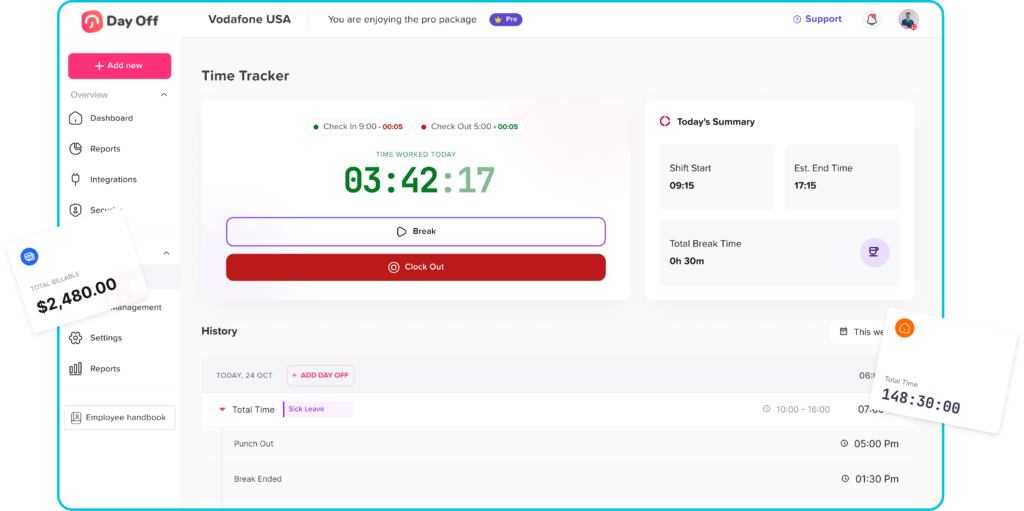
Day Off helps teams manage both sides of employee time: time off and time worked.
Instead of using spreadsheets for PTO, emails for approvals, and a separate tool for attendance, Day Off brings important employee time data into one organized system.
PTO and Leave Requests
Employees can request vacation, sick leave, unpaid leave, personal leave, or other leave types through Day Off. Managers can review and approve requests, and HR can keep a clear record of every leave request.
Leave Balances
Day Off helps track leave balances so employees and managers can see how many days are available, used, or remaining. This reduces manual calculations and repeated HR questions.
Shared Calendar
The shared leave calendar helps teams see who is away and when. This makes it easier to avoid overlapping leave and plan work around employee availability.
Work Schedules
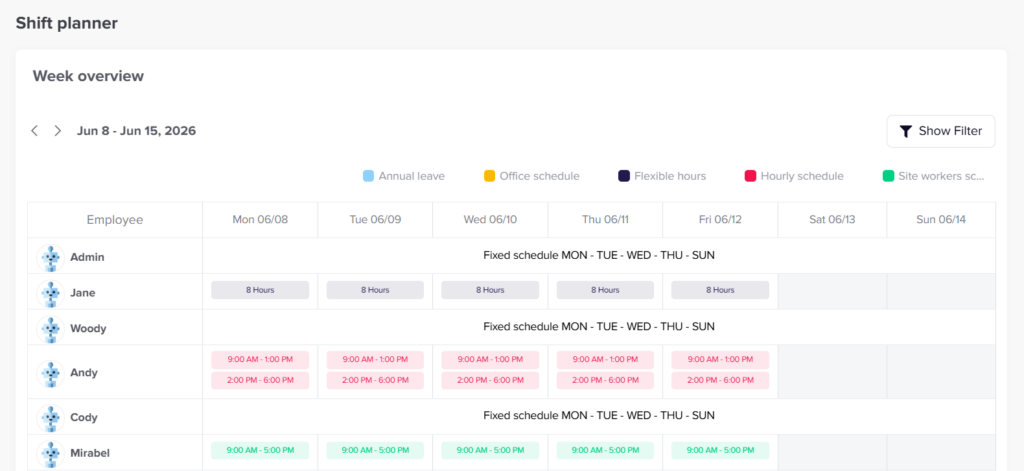
Day Off supports different work schedules, including fixed hours, flexible hours, and rotating shifts. This helps businesses track attendance based on the way each employee actually works.Lorem ipsum dolor sit amet, consectetur adipiscing elit. Ut elit tellus, luctus nec ullamcorper mattis, pulvinar dapibus leo.
Punch In and Punch Out
With punch-in and punch-out tracking, businesses can record when employees start and finish work. This helps managers understand daily attendance and work-hour records.
Late Time and Overtime
Day Off helps calculate late time and overtime based on employee schedules and attendance records. This supports better attendance review and payroll preparation.
Reports and Attendance Sheets
Day Off provides reports and attendance sheet exports that can support payroll and workforce planning. HR teams can use these reports to review leave, attendance, absences, overtime, and employee availability more clearly.
When a Leave Tracker App Is Enough
A leave tracker app may be enough if your team does not need strict work-hour tracking.
This may apply if:
- Most employees are salaried
- Employees work regular office hours
- The business mainly needs PTO tracking
- Attendance problems are rare
- Overtime tracking is not a major issue
- Managers only need to know who is away
- Payroll does not depend on daily hours worked
For example, a small software company with salaried employees may mainly need to manage vacation days, sick leave, and team availability. In this case, a strong leave tracker app may solve most problems.
When an Attendance Tracker Is Enough
An attendance tracker may be enough if your business mainly needs to record working hours and does not have complex PTO policies.
This may apply if:
- Employees are hourly
- Work shifts are the main concern
- PTO is simple or rare
- The team needs clock-in and clock-out records
- Payroll depends on hours worked
- Managers need to track lateness and overtime
For example, a small cafe may mainly need to know when employees start and end shifts, whether they take breaks, and how many hours they worked. In this case, an attendance tracker is very important.
However, even shift-based businesses still need leave tracking when employees request vacation, sick leave, or unpaid time off.
When Your Team Needs Both
Your team probably needs both a leave tracker app and an attendance tracker if:
- You manage hourly and salaried employees
- Employees request PTO regularly
- Payroll depends on hours worked
- Managers need visibility into attendance and leave
- You want to reduce manual HR work
- You track late arrivals and overtime
- You need to avoid overlapping absences
- You manage fixed, flexible, or rotating schedules
- You prepare attendance reports for payroll
- You want one clear view of employee availability
This is where Day Off can be especially useful because it helps teams manage leave tracking and attendance tracking together.
Common Mistakes to Avoid
Mistake 1: Tracking Attendance Without Leave Context
If an employee does not clock in, the attendance tracker may show an absence. But without leave data, managers may not know whether the absence is approved.
This can lead to confusion and incorrect attendance records.
Mistake 2: Tracking Leave Without Attendance Data
A leave tracker app shows who is away, but it does not always show who arrived late, who worked overtime, or how many hours were worked.
If payroll depends on hours, leave tracking alone is not enough.
Mistake 3: Using Too Many Separate Tools
Using one spreadsheet for PTO, one system for attendance, and another calendar for availability can create duplicate work.
Managers and HR teams may waste time comparing records instead of making decisions.
Mistake 4: Not Giving Employees Self-Service Access
If employees cannot check their own balances, requests, and attendance records, they will keep asking HR for updates.
Self-service reduces questions and improves transparency.
Mistake 5: Choosing Software Only for Today’s Team Size
A tool that works for five employees may not work for 50. Choose a system that can grow with your business and support more employees, teams, policies, schedules, and reports.
Best Practices for Managing Leave and Attendance Together
Create Clear Leave Policies
Employees should know how much leave they receive, how to request it, who approves it, and whether unused leave carries over.
Clear leave policies reduce confusion and make approvals fairer.
Create Clear Attendance Rules
Employees should know when to clock in, when to clock out, how breaks are recorded, what counts as late, and how overtime is approved.
This helps prevent disputes and inconsistent attendance records.
Use a Shared Calendar
A shared calendar helps managers see who is away before approving new leave requests. It also helps teams plan around vacations, sick leave, and public holidays.
Review Reports Regularly
HR and managers should review leave and attendance reports regularly. This helps identify trends such as repeated lateness, high overtime, frequent absences, or overlapping PTO.
Connect Attendance With Payroll
Attendance records should be reviewed before payroll is processed. This helps reduce errors in worked hours, overtime, unpaid leave, and absences.
Let Employees View Their Own Records
Employees should be able to check their PTO balances, leave requests, approval status, and attendance records. This improves trust and reduces manual HR work.
Use One System Where Possible
Managing leave and attendance together gives businesses a clearer view of employee time. It also reduces duplicate updates and makes reports easier to prepare.
FAQ
What is the difference between a leave tracker app and an attendance tracker?
A leave tracker app manages employee time off, such as vacation, sick leave, PTO, unpaid leave, balances, and approvals. An attendance tracker manages employee working time, such as clock-ins, clock-outs, hours worked, late arrivals, breaks, overtime, and timesheets.
Does my business need a leave tracker app or an attendance tracker?
Your business needs a leave tracker app if PTO, leave balances, and time-off approvals are the main problems. You need an attendance tracker if work hours, clock-ins, lateness, and overtime are the main problems. Many businesses need both.
Can a leave tracker app track attendance?
Some leave tracker apps focus only on PTO and absences, while others may include attendance-related features. Day Off helps teams manage both leave tracking and attendance tracking, including PTO, work schedules, punch-in and punch-out records, late time, overtime, and reports.
Can an attendance tracker manage PTO?
Some attendance trackers include basic absence or leave features, but many are focused mainly on working hours. If PTO policies, leave balances, approvals, and shared calendars are important, a dedicated leave tracker app is usually better.
Why should leave tracking and attendance tracking work together?
They should work together because attendance shows when employees are working, while leave tracking shows when employees are approved to be away. Combining both helps businesses understand employee availability more accurately.
Is a spreadsheet enough for leave and attendance tracking?
A spreadsheet may work for a very small team, but it becomes harder to manage as the business grows. Spreadsheets require manual updates, can become outdated, and may cause errors in PTO balances, attendance records, and payroll preparation.
How does Day Off help with leave and attendance tracking?
Day Off helps businesses manage PTO, leave requests, leave balances, approvals, shared calendars, work schedules, punch-in and punch-out records, late time, overtime, absences, reports, and attendance sheet exports in one platform.
What should small businesses look for in a leave and attendance system?
Small businesses should look for PTO tracking, leave approvals, leave balances, shared calendars, punch-in and punch-out, work schedules, late time tracking, overtime tracking, reports, employee self-service, and easy exports for payroll.
Can leave tracking help prevent scheduling conflicts?
Yes. A leave tracker app with a shared calendar helps managers see who is already away before approving new requests. This helps avoid overlapping vacations and staffing shortages.
Can attendance tracking help payroll?
Yes. Attendance tracking helps payroll by recording work hours, overtime, late time, absences, and timesheets. When connected with leave tracking, it also helps separate worked hours from approved paid or unpaid time off.
Final Answer: What Does Your Team Need?
If your team mainly struggles with vacations, sick leave, PTO balances, and approval workflows, you need a leave tracker app.
If your team mainly struggles with clock-ins, work hours, late arrivals, overtime, breaks, and payroll hours, you need an attendance tracker.
If your team needs to understand both who is working and who is away, you need both.
For most growing teams, leave tracking and attendance tracking should not be managed separately. They are two parts of the same employee time management process. A leave tracker app explains approved time away from work. An attendance tracker records actual time worked. Together, they help businesses manage availability, payroll, planning, and employee transparency more effectively.
Day Off helps teams bring these areas together by managing PTO, leave requests, approvals, balances, shared calendars, work schedules, punch-in and punch-out records, late time, overtime, absences, and reports in one place.
For businesses that want fewer spreadsheets, fewer manual updates, and a clearer view of employee time, combining leave tracking and attendance tracking is the smarter choice.