







Managing employee time is no longer only about knowing when people start and finish work. Modern businesses need a clear view of working hours, attendance, leave requests, PTO balances, absences, overtime, and team availability. An Employee Timer System helps organize these details in a more accurate and efficient way. When employee time and leave are handled manually through spreadsheets, paper timesheets, emails, or chat messages, it becomes easy for mistakes to happen.

An automated employee timer system helps businesses track employee work hours more accurately while also improving the way they manage time off and leave. Instead of relying on manual updates, employees can record their working time digitally, managers can review attendance data, and HR teams can connect work-hour records with leave management.
For growing teams, remote employees, hybrid workplaces, and businesses with different schedules, automation brings structure and visibility. It helps answer important questions such as: Who is working today? Who is on leave? How many hours were worked? Were there late arrivals or missed shifts? How much PTO does each employee have left?
This article explains what an automated employee timer system is, why it matters, how it connects with leave management, and how businesses can use it to manage employee time more efficiently.
What Is an Automated Employee Timer System?
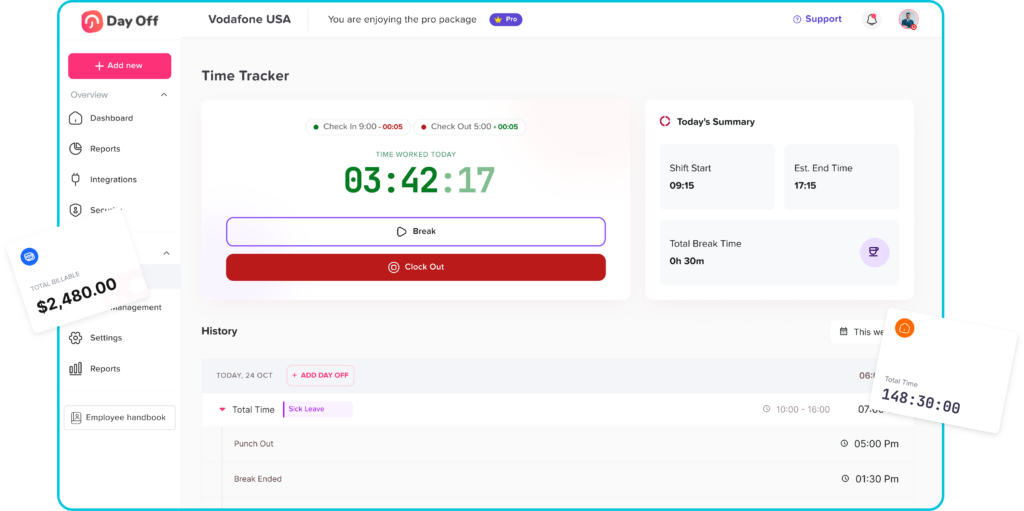
An automated employee timer system is a digital tool that helps companies track when employees start work, pause work, and finish work. It usually includes features such as clock in, clock out, timers, attendance records, work hour reports, and employee timesheets.
Instead of asking employees to fill in their hours manually at the end of the day or week, the system records time as work happens. This gives managers and HR teams more accurate information about attendance and employee availability.
A good automated employee timer system can help businesses track:
- Employee clock in and clock out times
- Total working hours
- Breaks and pauses
- Late arrivals
- Early departures
- Overtime
- Absences
- Remote or hybrid work hours
- Daily, weekly, or monthly attendance records
When this system is connected with leave management, it becomes even more valuable. It does not only show who worked, but also explains why someone may be absent. For example, if an employee does not clock in because they are on approved PTO, the system should make that clear.
Why Employee Time Tracking Matters
Employee time tracking is important because time affects almost every part of workforce management. It impacts productivity, payroll preparation, attendance, scheduling, project planning, and employee accountability.
Without accurate time tracking, businesses may struggle with unclear attendance records, payroll mistakes, and confusion around employee availability. Managers may not know whether an employee is late, absent, working remotely, or on approved leave.
Accurate time tracking helps businesses understand how work hours are being used. It gives managers better visibility and helps HR teams keep clean, reliable records.
For employees, a clear system also creates fairness. When work hours and time off are tracked properly, employees can trust that their attendance, overtime, leave, and PTO balances are being handled correctly.
The Problem with Manual Time and Leave Tracking
Many companies still manage employee time and leave using spreadsheets, paper forms, emails, or chat messages. While this may work for a very small team at the beginning, it becomes difficult as the company grows.
Manual tracking often creates problems such as:
Inaccurate Work Hour Records
Employees may forget to write down their exact start or end time. Managers may update timesheets late. HR teams may have to collect information from different sources. This increases the risk of incorrect records.
Missed Leave Updates
An employee may request leave through email, while another asks through a chat message. A manager may approve the request but forget to update the spreadsheet. This can lead to confusion about who is available.
Payroll Preparation Issues
When time records and leave records are not connected, payroll preparation becomes harder. HR may need to manually check working hours, absences, PTO days, unpaid leave, and overtime before finalizing payroll data.
Lack of Visibility for Managers
Managers need to know who is working and who is away before assigning tasks or approving new leave requests. If information is scattered, it becomes harder to plan team coverage.
More HR Workload
Manual tracking requires constant updates, reminders, corrections, and follow ups. HR teams spend too much time answering questions like “How many PTO days do I have left?” or “Was this absence approved?”
An automated employee timer system reduces these problems by keeping time tracking and leave information organized in one place.
How an Automated Employee Timer System Improves Workforce Management
An automated system gives businesses a more reliable way to manage employee time. It replaces guesswork with accurate records and helps managers make better decisions.
Better Accuracy
Automation reduces human error. Instead of manually entering working hours, employees can clock in and clock out through a digital system. This helps create more accurate attendance and work hour records.
Real Time Visibility
Managers can see employee availability more clearly. They can check who is currently working, who has completed their hours, and who is away. This is especially useful for remote and hybrid teams.
Easier Attendance Monitoring
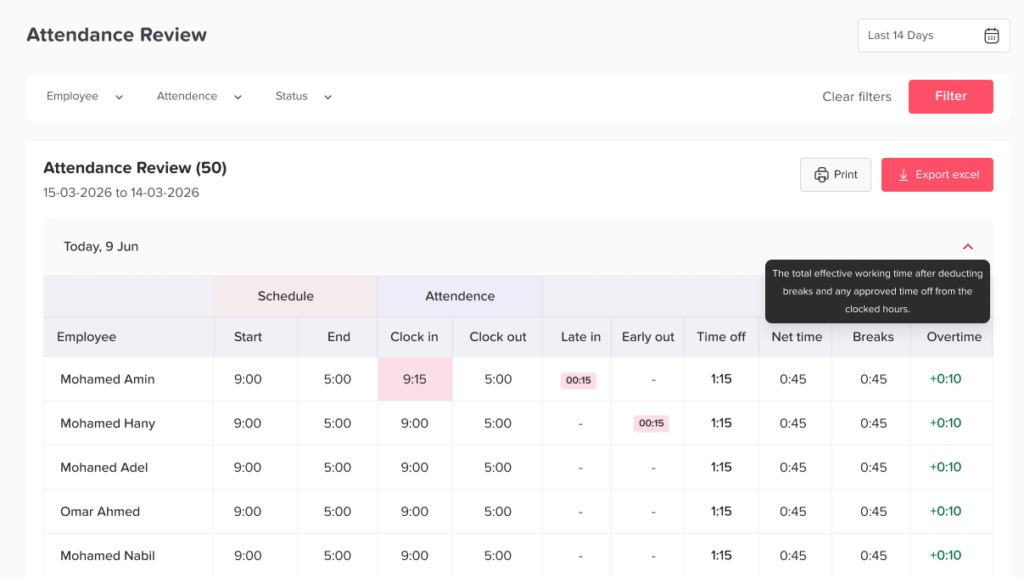
An automated employee timer system helps businesses identify attendance patterns. Managers can spot frequent late arrivals, missed clock ins, early departures, or unusual work hour activity.
Improved Productivity
When employees know their time is being tracked clearly, it encourages accountability. It also helps managers understand how time is being spent across teams or departments.
Faster Reporting
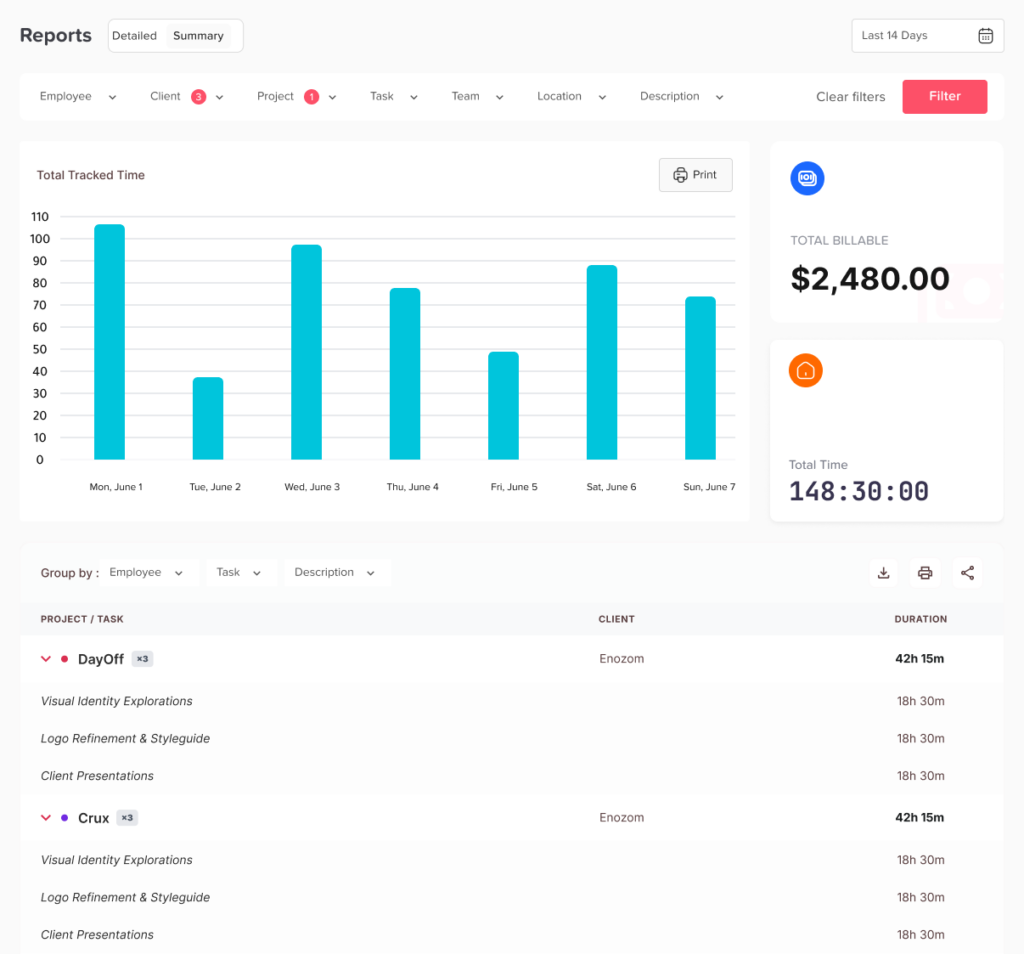
Instead of building reports manually, HR teams can access time and attendance data more quickly. This makes it easier to review working hours, absences, leave trends, and workforce availability.
Why Time Tracking and Leave Management Should Work Together
Employee time and employee leave are closely connected. A person’s availability depends on both their work schedule and their approved time off.
If a company tracks work hours in one system and leave requests in another, managers may not have the full picture. An employee may appear absent in the attendance record, but the reason may be approved vacation, sick leave, unpaid leave, or a public holiday.
Connecting time tracking with leave management helps businesses understand the difference between:
- A working employee
- An employee on approved PTO
- An employee on sick leave
- An employee who missed work without approval
- An employee working fewer hours
- An employee with overtime
- An employee following a flexible schedule
This connection improves accuracy and reduces confusion. It helps HR, managers, and employees stay aligned.
Managing PTO with an Automated Employee Timer System
Paid time off is one of the most important parts of employee leave management. Employees need to know how much PTO they have available, managers need to approve requests based on team coverage, and HR needs to maintain accurate balances.
An automated employee timer system becomes more useful when it works alongside PTO tracking. When an employee takes approved leave, the system should reflect that in availability records. This helps managers understand that the employee is not missing work without reason.
For example, if an employee is scheduled to work on Monday but has approved PTO, the system should show that the employee is away on leave. This prevents confusion and helps teams plan around the absence.
A strong PTO tracking process should include:
- Leave request submission
- Manager approval or rejection
- PTO balance updates
- Shared leave calendar
- Leave history
- Reports for HR
- Visibility for employees and managers
When PTO tracking is combined with employee time tracking, companies can manage both worked time and time off more clearly.
Benefits of Using an Automated Employee Timer System for Leave Management
Clear Employee Availability
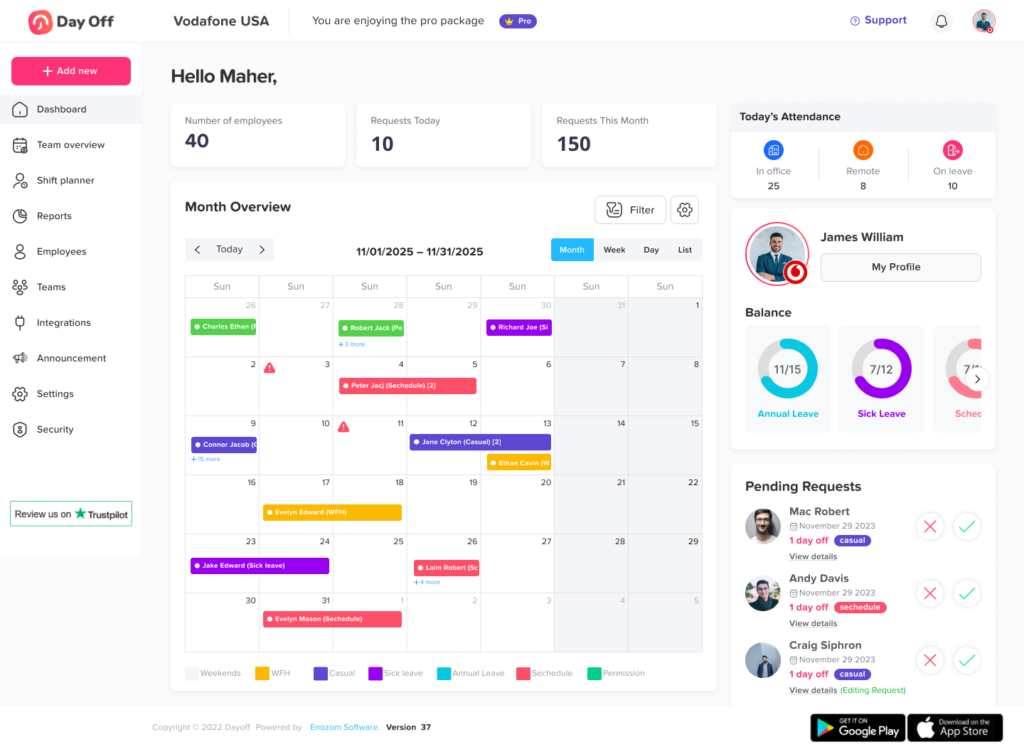
One of the biggest advantages is visibility. Managers can quickly see who is working, who is on leave, and who may be unavailable. This helps with daily planning, task assignment, and team coordination.
Fewer Manual Updates
Automation reduces the need for manual data entry. HR does not need to constantly update spreadsheets or collect leave information from different channels.
Better Team Planning
Before approving leave, managers can review who else is already away. This helps avoid overlapping absences that may affect operations.
More Accurate PTO Balances
When leave requests are approved and tracked properly, PTO balances are easier to maintain. Employees can check their available balance without constantly asking HR.
Improved Payroll Support
Payroll often depends on accurate records of working hours, absences, overtime, unpaid leave, and PTO. An automated system helps organize this information and reduce payroll-related errors.
Increased Employee Accountability
Employees are more likely to follow time and attendance policies when the process is clear and consistent. A timer system makes expectations easier to understand.
Reduced HR Workload
HR teams can spend less time answering repeated questions, correcting records, and following up on missing information. This gives them more time to focus on higher-value work.
Important Features to Look for in an Automated Employee Timer System
Not every system offers the same level of functionality. Businesses should choose a solution that fits their workflow, team size, and leave management needs.
Clock In and Clock Out
Employees should be able to easily record when they start and finish work. The process should be simple, fast, and accessible.
Timer Based Tracking
A timer feature allows employees to track active work time. This is useful for teams that need to monitor hours more closely.
Timesheets
Timesheets help employees and managers review daily, weekly, or monthly work-hour records. They also support reporting and payroll preparation.
Leave Management
The system should support PTO, sick leave, vacation days, unpaid leave, and other custom leave types.
PTO Balance Tracking
Employees should be able to see their remaining leave balance. HR should be able to manage balances based on company policies.
Approval Workflows
Managers should be able to approve or reject leave requests easily. This keeps the process organized and transparent.
Shared Leave Calendar
A shared calendar helps everyone understand team availability. It makes it easier to avoid scheduling conflicts and overlapping leave.
Reports and Exports
Reports help HR and managers review attendance, leave usage, employee availability, and time-off trends.
Mobile and Web Access
Employees should be able to use the system from different devices, especially if the company has remote, hybrid, or field-based workers.
Integrations
Integrations with tools like Slack, Microsoft Teams, Google Calendar, and Outlook Calendar can help teams manage time and leave inside the tools they already use.
How Automated Time Tracking Helps Remote and Hybrid Teams
Remote and hybrid work have made employee time management more complex. Employees may work from different locations, follow flexible schedules, or operate across multiple time zones.
In this environment, managers cannot always rely on physical presence to understand who is working. An automated employee timer system gives teams a clearer way to track work hours and availability.
For remote teams, it helps answer questions such as:
- Has the employee started work?
- Is the employee currently available?
- Is the employee on approved leave?
- How many hours were worked today?
- Are there attendance issues that need attention?
For hybrid teams, it helps create consistency between office-based and remote employees. Everyone follows the same process for tracking time and requesting leave, which improves fairness and transparency.
How Automated Time and Leave Tracking Supports Small Businesses
Small businesses often start with manual processes because they seem simple and affordable. But as the team grows, manual tracking can become time-consuming and risky.
An automated employee timer system helps small businesses build better habits early. It allows them to manage work hours, PTO, attendance, and leave requests without creating unnecessary admin work.
For small businesses, automation can help:
- Save time on HR tasks
- Reduce payroll mistakes
- Keep records organized
- Improve employee trust
- Support business growth
- Make team availability easier to understand
- Avoid confusion around absences
Instead of waiting until manual tracking becomes a serious problem, small businesses can use automation to create a more organized workflow from the beginning.
How Day Off Helps Businesses Manage Employee Leave
Day Off is designed to help businesses manage employee leave, PTO tracking, vacation requests, approvals, and team availability in one place. It gives HR teams, managers, and employees a simpler way to handle time off without relying on spreadsheets or scattered messages.
With Day Off, businesses can manage different leave types, track PTO balances, set company policies, use approval workflows, and view approved time off through a shared calendar. This helps managers plan better and helps employees understand their available leave.
Day Off also supports teams through web and mobile access, making it easier for employees to request leave and for managers to respond from anywhere. Integrations with tools such as Slack, Microsoft Teams, Google Calendar, and Outlook Calendar help keep leave information visible across the platforms teams already use.
For businesses that want to manage employee time and leave more effectively, Day Off provides a strong foundation for organizing PTO, absences, approvals, and workforce availability.
Best Practices for Using an Automated Employee Timer System
Set Clear Time Tracking Rules
Employees should know when they need to clock in, clock out, record breaks, or update their work hours. Clear rules prevent confusion.
Connect Attendance with Leave Policies
Time tracking should not be separated from leave management. Employees and managers need to understand how PTO, sick leave, unpaid leave, and absences affect attendance records.
Train Employees Properly
A system is only effective when people know how to use it. Give employees simple instructions on how to track time, request leave, and check balances.
Review Reports Regularly
Managers and HR teams should review attendance and leave reports to identify patterns, prevent issues, and improve planning.
Keep Leave Policies Updated
Company policies may change as the business grows. Make sure leave types, accrual rules, approval flows, and employee balances stay updated.
Use a Shared Calendar
A shared leave calendar gives teams better visibility and helps avoid scheduling problems. It is one of the simplest ways to improve team planning.
Make the Process Easy for Employees
The easier the system is to use, the more likely employees are to follow it correctly. Choose a tool that is simple, accessible, and clear.
Common Mistakes to Avoid
Using Too Many Separate Tools
When time tracking, leave requests, calendars, and reports are managed in separate places, information can become inconsistent. A centralized system is usually easier to manage.
Ignoring Employee Experience
If the system is complicated, employees may forget to use it or make mistakes. Simplicity is important.
Not Reviewing Attendance Data
Collecting time data is useful only if managers and HR teams review it. Reports should be used to improve planning and solve problems early.
Approving Leave Without Checking Coverage
Managers should always check team availability before approving time off. This helps avoid staffing gaps and overlapping absences.
Keeping PTO Balances Manually
Manual PTO balance updates can lead to errors. Automated tracking helps keep balances more accurate and transparent.
Why Automation Is the Future of Employee Time and Leave Management
Workplaces are becoming more flexible, distributed, and fast-moving. Employees may work from home, the office, different branches, or different countries. Some may follow fixed schedules, while others follow flexible or rotating schedules.
Because of this, businesses need better systems to manage employee time and leave. Manual tracking is no longer enough for teams that want accuracy, speed, and visibility.
An automated employee timer system helps companies build a more organized workforce management process. It improves attendance tracking, supports leave management, reduces HR workload, and gives managers the information they need to plan effectively.
When time tracking and leave management work together, companies gain a complete view of employee availability. They can see who is working, who is away, who has approved PTO, and how employee time is being used.
FAQ
What is an automated employee timer system?
An automated employee timer system is a digital tool that tracks employee work hours, clock-in times, clock-out times, breaks, attendance, and timesheets. It helps businesses manage employee time more accurately and reduce manual tracking.
Why should businesses use an automated employee timer system?
Businesses should use an automated employee timer system because it improves accuracy, reduces manual HR work, supports payroll preparation, and gives managers better visibility into employee attendance and availability.
Can an automated employee timer system help with leave management?
Yes. When connected with leave management, an automated employee timer system helps businesses understand whether an employee is working, on approved PTO, on sick leave, or absent without approval.
How does time tracking improve PTO management?
Time tracking improves PTO management by connecting employee attendance with approved leave. This helps HR and managers avoid confusion when employees are away from work.
Is an automated employee timer system useful for remote teams?
Yes. It is very useful for remote and hybrid teams because it helps managers see who is working, who is available, and who is on leave, even when employees are not in the same physical location.
What features should an automated employee timer system include?
A good system should include clock in and clock out, timesheets, attendance reports, PTO tracking, leave approvals, shared calendars, employee availability, mobile access, and useful integrations.
How does Day Off help with employee leave management?
Day Off helps businesses manage PTO, leave requests, approvals, balances, shared calendars, and employee availability in one place. It makes time off management easier for HR teams, managers, and employees.
Conclusion
An automated employee timer system is more than a digital clock. It is an important tool for managing employee time, attendance, PTO, and leave more accurately. It helps businesses reduce manual work, improve visibility, support payroll preparation, and create a clearer employee experience.
For HR teams, it saves time and reduces errors. For managers, it improves planning and accountability. For employees, it creates transparency around work hours and time off.
As businesses continue to grow and workplace models become more flexible, managing employee time and leave in one connected system is becoming essential. Tools like Day Off help companies organize PTO tracking, leave requests, shared calendars, approvals, and employee availability so teams can work smarter and plan with confidence.