







Employee leave policies play a critical role in workplace satisfaction, productivity, and work-life balance. However, many employees and even some managers are unsure about the difference between PTO (Paid Time Off) and vacation time. While these terms are often used interchangeably, they represent two distinct approaches to managing employee leave.
Understanding how PTO and vacation time work can help organizations create better leave policies, improve employee experiences, and streamline leave management processes. Whether you’re an HR professional, a business owner, or an employee trying to understand your benefits, this guide explains everything you need to know.

We’ll also explore how Day Off helps businesses efficiently manage PTO, vacation days, sick leave, and other employee absences in one centralized platform.
What Is PTO (Paid Time Off)?
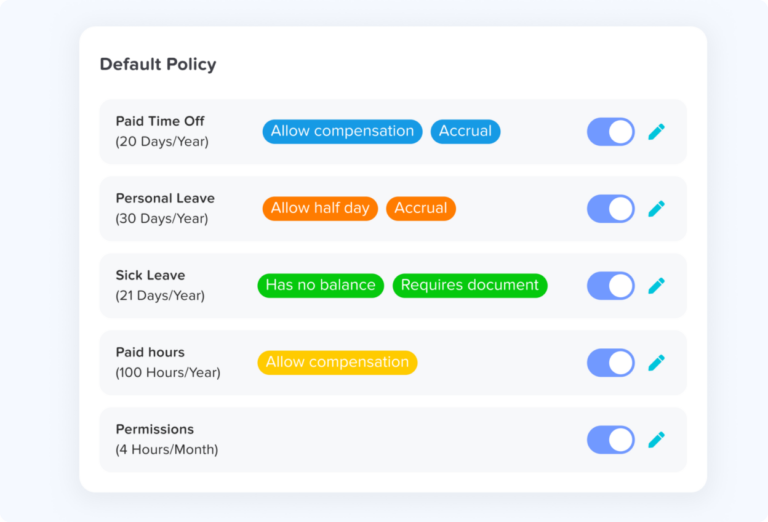
Paid Time Off (PTO) is a leave policy that combines multiple types of paid leave into a single balance that employees can use for various personal reasons. Instead of allocating separate buckets for vacation leave, personal days, and sometimes sick leave, employers provide employees with one PTO balance that they can use whenever they need time away from work.
For example, an employee might receive 20 PTO days per year. They can use these days for a family vacation, a doctor’s appointment, a personal emergency, or simply a day to recharge and focus on their well-being.
The main advantage of PTO is flexibility. Employees are not required to explain or categorize every absence, which gives them more control over how they use their benefits. This flexibility has made PTO one of the most popular leave policies among modern organizations, particularly companies focused on employee autonomy and work-life balance.
Benefits of PTO
Greater Flexibility for Employees
One of the biggest advantages of PTO is the freedom it provides. Employees can decide how to use their time based on their individual circumstances rather than fitting their needs into predefined leave categories. This creates a more employee-centric workplace culture and reduces unnecessary administrative restrictions.
Simpler Leave Management
From an HR perspective, PTO policies are often easier to manage because there is only one leave balance to track. This simplifies recordkeeping, reporting, and employee communication while reducing confusion around different leave types.
Improved Employee Satisfaction
Employees appreciate having greater control over their time off. When workers feel trusted to manage their own leave responsibly, it can improve morale, engagement, and overall job satisfaction.
Potential Challenges of PTO
Despite its benefits, PTO is not without challenges. Some employees may avoid taking vacations because they want to preserve their PTO balance for unexpected illnesses or emergencies. As a result, they may miss out on the restorative benefits of taking extended breaks from work.
Organizations using PTO policies should encourage employees to regularly use their leave to prevent burnout and maintain long-term productivity.
What Is Vacation Time?
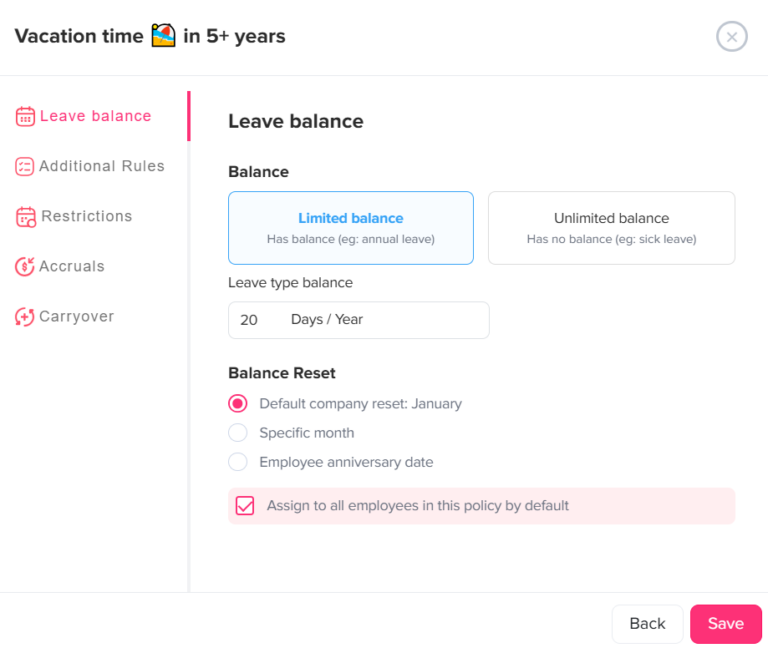
Vacation time refers to a specific category of paid leave that is intended exclusively for personal relaxation, travel, and leisure activities. Unlike PTO, vacation days are separate from other leave types such as sick leave, personal days, or family leave.
Under a traditional leave structure, an employee may receive:
- 15 vacation days
- 10 sick days
- 3 personal days
- Each category serves a distinct purpose and is tracked separately.
Vacation time is designed to encourage employees to disconnect from work, recharge mentally and physically, and return refreshed. Research consistently shows that employees who take regular vacations experience lower stress levels, improved well-being, and higher job satisfaction.
Benefits of Vacation Time
Encourages Employees to Take Meaningful Breaks
Because vacation days are specifically designated for leisure and personal time, employees are often more likely to take actual vacations. This can help reduce stress, prevent burnout, and improve overall workplace performance.
Protects Sick Leave Balances
When vacation days and sick leave are separated, employees don’t have to choose between recovering from an illness and taking a planned vacation. This creates a healthier and more supportive work environment.
Provides Better Leave Insights
Separate leave categories can give HR teams greater visibility into employee absence trends. Organizations can better understand how leave is being used and make informed decisions about future policy improvements.
Potential Challenges of Vacation Time
Managing multiple leave categories often requires more administrative effort. Employees must understand different rules for different leave types, and HR teams need systems capable of accurately tracking each balance.
Without the right leave management solution, this complexity can lead to errors, confusion, and increased administrative workload.
PTO vs. Vacation Time: What Are the Key Differences?
Although PTO and vacation time both allow employees to take paid leave, their structure and purpose differ significantly.
PTO focuses on flexibility by combining multiple leave types into a single balance. Vacation time, on the other hand, is dedicated specifically to rest and personal enjoyment while keeping other leave categories separate.
Organizations that prioritize employee flexibility often prefer PTO systems. Businesses that want clearer distinctions between leave types may choose traditional vacation policies.
Neither approach is inherently better. The right choice depends on company culture, workforce needs, compliance requirements, and organizational goals.
Why Effective Leave Management Matters
Regardless of whether your organization offers PTO, vacation leave, sick leave, or a combination of policies, managing employee absences effectively is essential.
Poor leave management can create numerous challenges, including:
- Scheduling conflicts
- Payroll inaccuracies
- Reduced team visibility
- Employee frustration
- Increased HR workload
- Compliance risks
As companies grow, manual spreadsheets and email-based approval processes often become difficult to maintain. This is why many organizations are investing in dedicated leave management software.
How Day Off Helps Businesses Manage PTO and Vacation Time
For organizations managing PTO, vacation leave, and other employee absences, having the right leave management system is just as important as having the right leave policy. While PTO and vacation time help employees maintain a healthy work-life balance, tracking leave manually can become challenging as teams grow. Spreadsheets, email approvals, and manual calculations often lead to errors, confusion, and unnecessary administrative work.
This is where Day Off can make a significant difference. Day Off is a leave management solution designed to simplify the entire time off process for employees, managers, and HR teams. Instead of spending time tracking leave balances, calculating accruals, or managing approval requests through multiple channels, organizations can handle everything in one centralized platform.
Easy Leave Requests and Approvals
With Day Off, employees can quickly submit PTO, vacation, sick leave, or other time off requests from their mobile device or desktop. Managers receive instant notifications and can review, approve, or decline requests with just a few clicks. This streamlined approval process improves communication and eliminates the delays often associated with email-based leave management.
Automatic Leave Balance Tracking
Keeping track of employee leave balances manually can be time-consuming and prone to errors. Day Off automatically updates leave balances, tracks accruals, and records leave usage in real time. Employees can easily view their remaining PTO or vacation days, while managers and HR teams always have access to accurate leave data.
Team Calendar and Availability Overview
One of the most useful features of Day Off is its shared team calendar. Managers can instantly see who is working, who is on leave, and where potential scheduling conflicts may occur. This visibility helps teams plan workloads more effectively and prevents staffing shortages caused by overlapping leave requests.
Support for Multiple Leave Types
Every organization has different leave policies. Day Off supports a wide variety of leave categories, including PTO, vacation leave, sick leave, personal leave, maternity leave, paternity leave, unpaid leave, remote work requests, and custom leave types. This flexibility makes it easy for businesses to manage all employee absences from a single platform.
Customizable Leave Policies
Companies can create leave policies that match their specific requirements. Whether your business offers accrued PTO, annual vacation allowances, carryover rules, or department-specific leave policies, Day Off provides the flexibility needed to accommodate different organizational structures and employee needs.
Reporting and Leave Insights
Day Off provides valuable reporting tools that help HR teams and managers monitor leave usage across the organization. These insights can be used to identify absence trends, track employee leave balances, improve workforce planning, and make more informed decisions about leave policies.
Mobile Access Anytime, Anywhere
Modern workplaces require flexibility, and Day Off delivers that through its mobile-friendly experience. Employees can request leave, check balances, and view team schedules from anywhere, while managers can approve requests on the go. This convenience helps keep leave management efficient regardless of location.
Reduced Administrative Work for HR Teams
By automating leave tracking, approvals, notifications, and reporting, Day Off significantly reduces the amount of manual work required to manage employee absences. HR teams can spend less time handling routine administrative tasks and more time focusing on strategic initiatives that support company growth and employee satisfaction.
Why Businesses Choose Day Off
Whether your organization uses a flexible PTO model, a traditional vacation policy, or a combination of multiple leave types, Day Off makes leave management simpler and more transparent. By centralizing requests, automating calculations, improving visibility, and streamlining approvals, Day Off helps businesses save time, reduce errors, and create a better employee experience.
Which Leave Policy Is Best for Your Organization?
Choosing between a PTO policy and a traditional vacation leave policy is not always straightforward. Both approaches offer valuable benefits, and the right choice depends on your organization’s goals, company culture, workforce needs, and administrative preferences.
Rather than asking which policy is universally better, employers should focus on determining which option best supports their employees while aligning with business objectives. A well-designed leave policy can improve employee satisfaction, reduce burnout, and simplify leave management across the organization.
Choose PTO If Flexibility Is a Priority
PTO policies are ideal for organizations that want to give employees greater control over how they use their time off. By combining multiple leave types into a single balance, employees can decide when and why they need time away from work without being restricted by separate leave categories.
This flexibility is particularly attractive to modern workforces that value autonomy and work-life balance. Employees can use their PTO for vacations, personal commitments, family responsibilities, appointments, or unexpected situations based on their individual needs.
For employers, PTO policies often simplify administration by reducing the number of leave balances that need to be tracked and maintained.
Choose Vacation Time If Structure Is Important
A traditional vacation leave policy may be a better fit for organizations that prefer a more structured approach to employee leave. By separating vacation days from sick leave and personal leave, employers can ensure that employees have dedicated time available for rest and relaxation.
This structure can encourage employees to take actual vacations without worrying about using the same leave balance they may need for illness or emergencies later in the year.
Many organizations also prefer separate leave categories because they provide greater visibility into how employees use different types of leave, making reporting and workforce planning easier.
Consider Your Company Culture
Company culture plays a significant role in determining which leave policy will be most successful. Organizations that emphasize flexibility, trust, and employee independence often find that PTO policies align well with their values.
On the other hand, companies that operate in highly regulated industries or have established HR processes may prefer traditional vacation and sick leave policies because they offer clearer guidelines and more structured leave management.
The best leave policy is one that employees can easily understand and that supports the way your organization operates.
Think About Administrative Complexity
Leave management becomes increasingly challenging as organizations grow. Companies with multiple departments, locations, or leave policies may find that tracking separate vacation, sick, and personal leave balances requires more administrative effort.
PTO policies can simplify this process by consolidating leave into a single balance. However, organizations using traditional leave structures can still manage complexity effectively with the right leave management software.
Tools like Day Off help businesses automate leave tracking, approval workflows, and balance calculations regardless of the leave policy they choose.
Consider Employee Preferences
Employee expectations continue to evolve, and understanding what your workforce values can help guide your decision. Some employees appreciate the flexibility of PTO because it allows them to use leave however they choose. Others prefer separate vacation and sick leave balances because they feel more secure knowing illness won’t reduce their vacation time.
Gathering employee feedback through surveys or discussions can provide valuable insights into which approach is likely to deliver the best experience for your team.
The Right Policy Is the One Employees Can Easily Use
Ultimately, the success of any leave policy depends on how easy it is for employees to understand, request, and manage their time off. Even the most generous PTO or vacation policy can create frustration if employees struggle to check balances, submit requests, or understand company rules.
Regardless of whether your organization chooses a flexible PTO model or a traditional vacation leave structure, investing in a reliable leave management solution is essential. By providing clear policies, transparent processes, and easy-to-use tools, businesses can create a leave experience that benefits both employees and employers.
Frequently Asked Questions (FAQs)
Is PTO the same as vacation time?
No, PTO and vacation time are not the same. PTO (Paid Time Off) is a broader leave policy that combines multiple types of leave, such as vacation days, personal days, and sometimes sick leave, into a single balance. Vacation time is a specific category of leave intended for rest, travel, and personal activities. While vacation days can be part of a PTO policy, they are often tracked separately in traditional leave structures.
What does PTO stand for?
PTO stands for Paid Time Off. It is a type of employee benefit that allows workers to take time away from work while continuing to receive their regular pay. Depending on company policy, PTO may cover vacations, personal appointments, family obligations, and other approved absences.
Can employees use PTO for sick days?
In many organizations, yes. Companies that use a PTO policy typically allow employees to use their PTO balance for illness, medical appointments, personal matters, or vacations. However, some employers maintain separate sick leave policies, so employees should always review their company’s leave guidelines.
Do unused PTO days expire?
This depends on the employer’s leave policy and local labor laws. Some companies allow employees to carry unused PTO into the next year, while others implement a “use-it-or-lose-it” policy or place limits on how much leave can be carried over. Certain jurisdictions may also require employers to pay out unused PTO under specific circumstances.
Is PTO paid when an employee leaves a company?
The answer varies by company policy and local regulations. In some regions, unused PTO is considered earned compensation and must be paid out when an employee resigns or is terminated. In others, employers may not be legally required to provide a payout. Employees should consult their employment agreement or HR department for clarification.
What is the difference between PTO and sick leave?
PTO is usually a flexible leave balance that can be used for multiple purposes, including illness, vacation, and personal time. Sick leave, on the other hand, is specifically designated for health-related absences. Organizations with separate sick leave policies often provide dedicated leave that employees can use when they are ill or need medical care.
What is an unlimited PTO policy?
Unlimited PTO is a leave policy that allows employees to take as much paid time off as needed, provided their work responsibilities are fulfilled and management approves the absence. While unlimited PTO can offer greater flexibility, organizations often establish guidelines to ensure fairness and maintain productivity.
Which is better for employees: PTO or vacation time?
Neither option is universally better. PTO offers greater flexibility because employees can decide how to use their leave. Vacation time provides dedicated days for rest and relaxation while keeping sick leave separate. The best choice depends on employee preferences, company culture, and organizational goals.
How can businesses track PTO and vacation time effectively?
Many businesses use leave management software to automate leave tracking, approval workflows, accrual calculations, and reporting. Solutions like Day Off help organizations manage PTO, vacation leave, sick leave, and other absence types from a single platform, reducing administrative work and improving accuracy.
Why is leave management important for businesses?
Effective leave management helps organizations maintain productivity, avoid scheduling conflicts, ensure compliance with company policies, and improve employee satisfaction. A clear and transparent leave process also reduces confusion and makes it easier for employees to understand and use their benefits.
How does Day Off help manage employee leave?
Day Off simplifies leave management by providing tools for leave requests, approvals, balance tracking, team calendars, reporting, and policy management. Businesses can manage PTO, vacation leave, sick leave, remote work requests, and custom leave types in one centralized system, making employee time off management more efficient and transparent.
Conclusion
PTO and vacation time both help employees take meaningful time away from work, but they differ in how leave is structured and managed. PTO offers greater flexibility, while vacation time provides dedicated days for rest and relaxation. The right choice depends on your organization’s goals, culture, and employee needs.
No matter which leave policy you choose, having an efficient system to manage employee absences is essential. With Day Off, businesses can easily track leave balances, streamline approvals, and manage PTO, vacation days, and other leave types from one centralized platform, creating a better experience for employees, managers, and HR teams alike.