







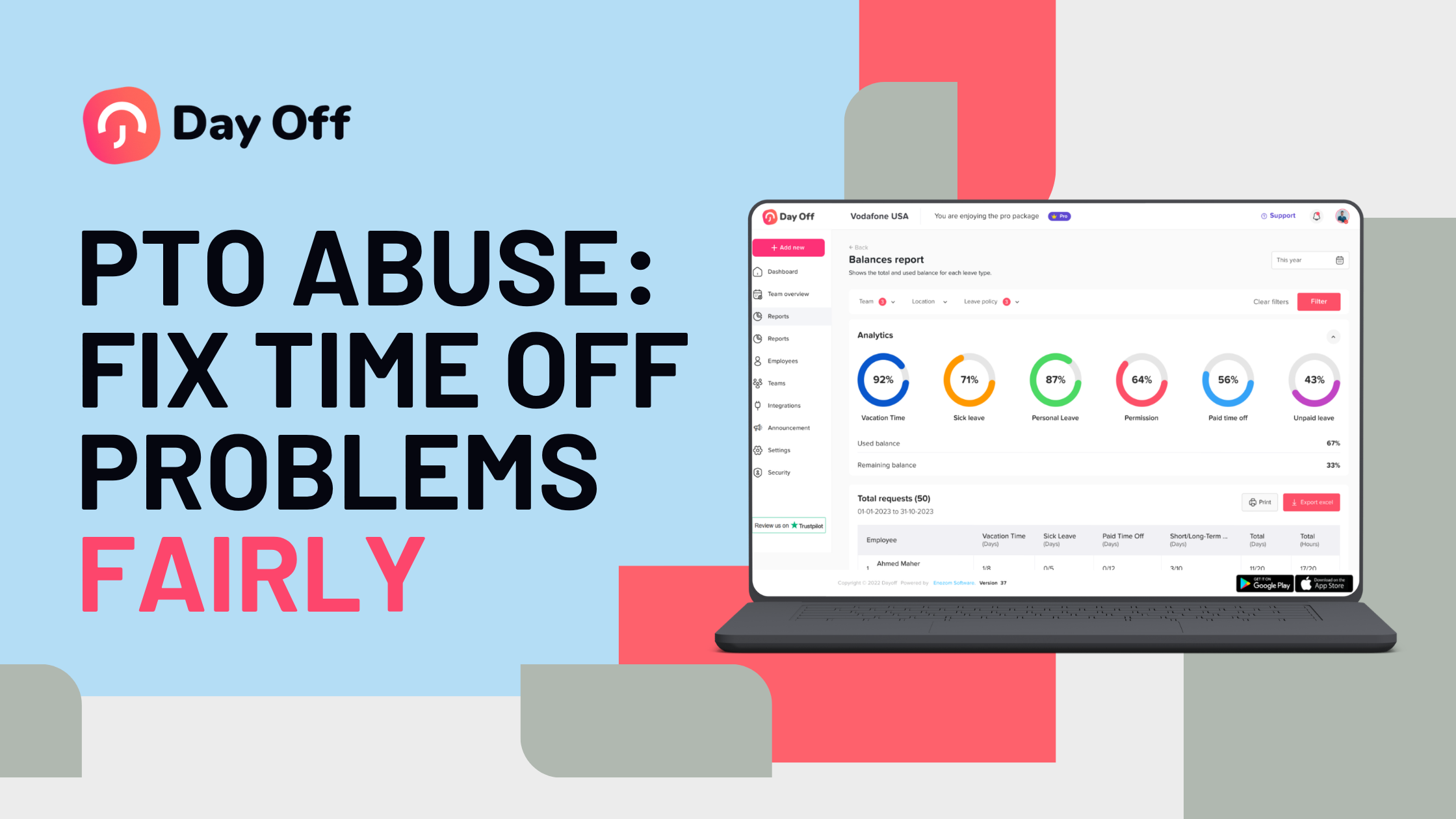
PTO is supposed to help employees rest, recover, handle personal needs, and return to work with better focus. A healthy paid time off policy supports trust, reduces burnout, and helps companies build a better workplace culture.
But what happens when time off becomes a repeated problem?
Some employees may frequently request PTO at the last minute, call out before or after weekends, use sick leave without following the policy, take more time than they have available, or create repeated coverage issues for the team. These situations are often described as PTO abuse, but HR and managers need to be careful with that term.

Not every repeated absence is abuse. Some employees may be dealing with health issues, family responsibilities, burnout, personal emergencies, unclear policies, or poor communication from management. Other times, the problem is not the employee at all. It may be a weak leave process, inconsistent approvals, unclear rules, or manual tracking that makes PTO hard to manage fairly.
That is why companies should handle repeated time off problems with structure, documentation, consistency, and empathy.
In this guide, we will explain what PTO abuse means, common warning signs, what HR should review before taking action, how to create a fair PTO process, and how Day Off helps teams track PTO, leave balances, requests, approvals, schedules, reports, and absence patterns more clearly.
What Is PTO Abuse?
PTO abuse happens when an employee repeatedly uses paid time off in a way that violates company policy, creates avoidable disruption, or shows a pattern of misuse.
It may include repeated unplanned absences, last-minute requests without a valid reason, using PTO after a request was denied, taking time off without enough balance, or frequently calling out during busy work periods.
However, PTO abuse should not be assumed too quickly. A pattern may look suspicious at first, but there may be a valid reason behind it. For example, an employee may have a medical issue, caregiving responsibility, disability-related need, or other protected leave situation.
A fair process starts with facts, not assumptions.
Why PTO Abuse Is a Sensitive HR Issue
PTO abuse is sensitive because time off is connected to employee wellbeing, health, family needs, workplace trust, and legal compliance.
If managers react too harshly, employees may feel punished for using a benefit they earned. If managers ignore repeated issues, other team members may feel the policy is unfair. If HR does not document properly, the company may struggle to handle disputes.
The goal is not to stop employees from taking time off. The goal is to make sure PTO is used according to the policy, approved fairly, tracked accurately, and managed in a way that protects both employees and business operations.
Common Examples of PTO Abuse
PTO abuse can look different from one company to another. These are some common examples HR teams and managers may notice.
Repeated Last-Minute PTO Requests
Occasional last-minute PTO is normal. Employees may have emergencies, sudden illness, family issues, or unexpected events.
But if an employee repeatedly requests PTO at the last minute for non-urgent reasons, it can create planning problems. Managers may need to rearrange shifts, delay work, or ask other employees to cover.
This is especially difficult for small teams, customer support teams, retail stores, restaurants, field teams, healthcare teams, and any workplace where coverage matters.
Frequent Absences Before or After Weekends
One common pattern is repeated absence on Fridays, Mondays, or days next to public holidays.
This does not automatically mean abuse. There may be a valid reason. But if the pattern happens often and creates coverage issues, managers should review it carefully and consistently.
Taking PTO Without Approval
Some employees may assume PTO is approved before receiving confirmation. Others may take leave after a request was rejected or before a manager has reviewed it.
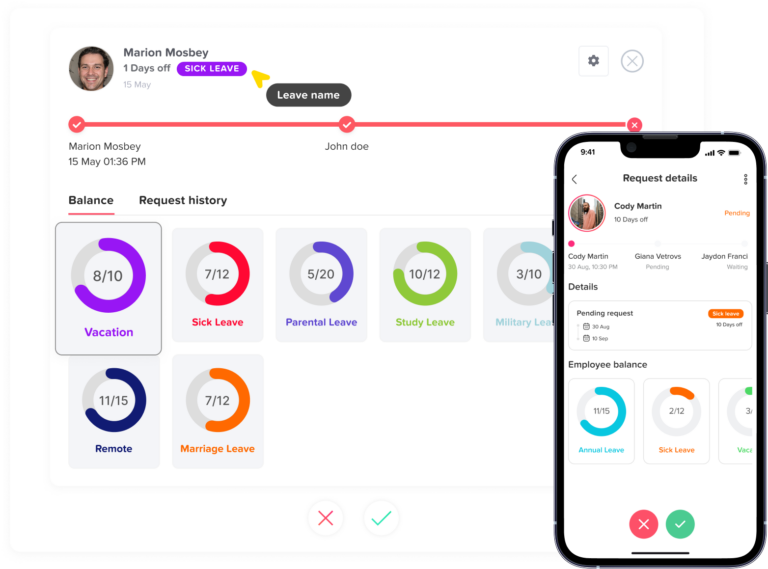
This can cause serious scheduling problems. A clear approval workflow helps prevent confusion because employees know that time off is not confirmed until it is approved.
Exceeding Available PTO Balance
Employees may request more PTO than they have available. In some companies, negative PTO balances are allowed. In others, employees cannot go below zero unless HR approves an exception.
Problems happen when the rules are unclear. If one employee is allowed to exceed their balance and another is not, the policy may feel unfair.
Using Sick Leave as Extra Vacation
Sick leave is meant for illness, medical needs, or other allowed reasons based on company policy and applicable laws. If an employee repeatedly uses sick leave in a pattern that does not match the policy, HR may need to review the situation.
This must be handled carefully. Health-related absences may involve privacy, disability, medical leave, or protected leave rules. Managers should avoid asking inappropriate medical questions and should involve HR when needed.
Ignoring PTO Notice Requirements
Many companies require employees to request planned PTO a certain number of days or weeks in advance.
For example, a policy may ask employees to submit vacation requests at least two weeks before the planned absence.
If an employee repeatedly ignores the notice rule, it can make scheduling harder and create frustration for managers and coworkers.
Creating Repeated Coverage Problems
PTO becomes a business issue when repeated absences leave a team understaffed, delay customer service, interrupt project delivery, or require the same coworkers to cover again and again.
A good leave process should help managers see overlapping requests before approving time off.
Misreporting Leave Reasons
Some companies track different leave types separately, such as vacation, sick leave, unpaid leave, personal leave, emergency leave, or bereavement leave.
If employees choose the wrong leave type to avoid a policy limit or approval rule, HR may need to correct the record and explain the policy.
PTO Abuse vs Legitimate Time Off
Before taking action, it is important to separate possible abuse from legitimate time off.
Employees may need repeated time off for many valid reasons, including:
- Health conditions
- Medical appointments
- Family caregiving
- Childcare issues
- Mental health needs
- Burnout
- Transportation problems
- Religious or cultural observances
- Personal emergencies
- Disability-related needs
- Protected leave situations
- Workplace stress or workload issues
Managers should not assume bad intent just because an employee has frequent absences. Instead, they should review the pattern, check the policy, confirm documentation, and involve HR when appropriate.
A fair process asks: “What is happening, and how do we handle it consistently?”
It does not begin with: “This employee is abusing PTO.”
Why PTO Abuse Happens
PTO abuse can happen because of employee behavior, but it can also happen because the company’s process is unclear.
Here are some common causes.
Unclear PTO Policy
If employees do not understand how PTO works, mistakes become more likely.
A policy should clearly explain:
- How much PTO employees receive
- How PTO is earned
- How to request time off
- How much notice is required
- Who approves requests
- What happens if a request is denied
- Whether negative balances are allowed
- How sick leave should be used
- What documentation may be required
- How emergency leave is handled
- What happens with repeated unplanned absences
If the policy is vague, employees and managers may interpret it differently.
Inconsistent Manager Decisions
PTO problems often grow when managers apply rules differently.
For example, one manager may approve last-minute vacation requests, while another rejects them. One employee may be allowed to go negative, while another is not. One team may require advance notice, while another does not.
Inconsistent approvals can create frustration and make it harder to enforce the policy later.
Manual Tracking
Spreadsheets, emails, chat messages, and paper forms make PTO harder to control.
When requests are scattered across tools, managers may miss requests, HR may calculate balances incorrectly, and employees may not know whether leave was approved.
Manual tracking also makes it difficult to identify patterns, such as repeated Monday absences or frequent balance issues.
No Shared Leave Calendar
Without a team leave calendar, managers may approve requests without realizing several employees are already off.
This can make PTO look like a performance problem when the real issue is poor visibility.
No Clear Process for Emergencies
Employees sometimes need urgent leave. If there is no emergency leave process, they may use sick leave, vacation, unpaid leave, or informal messages inconsistently.
A clear process helps employees report urgent absences properly and helps managers respond fairly.
Low Employee Trust
If employees feel discouraged from taking PTO, they may wait until the last minute or call out instead of requesting time off in advance.
A healthy PTO culture encourages employees to plan leave early and communicate clearly.
How PTO Abuse Affects the Business
Repeated time off problems can affect more than one employee. They can impact the whole team.
Reduced Team Coverage
When employees are unexpectedly absent, managers may need to reassign work quickly. This can affect customer support, project deadlines, service quality, shift coverage, and daily operations.
More Work for Other Employees
If the same employees keep covering for repeated absences, they may become frustrated or burned out.
This can damage morale and create resentment, especially if employees believe PTO rules are not applied fairly.
Payroll and Balance Errors
When PTO is not tracked correctly, payroll mistakes can happen.
Employees may be paid for unapproved leave, unpaid leave may be missed, or balances may be deducted incorrectly.
Manager Frustration
Managers need clear information to make fair decisions. If they cannot see balances, history, pending requests, or team availability, PTO approvals become stressful and inconsistent.
Lower Trust in the Policy
Employees are more likely to trust the PTO policy when it is applied consistently. If repeated problems are ignored, the policy may lose credibility.
How to Handle PTO Abuse Fairly
Handling PTO abuse does not mean jumping straight to discipline. A fair process should be structured, documented, and consistent.
Review the PTO Policy First
Before speaking with the employee, HR and the manager should review the company policy.
Check whether the policy clearly explains:
- Notice requirements
- Approval rules
- Sick leave rules
- Negative balance rules
- Emergency leave process
- Documentation requirements
- Attendance expectations
- Consequences for repeated violations
If the policy is unclear, the first step may be improving the policy rather than blaming the employee.
Look at the Actual Records
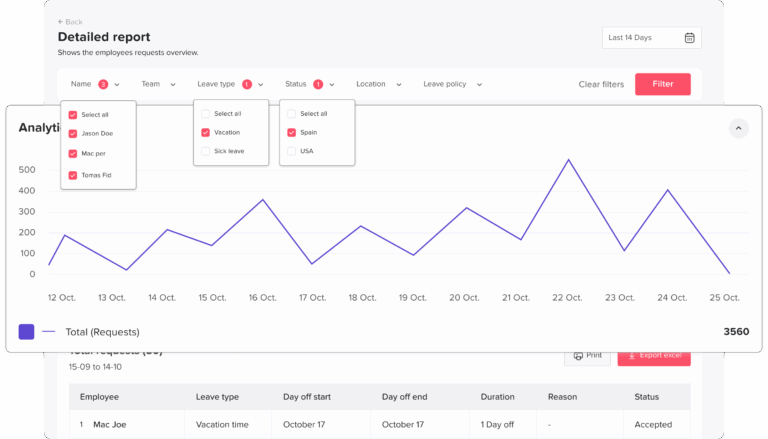
Do not rely on memory or assumptions. Review actual PTO records.
Look for:
- Number of requests
- Dates requested
- Leave types used
- Approved vs denied requests
- Balance history
- Unplanned absences
- Repeated patterns
- Manager notes
- Policy exceptions
- Overlapping team absences
- Attendance records, if relevant
This helps HR understand whether there is a real pattern or just a few isolated cases.
Compare the Pattern With the Policy
A repeated absence pattern is not enough by itself. HR should compare the behavior with the written policy.
For example:
- Did the employee fail to give required notice?
- Did they take PTO before approval?
- Did they exceed their balance?
- Did they use the wrong leave type?
- Did they repeatedly miss scheduled work without approved leave?
- Did they ignore previous reminders?
The issue should be connected to a clear policy rule.
Consider Protected Leave and Accommodation Issues
Some repeated absences may involve medical, family, disability, or legally protected leave.
Managers should not handle these situations alone. HR should review whether the employee may be eligible for protected leave, reasonable accommodation, or another formal process.
This is especially important when absences involve health conditions, caregiving, pregnancy, disability, mental health, or ongoing medical appointments.
A fair process protects the company and the employee.
Have a Private Conversation
The next step is usually a private conversation with the employee.
The tone should be professional and fact-based. The goal is to understand the situation, not accuse.
A manager might say:
“I noticed several last-minute absences over the past month, and I want to understand what is happening. We also need to make sure PTO requests follow the company policy so the team can plan coverage.”
This approach opens the conversation without assuming bad intent.
Explain the Impact
Employees may not realize how repeated time off affects the team.
Explain the impact clearly:
- Work may be delayed
- Other employees may need to cover
- Customer service may be affected
- Scheduling becomes harder
- Payroll records may become inaccurate
- The manager may not have enough time to plan coverage
Keep the conversation focused on business impact and policy expectations.
Document the Conversation
HR or the manager should document the discussion.
Documentation may include:
- Date of conversation
- Issue discussed
- Records reviewed
- Employee explanation
- Policy expectations
- Agreed next steps
- Any support offered
- Follow-up date
Good documentation protects fairness and helps prevent misunderstandings.
Offer Support When Appropriate
If the employee is struggling with a real issue, the company may be able to help.
Support may include:
- Explaining leave options
- Reviewing available PTO balance
- Discussing flexible scheduling
- Offering unpaid leave if allowed
- Referring the employee to HR
- Reviewing accommodation processes
- Clarifying how to request emergency leave
- Helping the employee plan future time off
Not every case requires discipline. Sometimes the right answer is better communication and a clearer process.
Set Clear Expectations
After the conversation, the employee should know exactly what needs to change.
For example:
- Requests must be submitted at least two weeks in advance when possible
- PTO must be approved before the employee takes leave
- Sick leave must be recorded under the correct leave type
- Unplanned absences must be reported before the shift starts
- Negative balances require HR approval
- Repeated missed shifts may lead to further action
Clear expectations make the next step easier if the behavior continues.
Apply the Policy Consistently
If the problem continues, follow the company’s disciplinary process consistently.
This may include a written warning, performance discussion, attendance improvement plan, or other action based on the policy.
The key is consistency. Similar situations should be handled in similar ways unless there is a valid reason for different treatment.
What Managers Should Avoid
Managers should be careful when dealing with PTO abuse. The wrong approach can create legal, cultural, or employee relations problems.
Avoid Public Confrontation
Never call out an employee’s PTO pattern in front of coworkers. Time off can involve private personal or medical issues.
Avoid Assuming Dishonesty
Use facts and records. Do not accuse the employee of lying unless there is clear evidence.
Avoid Asking Inappropriate Medical Questions
If the employee mentions health issues, involve HR. Managers should not ask for unnecessary medical details.
Avoid Applying Rules Differently
Inconsistent enforcement can create claims of unfair treatment.
Avoid Ignoring the Problem
If repeated PTO problems affect the team, managers should address them early. Waiting too long makes the situation harder to correct.
Avoid Blocking Legitimate PTO
Employees should feel able to use their earned time off. The goal is to manage misuse, not discourage healthy time away from work.
How to Prevent PTO Abuse Before It Happens
The best way to handle PTO abuse is to reduce the chance of it happening in the first place.
Create a Clear PTO Policy
A strong PTO policy should explain how leave works in simple language.
It should cover:
- Eligibility
- Accruals
- Balances
- Leave types
- Request process
- Approval process
- Notice period
- Carryover
- Negative balances
- Sick leave
- Emergency leave
- Unpaid leave
- Documentation
- Consequences for misuse
Employees should be able to understand the policy without needing to ask HR every time.
Use an Organized PTO Tracking System
Manual PTO tracking creates confusion.
A digital PTO tracker helps employees request leave, managers approve requests, and HR track balances in one place.
This reduces errors and gives everyone clearer visibility.
Give Employees Self-Service Access
Employees should be able to check their own PTO balance and request history.
When employees cannot see their balance, they may request more time than they have or ask HR repetitive questions.
Self-service access improves transparency.
Require Manager Approval
A clear approval workflow helps prevent employees from assuming time off is approved.
Approval workflows also help managers review coverage before saying yes.
Use a Shared Leave Calendar
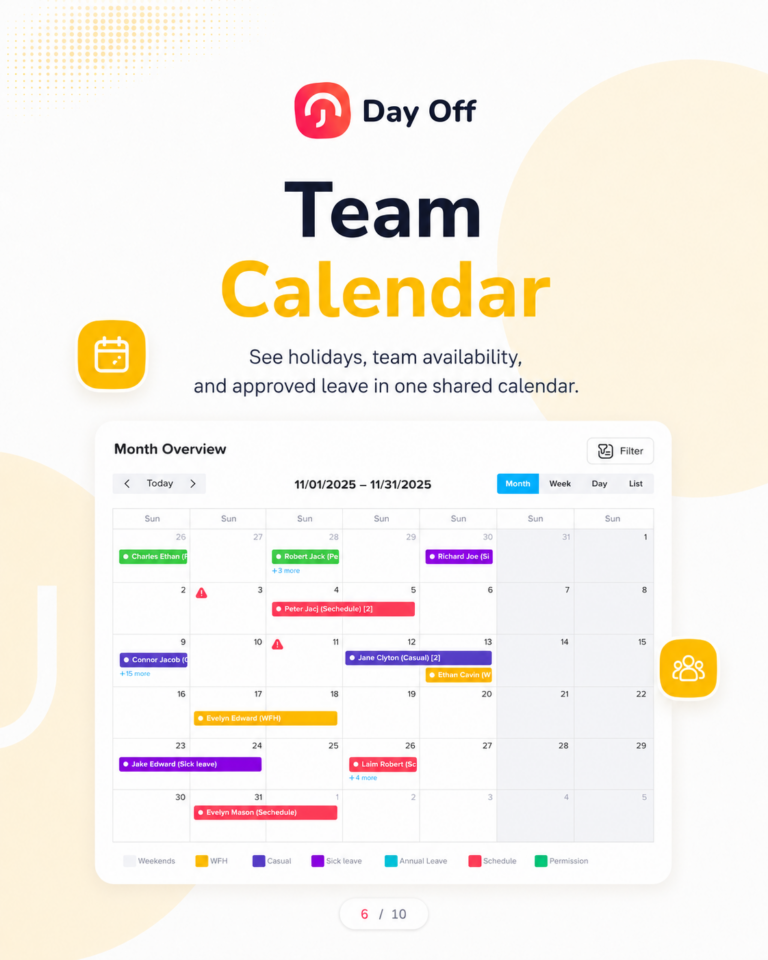
A shared leave calendar helps managers see who is already off before approving new requests.
This reduces overlapping leave and coverage problems.
Track Different Leave Types Separately
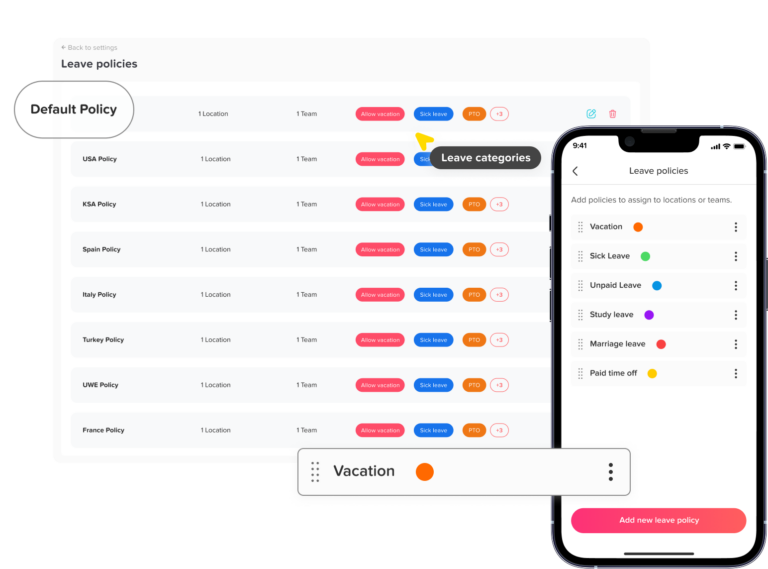
Vacation, sick leave, personal leave, unpaid leave, and emergency leave should be tracked clearly.
This helps HR understand absence patterns and apply the correct rules.
Review Reports Regularly
Reports can help identify patterns before they become bigger issues.
For example, HR may notice repeated last-minute requests, frequent unpaid leave, high sick leave usage, or employees with negative balances.
Train Managers
Managers should know how to review PTO requests, check balances, identify patterns, document conversations, and involve HR when needed.
A good PTO process depends on managers using it consistently.
How Day Off Helps Manage PTO Abuse Fairly
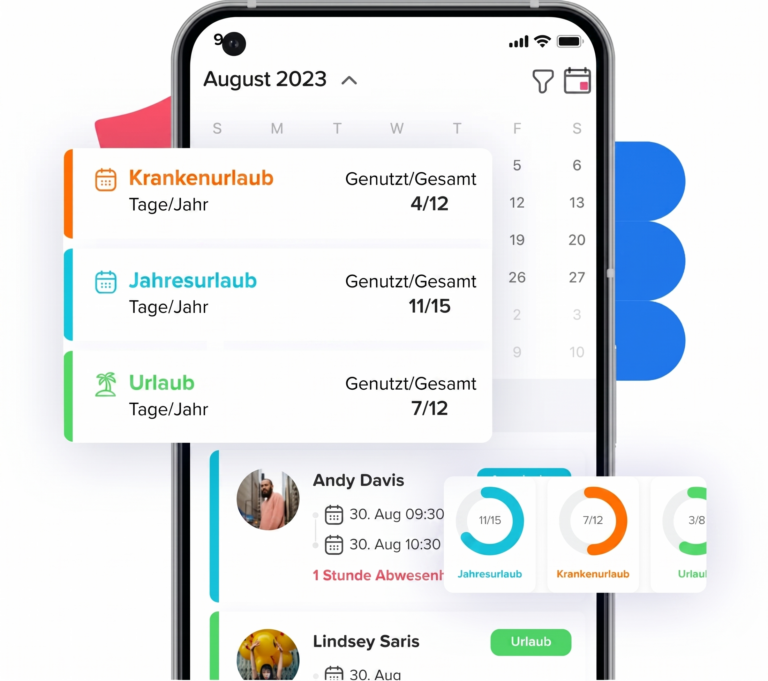
Day Off helps companies manage PTO, leave requests, approvals, balances, calendars, and reports in one place. This makes it easier to handle repeated time off problems with facts instead of assumptions.
With Day Off, employees can submit leave requests through a clear system instead of sending scattered emails or messages. Managers can approve or reject requests, check team availability, and review upcoming absences before making a decision.
HR can use Day Off to track:
- PTO balances
- Leave requests
- Approved and pending time off
- Different leave types
- Sick leave
- Unpaid leave
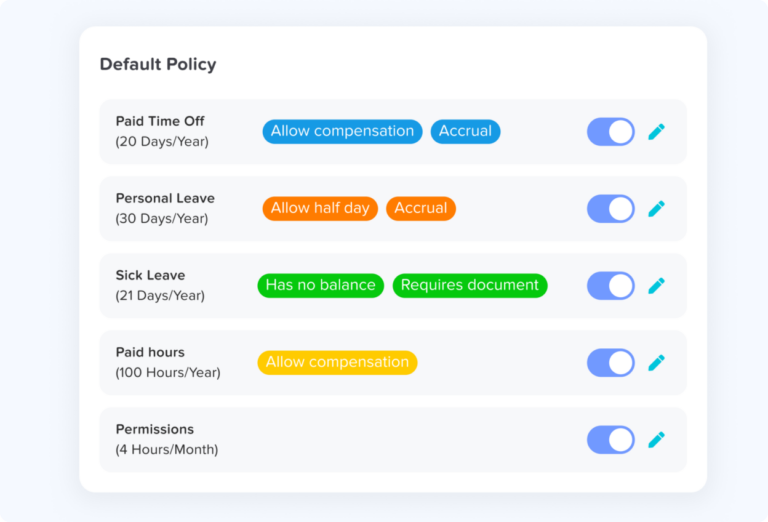
- Custom leave policies
- Accruals
- Carryover
- Balance resets
- Team calendars
- Employee leave history
- Reports and exports
This helps HR and managers identify repeated patterns more clearly. For example, if an employee often requests time off at the last minute, repeatedly uses unpaid leave, or frequently requests PTO during peak coverage periods, managers can review the record in one place.
Day Off also helps reduce unfair treatment because the same request and approval process can be used across the team. Employees can see their balances, managers can review requests with better context, and HR can keep leave records organized.
Instead of relying on memory or scattered messages, companies can use Day Off to create a more transparent and consistent leave management process.
Using Day Off to Support Fair PTO Decisions
Day Off can help companies move from reactive PTO management to proactive PTO planning.
Here is how:
Better Visibility
Managers can see who is off, who has pending requests, and whether the team has enough coverage.
Clear Balances
Employees can check their available PTO before submitting requests, reducing balance confusion.
Organized Approval History
Approved, rejected, and pending requests are easier to track.
Custom Leave Types
Companies can separate vacation, sick leave, personal leave, unpaid leave, emergency leave, and other leave types.
Reports
HR can review leave usage and identify patterns across employees, teams, departments, or locations.
Fewer Manual Errors
A central system reduces the risk of missed requests, outdated spreadsheets, and incorrect balances.
Example: Handling Repeated PTO Problems Fairly
Imagine an employee has requested last-minute PTO six times in two months. Most requests were on Mondays, and the team struggled to cover work.
A poor approach would be to immediately accuse the employee of abusing PTO.
A fair approach would look like this:
- Review the attendance and PTO records.
- Check whether the requests violated the PTO policy.
- Review whether the employee has enough balance.
- Check if there were previous reminders or exceptions.
- Consider whether a protected leave issue may be involved.
- Have a private conversation.
- Ask if there is anything affecting the employee’s ability to attend work consistently.
- Explain the business impact.
- Restate the PTO request process.
- Document the conversation and next steps.
If the issue continues without a valid reason, the company can follow its disciplinary process based on the written policy.
This approach is fair, documented, and consistent.
PTO Abuse Policy Checklist
Use this checklist to make your PTO abuse process clearer:
- Do you have a written PTO policy?
- Does the policy explain request notice requirements?
- Does the policy define approval rules?
- Can employees see their PTO balances?
- Are different leave types tracked separately?
- Do managers review team coverage before approving leave?
- Are PTO records stored in one system?
- Can HR review leave history and reports?
- Do you have a process for emergency leave?
- Do you have a process for missed work without approval?
- Are managers trained to handle repeated absence patterns?
- Do managers know when to involve HR?
- Are protected leave situations reviewed carefully?
- Is the policy applied consistently?
If the answer is no to several of these questions, the company may need to improve the process before treating the issue as employee misconduct.
FAQ
What is PTO abuse?
PTO abuse happens when an employee repeatedly uses paid time off in a way that violates company policy, creates avoidable disruption, or shows a pattern of misuse. It may include unapproved absences, repeated last-minute requests, exceeding balances, or misusing leave types.
Is frequent PTO always abuse?
No. Frequent PTO is not always abuse. Employees may have valid personal, medical, family, or protected leave reasons. HR should review the facts and involve the right process before making assumptions.
How should managers handle suspected PTO abuse?
Managers should review records, compare the pattern with the written policy, speak privately with the employee, document the conversation, and involve HR when needed.
Can an employer deny PTO requests?
In many cases, employers can deny PTO requests based on business needs and company policy, but rules may vary depending on local laws, employment contracts, protected leave rights, and company agreements.
How can companies prevent PTO abuse?
Companies can prevent PTO abuse by using clear PTO policies, digital leave tracking, manager approvals, shared calendars, balance visibility, reports, and consistent enforcement.
How does Day Off help with PTO abuse concerns?
Day Off helps teams track PTO balances, requests, approvals, leave types, calendars, and reports in one place. This gives HR and managers clearer records to identify patterns and handle repeated time off problems fairly.
Final Thoughts
PTO abuse is a real challenge, but it should be handled carefully. Repeated time off problems can affect coverage, payroll, productivity, and team morale, but not every pattern is misuse.
A fair process starts with clear policies, accurate records, consistent approvals, and respectful conversations.
Companies should avoid making assumptions and instead use reliable PTO data to understand what is happening. When HR and managers can see balances, leave history, request patterns, approval status, and team availability, they can make better decisions.
Day Off helps companies manage PTO more clearly by bringing leave requests, balances, approvals, calendars, policies, and reports into one system. This makes it easier to prevent confusion, reduce repeated time off problems, and handle PTO concerns fairly.
The best PTO process is not about stopping employees from taking time off. It is about making time off clear, fair, and manageable for everyone.