







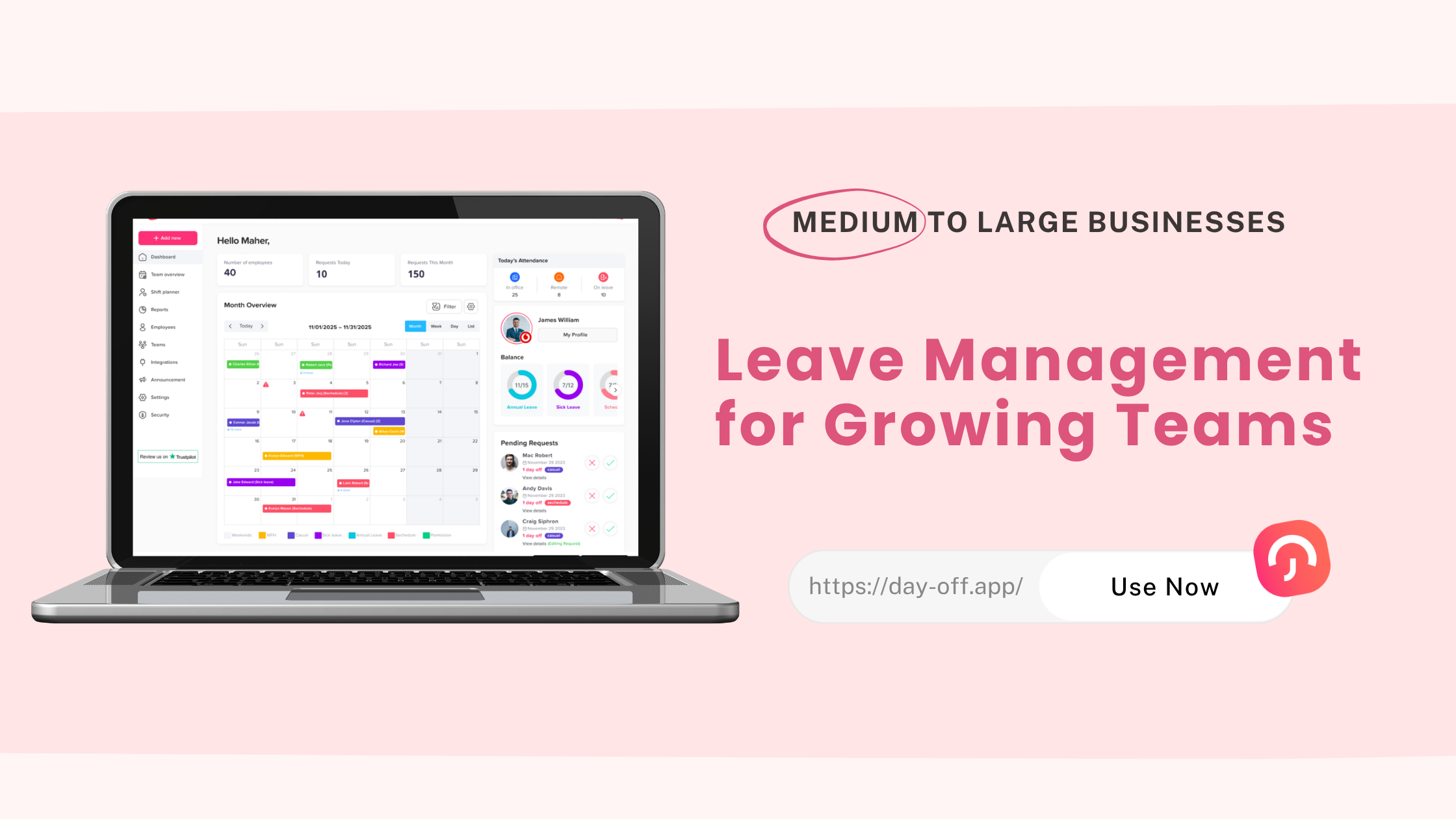
Managing employee vacations becomes increasingly challenging as businesses grow. What works for a team of 20 employees quickly becomes inefficient when managing hundreds or even thousands of employees across multiple departments, locations, and time zones.
For medium and large businesses, vacation management is no longer just an administrative task, it is a critical component of workforce planning, employee satisfaction, and operational efficiency. That’s why many organizations are replacing spreadsheets, emails, and manual approval processes with modern vacation request software such as Day Off.

For example, a company with 50 employees may be able to track vacations using spreadsheets and email approvals. However, when that same company grows to 500 or 1,000 employees, manual processes become prone to errors and delays. HR teams spend valuable time updating records, answering employee questions, and resolving conflicts that could otherwise be automated.
This is where dedicated vacation request software delivers substantial value by centralizing leave management and creating a transparent process for employees, managers, and HR administrators.
Why Businesses Are Choosing Day Off for Vacation Management
While many leave management platforms focus on complex HR workflows, Day Off was built with a different philosophy: making vacation and leave tracking simple, efficient, and accessible for everyone in the organization.
As businesses grow, employees need an easy way to request time off, managers need visibility into team availability, and HR teams need accurate records without spending hours on administrative tasks. Day Off brings all of these requirements together in a single intuitive platform.
What makes Day Off stand out is its balance between simplicity and functionality. Companies can implement the system quickly without lengthy onboarding processes, while still benefiting from powerful features designed to support growing teams.
Simple and Fast Leave Requests
leave request process. Filling out forms, sending emails, and waiting for updates can create unnecessary delays and confusion.
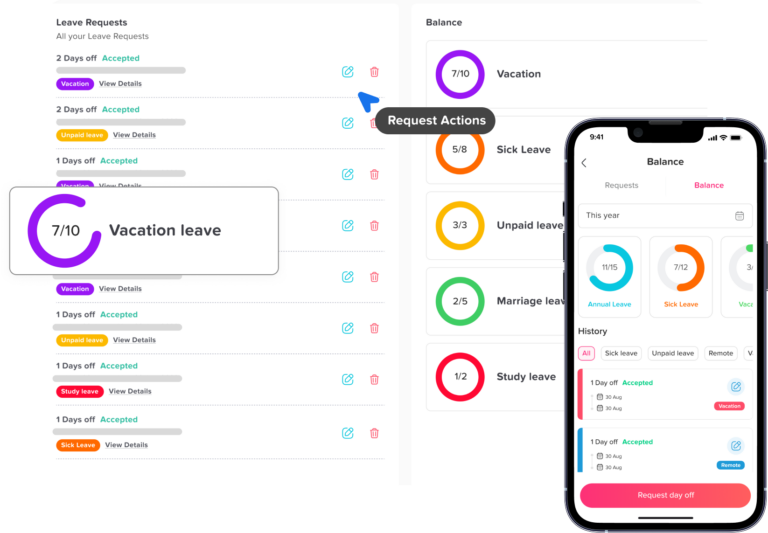
With Day Off, employees can submit vacation requests in just a few clicks. The request is instantly routed to the appropriate manager, who can approve or decline it directly from the web platform or mobile app. This streamlined workflow eliminates paperwork and significantly reduces approval times.
Real Time Leave Balances
Transparency is essential when managing employee leave. Day Off automatically tracks vacation balances, accrued days, used leave, and remaining allowances.
Employees always know exactly how much leave they have available, while managers and HR teams gain confidence that all records are accurate and up to date. This reduces misunderstandings and minimizes the need for HR to answer repetitive questions about leave balances.
Smart Team Calendar Visibility
One of the most valuable features of Day Off is its shared leave calendar. Managers can instantly see who is scheduled to be away and identify potential scheduling conflicts before they become operational problems.
Instead of discovering staffing shortages at the last minute, leaders can plan ahead and maintain appropriate coverage across departments. This visibility becomes increasingly important as organizations expand and teams become more distributed.
Flexible Leave Policies for Every Business
Every company manages leave differently. Some organizations offer traditional annual leave structures, while others provide flexible PTO, sick leave, parental leave, work-from-home days, or special leave categories.
Day Off allows businesses to create customized leave policies that reflect their unique requirements. This flexibility ensures the platform adapts to the organization rather than forcing the organization to adapt to the software.
Built for Remote and Hybrid Workforces
Modern workplaces are no longer limited to a single office location. Remote and hybrid work arrangements have become the norm for many organizations, creating new challenges for leave management.
Day Off provides a centralized system that keeps everyone connected regardless of location. Employees, managers, and HR teams can access leave information from anywhere, ensuring a consistent experience across distributed teams.
Mobile-First Convenience
Today’s employees expect workplace tools to be as convenient as the apps they use in their personal lives. Day Off delivers a mobile-friendly experience that allows users to request leave, approve requests, check balances, and view team calendars directly from their smartphones.
This accessibility improves adoption rates and encourages employees to engage with the platform regularly.
Reducing Administrative Work for HR
HR departments often spend a significant amount of time managing leave records manually. Updating spreadsheets, calculating balances, correcting errors, and answering employee inquiries can consume valuable resources.
Day Off automates many of these tasks, allowing HR professionals to focus on strategic priorities such as employee development, recruitment, and workplace culture. The reduction in administrative workload creates measurable efficiency gains across the organization.
Accurate Reporting and Better Decision-Making
Beyond daily leave management, Day Off provides valuable insights into workforce trends. Organizations can track absence patterns, analyze leave usage, and generate reports that support better planning and resource allocation.
These insights help leadership teams make informed decisions while maintaining productivity and employee well-being.
More Than Just Leave Tracking
What truly differentiates Day Off is that it doesn’t simply track vacations, it helps create a healthier and more organized workplace.
Employees gain confidence through transparency, managers gain visibility into team availability, and HR teams gain efficiency through automation. The result is a smoother experience for everyone involved in the leave management process.
The Hidden Costs of Manual Vacation Tracking
Many businesses underestimate the true cost of managing leave manually. While spreadsheets may appear to be a low-cost solution, they often create inefficiencies that impact productivity across the organization.
Some of the most common challenges include:
Approval Delays
Managers frequently miss vacation requests buried in email threads or messaging platforms. Employees may wait days or even weeks for approval, creating frustration and uncertainty around personal travel plans.
Inaccurate Leave Balances
Manually calculating accrued vacation days can lead to mistakes. Employees may be granted more leave than they are entitled to, or they may discover discrepancies in their balances, leading to disputes and additional administrative work.
Lack of Visibility
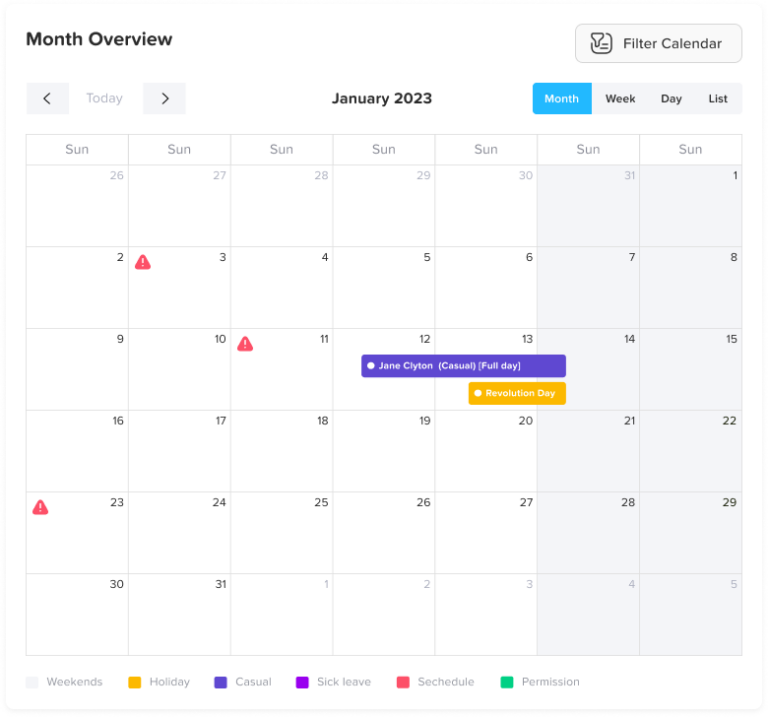
Without a centralized system, managers often struggle to see who is already scheduled to be absent. This can result in multiple team members taking leave simultaneously, leaving departments understaffed during critical periods.
Compliance Risks
Organizations operating across multiple regions must comply with different labor laws and leave regulations. Manual tracking increases the likelihood of errors that may expose the company to compliance issues or legal challenges.
Administrative Overload
HR professionals can spend countless hours responding to routine questions about leave balances, policy details, and vacation approvals. These repetitive tasks divert attention from more strategic initiatives such as talent development and employee engagement.
Key Features to Look for in Vacation Request Software
Not all vacation management systems offer the same capabilities. Medium and large businesses should prioritize solutions that provide scalability, flexibility, and automation.
Automated Leave Requests and Approvals
Employees should be able to submit leave requests through a simple interface, while managers can review and approve requests from any device. Automated workflows reduce delays and ensure consistency throughout the organization.
Real-Time Leave Balances
A modern system automatically calculates accruals, carryovers, and remaining leave balances. Employees can view their available days instantly, reducing the need for HR intervention.
Shared Team Calendars
Visual leave calendars help managers understand team availability at a glance. This prevents overlapping vacations and supports more effective workforce planning.
Custom Leave Policies
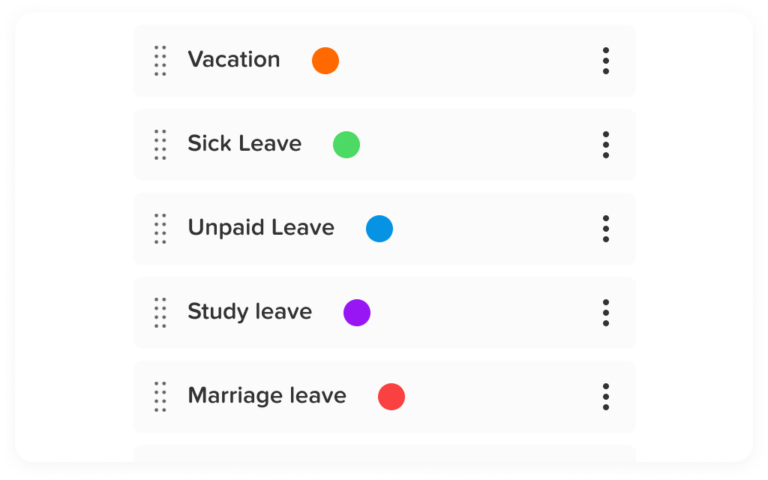
Organizations often offer multiple leave types, including annual leave, sick leave, parental leave, personal days, and compensatory time off. The software should accommodate customized policies that align with company requirements and local regulations.
Multi-Location Support
For companies operating across different countries or regions, the platform should support varying public holidays, labor laws, and leave entitlements.
Reporting and Analytics
Detailed reports provide valuable insights into absence trends, leave utilization, and workforce planning. HR leaders can use this data to make informed decisions and identify potential issues before they impact operations.eo.
How Vacation Request Software Improves Employee Experience
Employee expectations have changed dramatically in recent years. Today’s workforce values transparency, flexibility, and self-service tools that simplify everyday processes.
Vacation request software contributes to a positive employee experience by giving team members greater control over their time off. Instead of sending emails and waiting for responses, employees can submit requests, track approval status, and review leave balances from a single platform.
This level of transparency reduces confusion and builds trust between employees and management. Team members feel more confident planning vacations, family commitments, and personal time when they have clear visibility into their available leave and request status.
Additionally, mobile accessibility allows employees to manage requests from anywhere, making the process convenient for both office-based and remote workers.
Why Medium and Large Businesses Prefer Day Off
Eliminate manual leave administration, improve visibility, and scale effortlessly as your team grows.
| Business Challenge | How Day Off Solves It |
|---|---|
| Too many vacation requests to manage manually | Automates requests, approvals, and tracking. |
| Lack of visibility into employee availability | Provides a live team calendar for complete transparency. |
| Frequent leave balance errors | Automatically calculates leave accruals and balances. |
| Time-consuming HR administration | Reduces manual work through automation. |
| Remote and hybrid workforce management | Enables access through web and mobile platforms. |
| Scaling company operations | Supports growing teams without increasing administrative complexity. |
| Employee frustration with outdated processes | Creates a simple and user-friendly leave management experience. |
Frequently Asked Questions (FAQ)
What is vacation request software?
Vacation request software is a digital solution that helps organizations manage employee time off requests, leave approvals, PTO balances, and absence tracking from a centralized platform. It replaces manual processes such as spreadsheets, paper forms, and email-based approvals, making leave management faster and more accurate.
Why do medium and large businesses need vacation management software?
As companies grow, managing employee leave becomes more complex. Multiple departments, varying leave policies, and larger workforces make manual tracking inefficient. Vacation management software helps organizations maintain visibility, reduce administrative work, improve workforce planning, and ensure fair leave management across teams.
How does vacation request software improve workforce planning?
By providing a clear overview of employee availability, vacation request software allows managers to anticipate staffing needs, prevent scheduling conflicts, and ensure critical business functions remain adequately staffed during peak vacation periods.
Can vacation management software help reduce employee burnout?
Yes. Modern leave management systems encourage employees to take their allocated time off by making the request process simple and transparent. Regular vacations help employees recharge, improve well-being, and reduce the risk of long-term burnout.
What should businesses look for when choosing a leave management solution?
Organizations should consider factors such as ease of use, scalability, mobile accessibility, reporting capabilities, customizable leave policies, automated approvals, and integration options. The best solution should simplify leave management while supporting future business growth.
How does vacation request software support remote and hybrid teams?
Remote and hybrid employees often work across different locations and schedules. A centralized leave management system ensures all team members can request time off, view leave balances, and receive approvals regardless of where they work, creating a consistent experience across the organization.
Can vacation management software improve employee satisfaction?
Absolutely. Employees appreciate transparency, faster approvals, and easy access to leave information. A smooth leave request process reduces frustration and demonstrates that the organization values work-life balance, which can contribute to higher employee satisfaction and retention.
How does leave management software help HR teams?
HR departments benefit from automated calculations, centralized records, accurate reporting, and reduced administrative workload. This allows HR professionals to spend less time on manual leave tracking and more time focusing on strategic initiatives such as talent development and employee engagement.
Is vacation request software suitable for companies with multiple locations?
Yes. Many organizations operate across different cities, countries, or regions with varying public holidays and leave policies. Modern leave management platforms help standardize processes while accommodating local requirements, making them ideal for multi-location businesses.
How can better leave management impact company productivity?
Effective leave management ensures teams remain properly staffed while employees receive the time off they need. This balance helps maintain productivity, reduces disruptions caused by unexpected absences, and supports a healthier workplace culture.
What are the risks of using spreadsheets to track employee leave?
Spreadsheets are prone to human error, outdated information, duplicate entries, and version control issues. As organizations grow, these risks increase, potentially leading to inaccurate leave balances, scheduling conflicts, and unnecessary administrative work.
Does vacation request software support business growth?
Yes. A scalable leave management system grows alongside the organization, allowing businesses to manage larger workforces without significantly increasing administrative complexity. This makes it an important investment for companies planning long-term expansion.
Conclusion
As businesses grow, managing employee leave manually becomes increasingly time-consuming and prone to errors. A modern vacation management solution like Day Off simplifies the process by automating requests, improving visibility, and reducing administrative workload. With an easy-to-use platform for employees, managers, and HR teams, Day Off helps organizations save time, stay organized, and create a smoother leave management experience for everyone.
