







Manufacturing businesses operate in one of the most demanding workforce environments. Unlike office-based organizations where temporary absences may have a limited impact, every employee absence in a manufacturing facility can directly affect production output, shift coverage, delivery schedules, safety compliance, and labor costs.
Whether you manage a small factory with 30 employees or multiple manufacturing facilities across different locations, keeping track of employee time off is essential for maintaining operational efficiency.
Unfortunately, many manufacturing companies still rely on spreadsheets, paper forms, emails, or messaging groups to manage vacation requests and employee leave. These manual methods often lead to scheduling conflicts, approval delays, inaccurate leave balances, and costly staffing shortages.

Modern leave management platforms such as Day Off provide manufacturing organizations with a centralized system for tracking employee leave, managing approvals, maintaining accurate balances, and ensuring production schedules remain fully staffed.
In this guide, we’ll explore the unique PTO challenges facing manufacturing companies and how a dedicated leave management solution can help solve them.
PTO Tracking for Manufacturing Companies is essential for operational stability. Utilizing technology enhances PTO Tracking for Manufacturing Companies. PTO Tracking for Manufacturing Companies is crucial for enhancing operational efficiency and ensuring workforce stability.
Why PTO Tracking Is More Complex in Manufacturing
Understanding PTO Tracking for Manufacturing Companies helps address unique challenges. Complex PTO Tracking for Manufacturing Companies requires efficient solutions. Manufacturing environments differ significantly from traditional office workplaces. Most factories depend on carefully coordinated staffing levels to maintain production efficiency, operate machinery safely, and meet customer deadlines.
When an employee takes time off, the impact often extends beyond that individual role.
For example, a single machine operator, quality inspector, maintenance technician, or shift supervisor may possess specialized skills that are difficult to replace at short notice. If several employees from the same department request leave during the same period, production output can slow down or stop entirely.
Manufacturing companies must also account for:
Challenges of PTO Tracking for Manufacturing Companies include varying leave needs. Properly managing PTO Tracking for Manufacturing Companies is critical for success.
- Multiple shifts operating around the clock
- Seasonal production peaks
- Overtime budgeting
- Compliance requirements
- Union agreements
- Workforce distribution across multiple facilities
This level of complexity makes leave planning significantly more challenging than in many other industries.
A dedicated PTO management system allows manufacturers to maintain visibility across departments and shifts while ensuring employees receive fair access to their earned time off. Effective PTO Tracking for Manufacturing Companies addresses unique workforce dynamics.
Common PTO Tracking Challenges in Manufacturing
Streamlined PTO Tracking for Manufacturing Companies helps maintain necessary staffing levels.
Shift Coverage Conflicts
PTO Tracking for Manufacturing Companies must account for various operational factors. One of the biggest challenges manufacturing companies face is maintaining proper staffing levels across all shifts.
In many factories, production lines require a minimum number of employees to operate efficiently and safely. If too many workers are absent simultaneously, supervisors may struggle to fill critical positions.
When leave requests are managed through emails or spreadsheets, managers often lack visibility into who has already been approved for time off. This can result in overlapping vacations that create unexpected labor shortages.
For example, three experienced machine operators may request the same week off. Without a centralized leave calendar, those requests could be approved independently by different supervisors, leaving the production team understaffed.
How Day Off Helps
Day Off includes a shared team calendar that provides managers with real-time visibility into approved and pending leave requests across teams, departments, and locations.
Before approving a request, managers can immediately see:
Who is already off
Upcoming absences
Department staffing levels
Holiday schedules
This visibility helps prevent scheduling conflicts before they occur.
Employees can also view team calendars themselves, reducing unnecessary requests during heavily booked periods.
Rising Overtime Costs
Utilizing effective tools for PTO Tracking for Manufacturing Companies minimizes errors.
When staffing shortages occur unexpectedly, manufacturing companies often rely on overtime to maintain production targets.
Although overtime can help cover temporary gaps, excessive overtime creates several problems:
- Increased labor expenses
- Employee fatigue
- Reduced morale
- Higher safety risks
- Increased turnover
In many cases, overtime costs are not caused by employee absences themselves but by poor visibility into upcoming leave requests.
Without proper forecasting, managers may discover staffing shortages only days before a shift begins.
How Day Off Helps
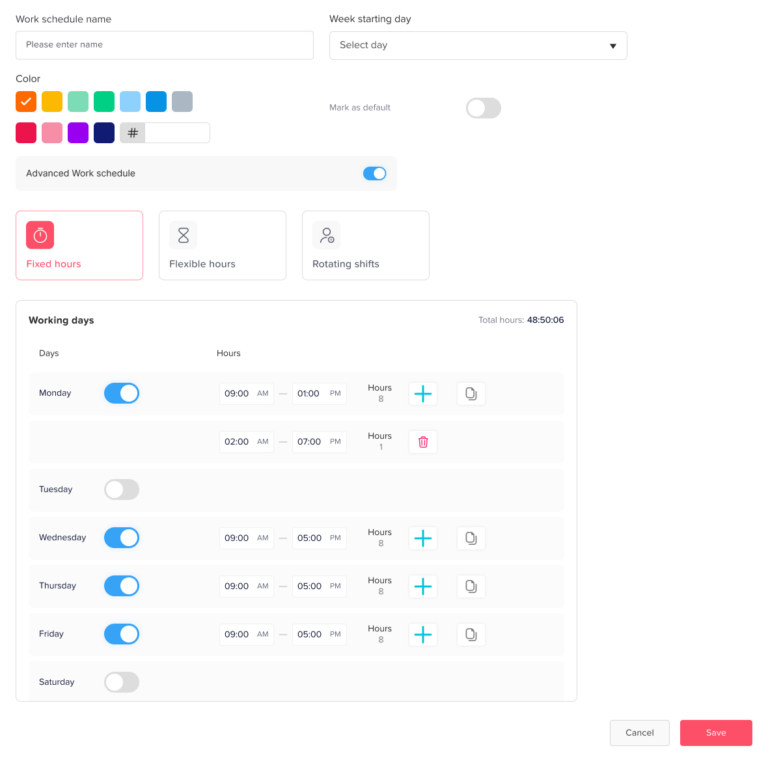
Day Off gives managers advance visibility into future absences through:
- Department leave calendars
- Team availability views
- Upcoming leave reports
- Automated notifications
Managers can identify staffing gaps weeks or months in advance and arrange shift swaps, temporary coverage, or hiring plans before production is affected.
This proactive approach significantly reduces emergency overtime spending.
Managing Multiple Facilities and Locations
Day Off improves PTO Tracking for Manufacturing Companies across multiple sites
Comprehensive PTO Tracking for Manufacturing Companies enhances overall efficiency.
Many manufacturing organizations operate across several facilities, warehouses, plants, or production sites.
When each location manages leave independently, HR teams often struggle to maintain consistent policies and reporting.
Common problems include:
- Inconsistent approval processes
- Duplicate records
- Difficulty generating company-wide reports
- Limited visibility across locations
- Challenges balancing workforce availability
As organizations grow, these issues become increasingly difficult to manage.
How Day Off Helps
Day Off supports organizations with multiple locations by allowing administrators to manage all employees within a single centralized platform.
HR leaders can:
- Create separate departments and teams
- Assign managers to specific groups
- Track leave across all locations
- Maintain standardized policies
- Generate company-wide reports
This creates a consistent leave management experience regardless of where employees are located.
Manual PTO Calculations and Errors
Calculating employee leave balances manually is one of the most time-consuming HR tasks.
Manufacturing companies often manage various leave types, including:
- Annual leave
- Vacation leave
- Sick leave
- Personal leave
- Compensatory time
- Unpaid leave
Tracking accruals manually increases the likelihood of mistakes.
Even small calculation errors can result in:
- Employee dissatisfaction
- Payroll discrepancies
- Compliance concerns
- Administrative overhead
How Day Off Helps
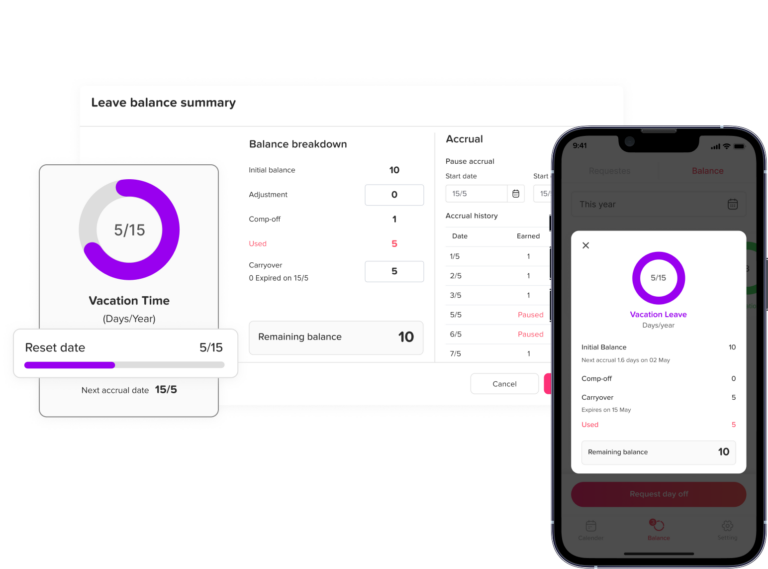
Day Off automatically tracks leave balances and updates them in real time.
The platform supports:
- Custom leave policies
- Annual allocations
- Accrual-based leave
- Carryover rules
- Multiple leave types
Employees can instantly check their remaining balances without contacting HR, reducing administrative workload while improving transparency.
PTO Tracking for Manufacturing Companies supports real-time updates on leave balances.
Slow Approval Processes
Many manufacturing employees do not work at desks or regularly check email.
As a result, leave requests often move slowly through traditional approval workflows.
Employees may:
- Fill out paper forms
- Contact supervisors manually
- Follow up repeatedly for updates
Managers may overlook requests or delay approvals due to busy production schedules.
How Day Off Helps
Day Off streamlines the entire approval process.
Employees can submit leave requests directly through:
- Mobile apps
- Web access
- Tablets
- Smartphones
Managers receive immediate notifications and can approve or reject requests within seconds.
This ensures requests are processed quickly while maintaining proper oversight.
Limited Visibility for HR Teams
Without centralized reporting, HR departments often lack visibility into workforce availability trends.
Questions such as:
- Which departments have the highest absence rates?
- Are certain teams taking excessive leave?
- What are future staffing risks?
- How much PTO liability exists?
can be difficult to answer.
This lack of data limits strategic workforce planning.
How Day Off Helps
Day Off provides reporting and analytics that help HR teams monitor:
- Leave trends
- Team utilization
- Department absences
- Leave balances
- Future scheduled leave
These insights support better decision-making and workforce planning.
Features Manufacturing Companies Should Look For in PTO Software
When evaluating PTO software, manufacturing organizations should focus on solutions that improve workforce visibility, simplify administrative tasks, and help managers maintain adequate staffing levels across shifts and locations.
Effective PTO Tracking for Manufacturing Companies reduces scheduling conflicts significantly.
Centralized Leave Management
A centralized leave management system provides a single source of truth for all employee absences, eliminating the confusion that often comes with spreadsheets, paper forms, and scattered email requests.
With Day Off, all leave requests, approvals, balances, and employee records are stored in one easy-to-access platform. Managers, HR teams, and employees always have access to the same up-to-date information, reducing errors and improving transparency across the organization.
Mobile Access for Frontline Workers
Unlike office employees, manufacturing workers spend most of their time on the production floor and may not have regular access to a computer. As a result, leave management tools must be accessible from anywhere.
Day Off offers intuitive mobile apps that allow employees to submit leave requests, check their remaining balances, view approval statuses, and see team schedules directly from their smartphones. This convenience encourages employee adoption while reducing the administrative burden on supervisors and HR teams.
Shared Team Calendars
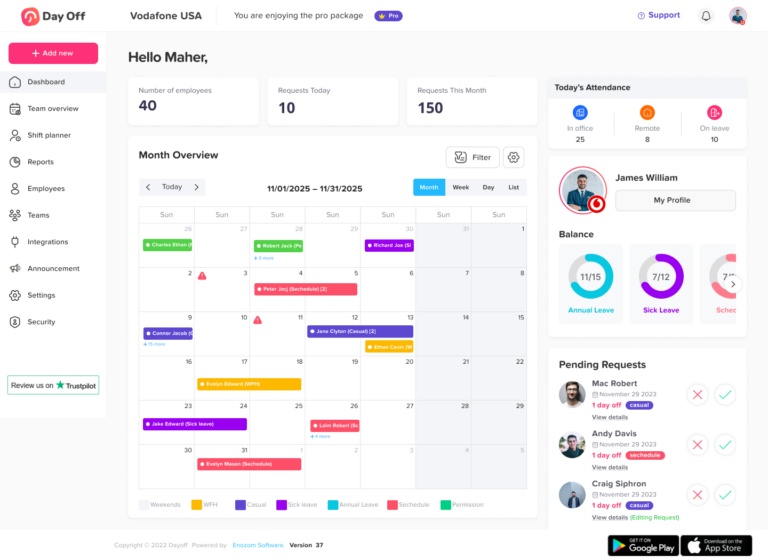
Understanding workforce availability is essential for maintaining production schedules and avoiding staffing shortages. A shared calendar gives managers immediate visibility into planned absences before making scheduling decisions.
Day Off automatically displays approved leave, upcoming vacations, public holidays, and team availability in a clear calendar view. This helps supervisors identify potential coverage issues early and make informed decisions when reviewing new leave requests.
Automated Notifications
Missed emails and delayed communication can easily lead to scheduling conflicts and approval bottlenecks. Automated notifications ensure everyone stays informed throughout the leave management process.
Day Off sends real-time alerts for new leave requests, approval decisions, cancellations, reminders, and policy updates. Employees receive timely updates while managers can respond quickly without needing to manually follow up on every request.
Multiple Leave Types
Manufacturing companies often manage a variety of leave categories, each with its own rules and eligibility requirements. A flexible system should be able to accommodate these different policies without additional administrative work.
Day Off supports vacation leave, sick leave, personal leave, emergency leave, unpaid leave, and fully customizable leave types. This flexibility allows organizations to create leave policies that accurately reflect their workforce needs and internal procedures.
PTO Tracking for Manufacturing Companies is vital for managing leave policies effectively.
PTO Tracking for Manufacturing Companies ensures that all types of leave are accommodated.
To optimize PTO Tracking for Manufacturing Companies, automated systems are preferable.
Multi-Level Approval Workflows
In many manufacturing environments, leave requests need to be reviewed by more than one person before they are approved. Depending on the organization, requests may require approval from a supervisor, department manager, plant manager, or HR representative.
Day Off offers customizable approval workflows that match your organization’s structure. This ensures requests follow the correct approval path while maintaining accountability and reducing delays in the process.
Calendar Integrations
Leave information becomes even more valuable when it is automatically synchronized with the tools employees and managers already use every day.
Day Off integrates seamlessly with Google Calendar, Microsoft Outlook, Microsoft Teams, and Slack, ensuring approved absences are visible alongside meetings, schedules, and daily operations. This improves team awareness and helps prevent scheduling conflicts across departments.
Why Manufacturing Companies Choose Day Off
Manufacturing businesses need a leave management solution powerful enough to handle complex workforce requirements yet simple for employees and managers to use.
Day Off is designed specifically to streamline leave management through an intuitive, user-friendly platform that requires minimal training and setup. Whether you operate a single facility or multiple production sites, Day Off helps keep everyone aligned with accurate, real-time leave information.
Manufacturing companies choose Day Off because it provides:
- Easy leave requests and approvals
- Mobile apps for frontline and shift-based employees
- Real-time leave balance tracking
- Shared company and team calendars
- Multiple leave types and custom policies
- Multi-location and multi-department support
- Custom approval workflows
- Automated notifications and reminders
- Google Calendar integration
- Outlook integration
- Slack integration
- Microsoft Teams integration
- Reporting and leave analytics
- Role-based access and permissions
- Fast implementation with minimal administrative effort
Unlike large HR systems that often include unnecessary complexity and lengthy deployment processes, Day Off focuses on doing one thing exceptionally well: helping organizations manage employee leave efficiently. For manufacturing companies, this means less administrative work, better workforce planning, fewer scheduling conflicts, and greater operational continuity.
Frequently Asked Questions About PTO Tracking for Manufacturing Companies
PTO Tracking for Manufacturing Companies ensures a smooth workflow.
What is PTO tracking in manufacturing?
Understanding PTO Tracking for Manufacturing Companies is key for HR efficiency.
PTO tracking in manufacturing is the process of monitoring employee vacation time, sick leave, personal leave, and other absences to ensure adequate staffing levels and uninterrupted production. Effective PTO tracking helps manufacturers maintain shift coverage, reduce scheduling conflicts, and improve workforce planning across departments and facilities.
Why is PTO tracking important for manufacturing companies?
Manufacturing companies rely on consistent staffing to meet production goals, maintain safety standards, and fulfill customer orders. Poor PTO tracking can lead to labor shortages, increased overtime costs, delayed production schedules, and employee dissatisfaction. A reliable leave management system provides visibility into workforce availability and helps managers plan ahead.
PTO Tracking for Manufacturing Companies prevents labor shortages.
How do manufacturing companies track employee vacation time?
Modern solutions for PTO Tracking for Manufacturing Companies save time.
Many manufacturers still use spreadsheets, paper forms, or email requests to track employee vacations. However, modern organizations are increasingly adopting leave management software like Day Off, which automates leave requests, approvals, balance calculations, and team scheduling through a centralized platform.
How does PTO tracking improve shift scheduling?
Accurate PTO tracking allows supervisors to view employee availability before building schedules. This helps prevent understaffed shifts, minimizes scheduling conflicts, and ensures critical production roles remain covered. With better visibility into planned absences, managers can create more efficient and balanced schedules.
Is PTO tracking software suitable for multi-site manufacturing companies?
PTO Tracking for Manufacturing Companies simplifies multi-site management.
Yes. Modern leave management solutions are designed to support organizations with multiple plants, warehouses, and production facilities. Day Off allows HR teams and managers to monitor leave across departments and locations from a single dashboard while maintaining consistent policies throughout the organization.
How can manufacturing companies prevent overlapping vacation requests?
Using technology for PTO Tracking for Manufacturing Companies enhances accuracy.
The most effective way to prevent overlapping leave requests is by using a shared leave calendar. Day Off allows managers and employees to see approved and pending absences across teams, helping them identify potential staffing conflicts before requests are approved.
What is the best PTO tracking software for manufacturing companies?
PTO Tracking for Manufacturing Companies is vital for preventing overlaps.
The best PTO tracking software for manufacturing companies should be easy to use, scalable, mobile-friendly, and capable of supporting complex workforce structures. Day Off helps manufacturing organizations simplify leave management through automated approvals, real-time leave balances, team calendars, reporting tools, and integrations with popular workplace platforms.
Does PTO software integrate with manufacturing workforce management tools?
Efficient PTO Tracking for Manufacturing Companies helps meet operational demands.
Many PTO solutions integrate with business tools commonly used by manufacturing organizations. Day Off integrates with Google Calendar, Outlook, Slack, and Microsoft Teams, ensuring employee absences are visible alongside daily schedules and operational planning activities.
Conclusion
Improving PTO Tracking for Manufacturing Companies is essential for growth.
Effective PTO tracking is no longer just an HR function; it is a critical part of manufacturing operations.
When leave is managed poorly, companies face production disruptions, staffing shortages, increased overtime costs, and administrative inefficiencies.
By implementing a dedicated leave management solution like Day Off, manufacturing organizations can improve workforce visibility, streamline approvals, maintain accurate leave balances, and ensure production schedules remain on track.
As manufacturing operations become increasingly complex, having a modern PTO management system is one of the simplest ways to improve operational efficiency while creating a better experience for employees and managers alike.
Ultimately, effective PTO Tracking for Manufacturing Companies ensures success.
PTO Tracking for Manufacturing Companies is a strategic necessity.
With dedicated PTO Tracking for Manufacturing Companies, productivity can thrive.