








Moving an employee from a salaried position to an hourly role affects more than payroll. It can also change how working hours are recorded, how overtime is calculated, how partial-day absences are handled, and how paid time off is earned and deducted.
The employee may already have an unused PTO balance, approved future vacation, a negative balance, or an accrual rate based on their previous employment category. HR must decide what remains unchanged, what needs to be recalculated, and when the new rules become effective.

In most cases, changing an employee from salaried to hourly should not automatically remove PTO they have already earned. However, the employer may apply a different accrual rate or leave policy prospectively, subject to its written policy and applicable law.
This guide explains what happens to PTO when an employee moves from salaried to hourly, including balance preservation, accrual changes, schedule updates, overtime treatment, payroll records, and practical transition examples.
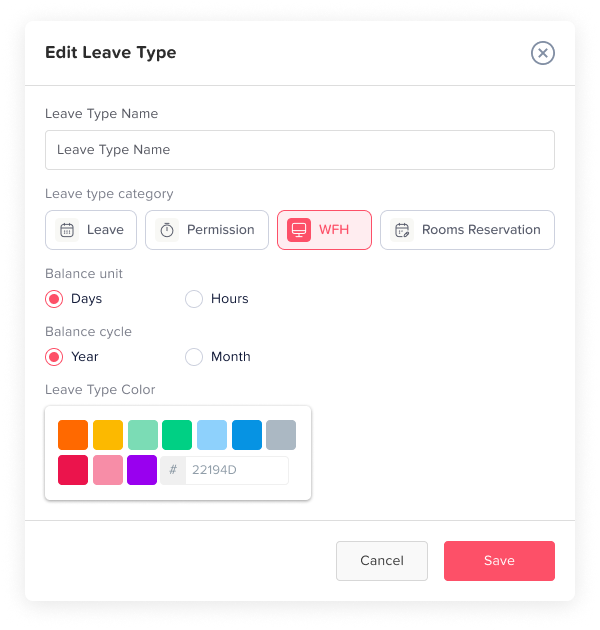
What Does Moving From Salaried to Hourly Mean?
A salaried employee receives a predetermined amount of pay for a defined period, usually expressed as an annual salary. An hourly employee is paid according to the number of hours worked during each pay period.
For example, an employee earning an annual salary of $62,400 may move to an hourly rate of approximately $30 if the employer bases the conversion on a 40-hour workweek and 2,080 annual hours:
$62,400 ÷ 2,080 hours = $30 per hour
The actual conversion method may differ when the employee has a shorter workweek, receives bonuses, works an alternative schedule, or has other compensation arrangements.
The change may also affect:
- Time clock requirements
- Timesheet submission
- Overtime eligibility
- Meal and rest break tracking
- Payroll calculations
- PTO deductions
- Leave accrual rates
- Work schedule assignments
- Attendance records
The effective date should be documented before the new payment method begins.
Salaried vs. Hourly Is Not the Same as Exempt vs. Nonexempt
Employers should not assume that “salaried” always means exempt or that “hourly” always means nonexempt.
Under the Fair Labor Standards Act, exemption from federal minimum wage and overtime requirements generally depends on the employee’s pay method, compensation level, and actual job duties. Job titles alone do not determine whether an exemption applies.
However, many employees who move from salaried to hourly are also classified as nonexempt. Covered nonexempt employees must generally receive overtime pay of at least one and one-half times their regular rate for hours worked over 40 in a workweek.
HR should review the employee’s wage classification separately from the PTO change.
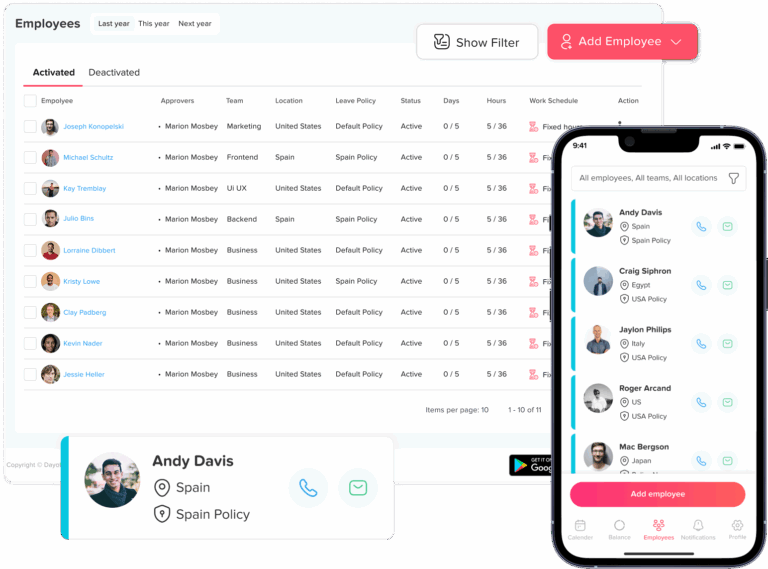
The transition documentation should identify:
- Whether the employee is exempt or nonexempt
- The new hourly rate
- The standard workweek
- The overtime approval process
- The time-tracking method
- The effective date
- The new PTO policy or accrual rate
Do Hourly Employees Receive PTO?
Hourly employees may receive PTO when the employer’s policy provides it or when applicable law requires a form of paid leave.
The FLSA does not generally require private employers to provide paid vacation, ordinary sick leave, or holiday pay. These benefits are usually determined by company policy, employment agreements, collective bargaining agreements, and state or local law.
An employer may provide hourly employees with PTO through:
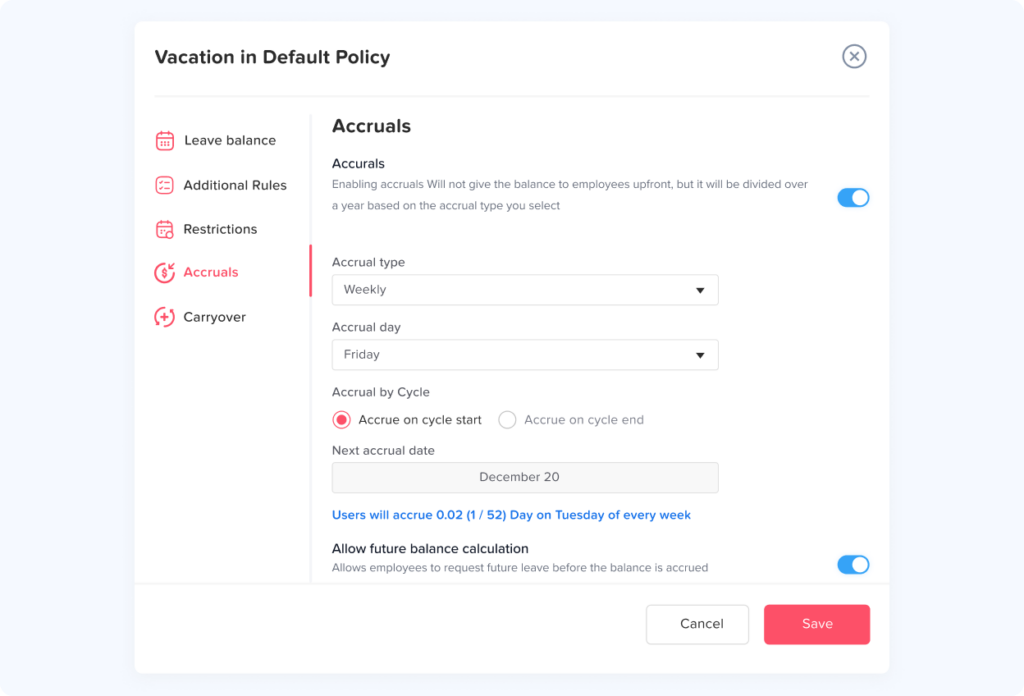
- A fixed annual grant
- Weekly accrual
- Biweekly accrual
- Semimonthly accrual
- Monthly accrual
- Accrual based on hours worked
- Separate vacation and sick leave balances
- A combined PTO bank
Hourly employees may receive the same annual entitlement as salaried employees, or the employer may use different rates based on employment status, scheduled hours, tenure, or location.
What Happens to the Employee’s Existing PTO Balance?
The first question HR should answer is whether the employee already has earned or allocated PTO.
Suppose an employee has 48 unused PTO hours immediately before becoming hourly. The company must decide whether those hours will be:
- Preserved without change
- Converted from days to hours
- Transferred into a new hourly PTO policy
- Frozen while a new balance begins
- Adjusted under a lawful transition rule
- Paid out, when permitted or required
In many situations, the clearest approach is to preserve the existing hours and apply the new accrual rules only to future PTO.
A change in payment method does not mean the employee has separated from employment. Therefore, the company should not treat the change like a termination unless applicable law or a contract requires a particular action.
Some jurisdictions provide stronger protection for earned vacation. California, for example, treats earned vacation as wages and does not permit an employer to take away accrued vacation through a use-it-or-lose-it policy.
Employers should review the rules in every location where affected employees work before reducing, forfeiting, or converting an existing balance.
Should PTO Be Preserved in Hours or Days?
PTO should usually be converted into a unit that works accurately with the employee’s new hourly schedule.
When the Existing Balance Is Already in Hours
The transition is relatively straightforward.
For example:
- Existing balance: 48 hours
- Previous schedule: 8 hours per day
- New schedule: 8 hours per day
- Preserved balance: 48 hours
The employee continues to have 48 paid hours available.
When the Existing Balance Is in Days
HR must define how many hours each day represents.
Suppose the employee has 10 unused PTO days under an eight-hour schedule:
10 days × 8 hours = 80 PTO hours
The employee’s opening hourly balance would be 80 hours.
This method preserves the amount of scheduled working time represented by the original balance.
When the New Schedule Has Shorter Days
Assume the employee previously worked five eight-hour days and had 10 PTO days, equal to 80 hours.
The employee’s new hourly schedule is five six-hour days.
If the employer preserves the 80-hour balance, it will cover approximately 13.33 of the new six-hour workdays:
80 ÷ 6 = 13.33 days
This does not necessarily mean the employee received extra PTO. The balance still represents the same 80 hours that existed before the schedule change.
Reducing the balance from 80 hours to 60 hours merely because the employee now works six-hour days may remove 20 previously earned hours. That approach should not be used without reviewing the policy and applicable law.
Can the Employer Reduce Future PTO Accrual?
An employer may be able to apply a lower PTO accrual rate prospectively when an employee changes employment categories, provided the change complies with applicable law, contracts, and company policy.
For example:
| Employment Category | Weekly Schedule | Annual PTO |
|---|---|---|
| Salaried full-time | 40 hours | 120 hours |
| Hourly full-time | 40 hours | 120 hours |
| Hourly reduced schedule | 30 hours | 90 hours |
| Hourly part-time | 20 hours | 60 hours |
The employee’s previously earned balance may remain intact while the future earning rate changes.
A policy could state:
PTO earned before the employment-status change will remain available. Beginning on the effective date, future PTO will accrue according to the employee’s new employment category and scheduled hours.
This separates existing rights from future benefits.
How to Calculate a New Hourly PTO Accrual Rate
The appropriate calculation depends on the company’s policy.
Fixed Annual Entitlement
If the employee remains eligible for 120 PTO hours annually, the periodic accrual may stay unchanged.
| Frequency | Calculation | Accrual |
|---|---|---|
| Weekly | 120 ÷ 52 | 2.31 hours |
| Biweekly | 120 ÷ 26 | 4.62 hours |
| Semimonthly | 120 ÷ 24 | 5 hours |
| Monthly | 120 ÷ 12 | 10 hours |
This method works well when the employee continues to work a stable schedule.
PTO Based on the New Weekly Schedule
The company may reduce the annual entitlement when the employee works fewer hours.
Suppose full-time employees receive 120 PTO hours for a 40-hour workweek.
An employee moving to 30 weekly hours could receive:
120 × 30 ÷ 40 = 90 annual PTO hours
An employee moving to 20 weekly hours could receive:
120 × 20 ÷ 40 = 60 annual PTO hours
This method provides PTO in proportion to the employee’s regular working hours.
PTO Based on Hours Worked
A company may allow employees to earn PTO based on the number of eligible hours they work.
For example:
Employees earn one hour of PTO for every 20 eligible hours worked.
If the employee works 80 eligible hours during a pay period:
80 ÷ 20 = 4 PTO hours
This method can be useful for employees whose working hours change from week to week.
However, the policy must clearly explain which hours count.
For example:
- Do overtime hours earn PTO?
- Do paid holidays count?
- Does time spent using PTO earn more PTO?
- Does paid sick leave count?
- Does unpaid leave stop accrual?
- Is there a maximum number of eligible hours per week?
What Effective Date Should Be Used?
The company should choose one clear date when the new hourly pay and PTO rules begin.
Possible effective dates include:
- The exact date the employee changes roles
- The first day of the next workweek
- The beginning of the next pay period
- The first day of the next month
Beginning the change at the start of a workweek or pay period is often easier for payroll.
The employee should receive written confirmation of:
- The final date under the salaried arrangement
- The first date under the hourly arrangement
- The existing PTO balance
- The new annual entitlement
- The new accrual rate
- The first accrual date
- The new work schedule
- The treatment of approved future leave
A clear effective date helps HR avoid applying two different PTO rules to the same period.
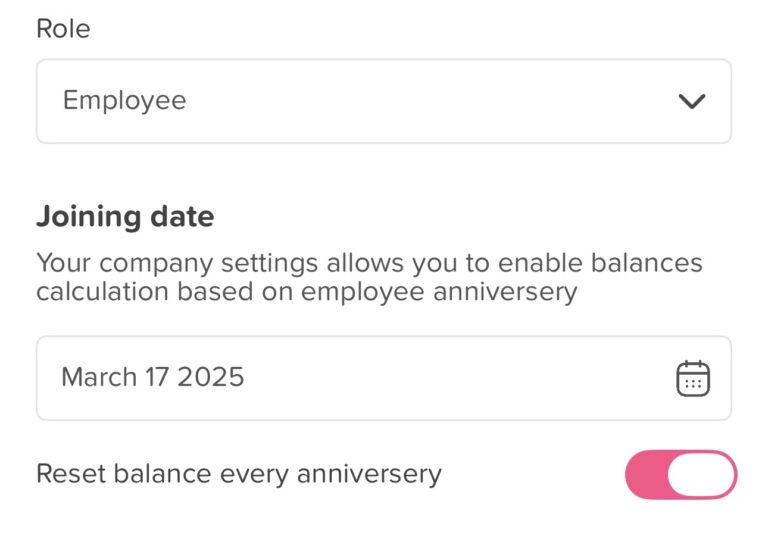
Example of a Midyear Accrual Change
Suppose an employee changes from salaried full-time to hourly part-time on July 1.
The employee previously received 120 PTO hours annually. Under the new hourly policy, they will receive 90 hours annually.
For the first six months of the year:
120 ÷ 12 × 6 = 60 hours
For the final six months:
90 ÷ 12 × 6 = 45 hours
The employee’s possible accrual for the full transition year is:
60 + 45 = 105 hours
This does not mean the employee’s balance must equal 105 hours. They may already have used some PTO or carried hours from the previous year.
The example only shows how much PTO may be earned during the transition year.
HR should not replace the entire year with the new 90-hour rate. The new rate should normally apply only from the effective date.
What Happens to Approved Future PTO?
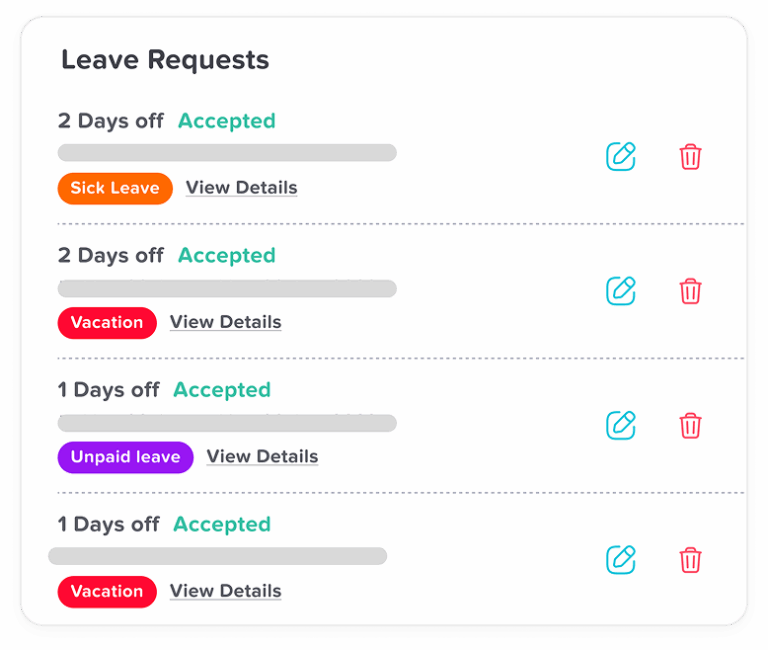
An employee may already have vacation approved for dates after they become hourly.
The approval can remain in place, but HR should review the number of scheduled hours that will be missed.
The Employee Keeps the Same Schedule
If the employee continues working eight hours per day, the original deduction may remain correct.
For example:
- Five approved days
- Eight scheduled hours per day
- Total deduction: 40 PTO hours
The Employee’s Daily Hours Become Shorter
Suppose the employee originally requested five eight-hour days:
5 × 8 = 40 hours
After becoming hourly, the employee works six hours per day:
5 × 6 = 30 hours
The PTO deduction may need to be reduced from 40 hours to 30 hours.
One of the PTO Dates Becomes a Non-Working Day
Suppose Friday becomes a regular non-working day under the employee’s new schedule.
A PTO request covering Monday through Friday should normally deduct time only for Monday through Thursday.
PTO should not usually be deducted for a day when the employee was not scheduled to work.
The New Workday Is Longer
If the employee moves to four 10-hour shifts, a full day of PTO may require 10 hours instead of eight.
The most accurate approach is to deduct PTO based on the scheduled working hours missed.
How Much PTO Should Be Deducted for an Hourly Employee?
Hourly PTO deductions should normally match the employee’s scheduled hours.
| Absence | Scheduled Time Missed | Possible Deduction |
|---|---|---|
| Full eight-hour shift | 8 hours | 8 PTO hours |
| Two hours late | 2 hours | 2 PTO hours |
| Leaves three hours early | 3 hours | 3 PTO hours |
| Full six-hour shift | 6 hours | 6 PTO hours |
| Full 10-hour shift | 10 hours | 10 PTO hours |
| Regular non-working day | 0 hours | 0 PTO hours |
This approach is more accurate than deducting one standard day for every absence.
It is especially important for employees who work:
- Part-time schedules
- Rotating shifts
- Compressed workweeks
- Different hours each day
- Variable weekly schedules
- Overnight shifts
Does PTO Count Toward Overtime?
PTO is paid time, but it is generally not treated as time actually worked when federal overtime is calculated.
For example:
- Hours worked: 32
- PTO used: 8
- Total paid hours: 40
- Federal overtime hours: 0
The employee received pay for 40 hours but only worked 32 hours.
Another example:
- Hours worked: 46
- PTO used: 8
- Total paid hours: 54
- Federal overtime hours: generally 6
The employee worked six hours beyond 40. Those six worked hours may qualify for federal overtime. The eight PTO hours do not create additional overtime by themselves.
Company policy, state law, or a collective bargaining agreement may provide a more generous rule.
Payroll should separate:
- Regular hours worked
- Overtime hours worked
- PTO hours
- Sick leave hours
- Holiday hours
- Other paid non-working time
How Does Becoming Hourly Affect Time Tracking?
A newly hourly employee may need to begin recording all working time.
This can include:
- Start time
- End time
- Meal breaks
- Short work performed outside the normal schedule
- Remote work
- Training
- Work-related travel
- Overtime
- Timesheet corrections
The employee should understand that checking emails, completing tasks, or responding to work messages outside scheduled hours may still count as working time.
Employees should not work off the clock.
The company should also explain whether overtime requires advance approval. Even when the employee did not receive permission, the company may still need to pay for work it allowed or knew was being performed. The failure to obtain approval can be handled separately as a policy issue.
What Rate Should Be Used to Pay PTO?
PTO is often paid using the employee’s current hourly rate.
For example:
- PTO used: 8 hours
- Current hourly rate: $30
- PTO pay: $240 before deductions
8 × $30 = $240
However, a different calculation may apply when the employee:
- Works at more than one hourly rate
- Receives shift differentials
- Earns commissions
- Uses statutory sick leave
- Is covered by a contract
- Works in a location with special paid leave rules
Payroll should confirm the correct rate for each leave type.
The PTO balance should normally remain recorded in hours rather than dollars. This makes it easier to apply the correct pay rate when the employee uses the leave.
What Happens to a Negative PTO Balance?
Some salaried employees are allowed to use PTO before they earn it.
For example:
- Available PTO before leave: 8 hours
- PTO used: 24 hours
- Current balance: negative 16 hours
When the employee becomes hourly, the company must decide whether the negative balance will:
- Continue under the new policy
- Be repaid through future accruals
- Be partially forgiven
- Be changed to unpaid leave
- Be handled through another approved arrangement
A common approach is to keep the negative balance and apply future accruals toward it.
For example:
- Starting balance: negative 16 hours
- Next accrual: 5 hours
- New balance: negative 11 hours
The company should not automatically deduct the amount from the employee’s wages without reviewing applicable wage-deduction rules.
A negative PTO policy should explain:
- The maximum negative balance
- Who may approve advance leave
- How future accruals repay it
- Whether new requests are allowed
- What happens when employment status changes
- What happens when employment ends
What if the Existing Balance Is Higher Than the New PTO Cap?
The salaried policy may allow a higher maximum balance than the hourly policy.
For example:
- Existing balance: 150 hours
- New hourly accrual cap: 120 hours
Immediately reducing the employee’s balance to 120 hours could remove 30 previously earned hours.
A safer approach may be to preserve the 150-hour balance and stop future accrual until the balance falls below 120 hours.
For example:
- Employee begins with 150 hours.
- Employee uses 40 hours.
- New balance becomes 110 hours.
- PTO accrual begins again.
Another option is to keep the excess balance in a separate protected leave bank.
HR should review applicable law before reducing an existing balance.
What if the PTO Bank Also Covers Sick Leave?
Some employers use one balance for vacation, sickness, appointments, and personal needs.
When an employee moves to a lower PTO accrual rate, the company must confirm that the revised plan still meets any applicable paid sick leave requirements.
HR should review:
- Minimum sick leave accrual
- Permitted reasons for use
- Family-care rules
- Carryover requirements
- Waiting periods
- Required balance notices
- Reinstatement after rehire
- Attendance protections
- Minimum request increments
A lower vacation benefit does not remove the company’s legal sick leave responsibilities.
Some employers keep vacation and sick leave separate because it makes compliance and reporting easier.
Protected Leave Must Be Reviewed Separately
Changing an employee from salaried to hourly does not remove their right to request protected leave.
Depending on the situation, the employee may still qualify for:
- Family and medical leave
- Disability accommodations
- Pregnancy-related accommodations
- Military leave
- Workers’ compensation leave
- State or local family leave
- Paid sick leave
The employee may use PTO at the same time as some types of protected leave, but the two issues should be tracked separately.
HR should ask:
- Is the employee receiving pay through PTO?
- Is the absence protected under an applicable law?
- How should the absence appear in attendance and payroll records?
An employee may have protected unpaid leave even when their PTO balance is zero.
Practical Transition Example
Consider this employee:
- Previous status: salaried
- Annual salary: $62,400
- Previous schedule: 40 hours per week
- Existing PTO entitlement: 120 hours annually
- Current PTO balance: 48 hours
- New status: hourly
- New rate: $30 per hour
- New schedule: 30 hours per week
- New PTO entitlement: 90 hours annually
- Effective date: July 1
A clear transition process could be:
- Preserve the existing 48-hour PTO balance.
- End the salaried accrual rule on June 30.
- Begin the hourly accrual rule on July 1.
- Assign the employee to the new 30-hour schedule.
- Review approved future requests.
- Recalculate future deductions using the new schedule.
- Begin tracking actual working hours.
- Explain overtime and break rules.
- Give the employee a written PTO statement.
- Review the first payroll and accrual after the change.
Common Situations and Possible Treatments
Confirm Why the Employee Is Becoming Hourly
Document whether the change is connected to:
- A new role
- Reduced hours
- Business restructuring
- Employee request
- Return from leave
- Reclassification
- Temporary assignment
This helps HR prepare the correct documents and explain the change clearly.
Review the Employee’s Classification
Confirm whether the employee will be exempt or nonexempt.
Do not assume the classification based only on the payment method.
Choose the Effective Date
Use a clear date, preferably at the beginning of a workweek or payroll period.
Confirm the New Hourly Rate
Explain how the rate was calculated and how overtime, bonuses, shift pay, and other compensation will work.
Audit the PTO Balance
Review:
- Current balance
- Accrual history
- Used PTO
- Carryover
- Pending requests
- Approved future requests
- Manual adjustments
- Negative balances
- Accrual caps
Assign the Correct PTO Policy
Determine whether the employee keeps the same entitlement or moves to a different hourly policy.
Convert Days to Hours
When the balance is in days, convert it using a clear and consistent method.
Update the Work Schedule
Record the employee’s new:
- Working days
- Daily hours
- Breaks
- Weekly total
- Shift pattern
Review Approved Leave
Check whether approved PTO still matches the employee’s new scheduled hours.
Set Up Time Tracking
Explain clock-in, clock-out, breaks, timesheets, corrections, and overtime approval.
Update Payroll
Confirm:
- Hourly rate
- PTO pay code
- Overtime rules
- Accrual method
- Effective date
- Workweek
Give the Employee a Written Statement
The employee should receive:
- Existing PTO balance
- New annual entitlement
- Accrual rate
- First accrual date
- New schedule
- Carryover rules
- Accrual cap
- Treatment of future leave
Review the First Pay Period
Compare:
- Recorded working hours
- PTO used
- Overtime
- PTO accrual
- Pay statement
- Remaining balance
Correct errors before they affect later payroll periods.
Sample Policy Language
Salaried-to-Hourly PTO Transition
When an employee moves from a salaried position to an hourly position, PTO earned before the effective date will remain available unless another treatment is required by applicable law or a written agreement.
Beginning on the effective date, the employee will earn PTO according to the policy assigned to their new employment category and work schedule.
PTO recorded in days will be converted to hours using the employee’s scheduled daily hours before the change, unless another approved method applies.
Previously approved leave will remain subject to review. The company may adjust the PTO deduction to match the employee’s scheduled hours on the approved leave dates.
PTO provides pay for time not worked. It is not normally counted as hours worked when calculating federal overtime.
The employee will receive written confirmation of their opening balance, new accrual rate, work schedule, and effective date.
This sample should be reviewed before it is added to an employee handbook.
Common Mistakes to Avoid
Removing the Employee’s Existing PTO Balance
Moving from salaried to hourly status does not automatically cancel PTO the employee already earned.
Before changing the balance, HR should review the company policy, the employee’s work location, and whether the leave is considered earned or protected under applicable law. In many cases, the safest approach is to preserve the existing balance and apply the new rules only to future accruals.
Applying the New Accrual Rate to the Entire Year
The new PTO rate should normally begin on the effective date of the employment change.
For example, if the employee becomes hourly on July 1, PTO earned from January through June should remain calculated under the salaried policy. Only accruals from July 1 onward should follow the new hourly policy.
Applying the new rate to the entire year can incorrectly reduce leave the employee already earned.
Keeping PTO in Days
Tracking PTO in days can become inaccurate when an employee’s daily hours change.
A PTO day may have represented eight hours under the old schedule but only six hours under the new schedule. Converting the balance into hours makes it easier to manage partial-day leave, variable schedules, and longer or shorter shifts.
Deducting Eight Hours for Every Absence
Hourly employees do not always work eight-hour days.
An employee may be scheduled for four, six, eight, ten, or twelve hours. The PTO deduction should normally match the scheduled working hours the employee missed.
For example, missing a six-hour shift should generally result in a six-hour PTO deduction, not eight hours.

Counting PTO as Hours Worked for Overtime
PTO provides pay for time the employee did not work. Under federal overtime rules, it generally does not count as hours worked.
For example, an employee who works 40 hours and uses eight PTO hours may receive pay for 48 hours but usually has no federal overtime hours.
Payroll should keep PTO hours separate from regular and overtime hours worked.
Ignoring Approved Future Leave
Previously approved vacation may need to be reviewed after the employee’s schedule changes.
If the employee moves from eight-hour days to six-hour days, a five-day vacation may require 30 PTO hours instead of 40. If one approved date becomes a regular non-working day, no PTO may need to be deducted for that date.
HR should review approved requests before the new schedule begins.
Forgetting to Update the Work Schedule
Accurate PTO deductions depend on an accurate employee schedule.
If the PTO system still shows the old salaried schedule, it may deduct the wrong number of hours. HR should update the employee’s working days, daily hours, breaks, and shift pattern as part of the transition.
Removing Hours Above the New Accrual Cap
The employee’s existing balance may be higher than the maximum allowed under the new hourly policy.
Instead of immediately removing the extra hours, the company may preserve the balance and pause future accrual. Accrual can begin again after the employee uses enough PTO to fall below the cap.
Any reduction of previously earned leave should be reviewed carefully.
Ignoring Paid Sick Leave Requirements
A combined PTO bank may cover vacation, personal time, and sick leave.
If the employee’s new PTO rate is lower, the company must confirm that the policy still satisfies applicable paid sick leave requirements. These may include minimum accrual rates, carryover rules, permitted uses, balance notices, and attendance protections.
Failing to Explain Time Tracking
An employee who previously received a salary may not be familiar with hourly timekeeping requirements.
The company should explain:
- How to clock in and out
- How to record breaks
- When timesheets are due
- How to correct a missed punch
- How overtime must be approved
- Why all work must be recorded
- Why off-the-clock work is not allowed
Clear instructions help prevent payroll errors and misunderstandings.
How Day Off Helps Manage the Change
Changing an employee from salaried to hourly requires HR to update several connected records. The employee’s PTO policy, work schedule, accrual rate, existing balance, approved requests, and future deductions may all be affected.
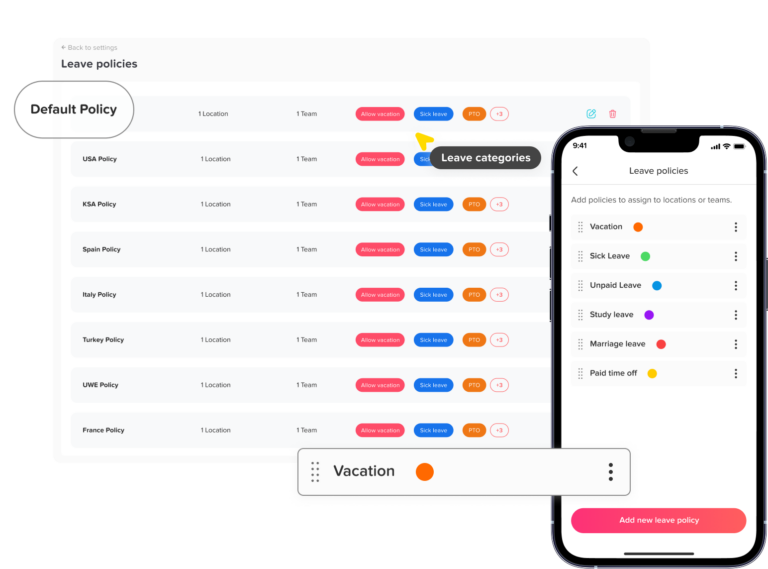
With Day Off, administrators can:
- Create separate policies for salaried and hourly employees
- Assign the employee to the correct leave policy
- Configure weekly, biweekly, semimonthly, or monthly accruals
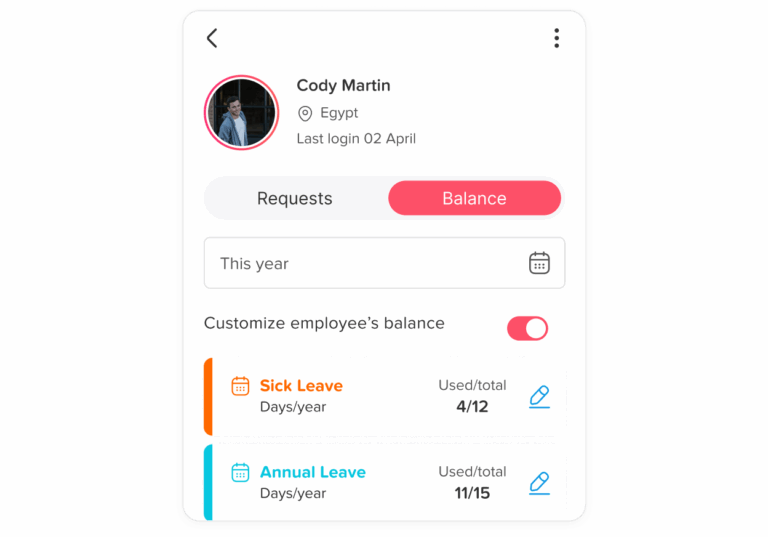
- Track PTO balances in hours
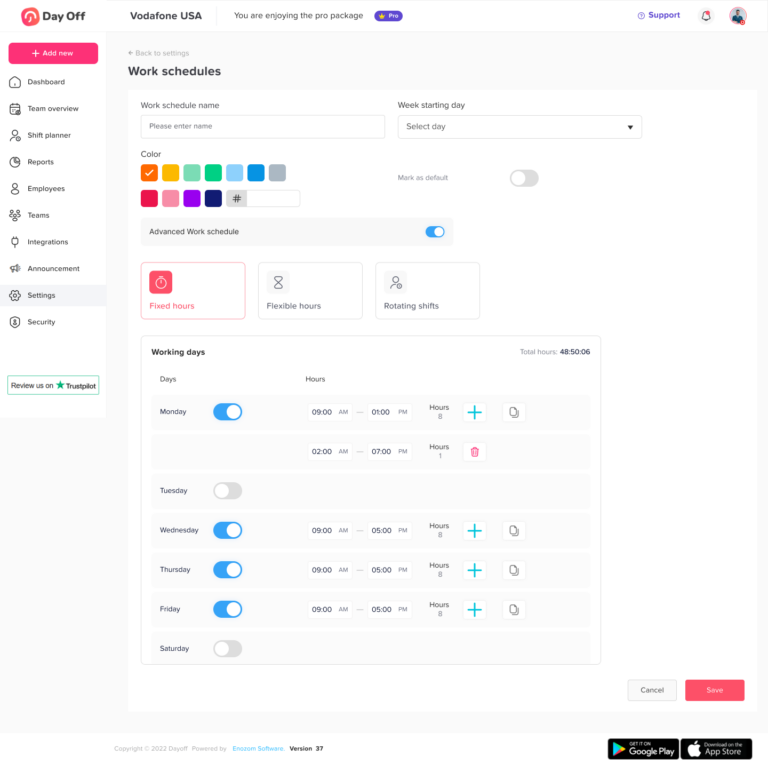
- Create fixed, flexible, or rotating work schedules
- Calculate leave deductions using scheduled hours
- Preserve or manually adjust existing balances
- Allow controlled negative balances
- Review pending, approved, rejected, and canceled requests
- Track accrual and balance history
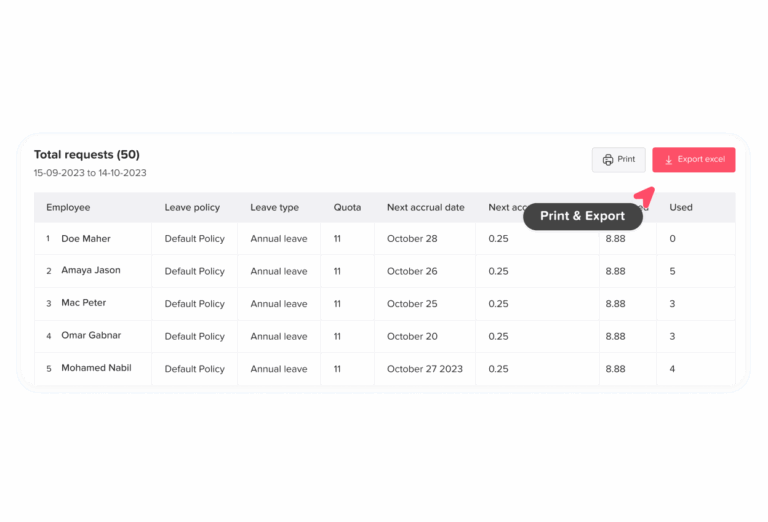
- Generate leave reports for HR and payroll
For example, suppose an employee changes from five eight-hour days to five six-hour days. After the new schedule is assigned, a full day of PTO can deduct six hours instead of eight.
Keeping leave policies, schedules, requests, balances, and reports in one system reduces the risk of duplicate deductions, incorrect balances, and payroll errors.
Frequently Asked Questions
What happens to PTO when an employee changes from salaried to hourly?
The employee’s current PTO balance should be reviewed before the change takes effect.
In many cases, the existing balance remains available, while future PTO follows the new hourly accrual policy. HR should also review approved future leave because the number of scheduled hours may change.
The employee should receive written confirmation showing the preserved balance, new accrual rate, effective date, and updated work schedule.
Does an employee lose PTO when becoming hourly?
Not automatically.
A change from salaried to hourly status does not normally erase PTO the employee already earned. Whether a balance can be reduced depends on the company’s policy, how the leave was provided, employment agreements, and applicable law.
The safer approach is often to preserve the existing balance and change only future accruals.
Can a company reduce PTO after making an employee hourly?
A company may be able to reduce the employee’s future PTO entitlement when the employee moves to a different schedule or employment category.
For example, an employee moving from 40 hours per week to 30 hours may move from 120 annual PTO hours to 90 hours.
The lower rate should normally apply from the effective date forward. PTO earned before that date should remain calculated under the previous policy.
How do you convert salaried PTO days into hours?
Multiply the number of unused PTO days by the number of working hours each day represented under the previous schedule.
For example:
10 PTO days × 8 hours = 80 PTO hours
The company should document the conversion method and provide the employee with the new balance in writing.
Should PTO be converted using the old schedule or the new schedule?
Using the old schedule often provides the clearest way to preserve leave already earned.
If one PTO day represented eight working hours when the employee earned it, 10 days would normally convert into 80 hours. Using the new shorter schedule could reduce the employee’s existing balance.
The final method should follow the written policy and applicable law.
Does PTO for hourly employees accrue based on hours worked?
It can, but this is not the only option.
Some employers provide a fixed amount each week, month, or pay period. Others provide one hour of PTO for every set number of eligible hours worked.
An hours-worked method can be useful for employees with variable schedules. The policy should explain whether overtime, holidays, PTO, sick leave, and other paid hours count toward accrual.
Does PTO count toward overtime?
PTO generally does not count as hours worked for federal overtime calculations.
For example:
- Hours worked: 40
- PTO used: 8
- Total paid hours: 48
- Federal overtime hours: usually 0
The employee received pay for 48 hours but only worked 40 hours.
Company policy, state law, or a collective bargaining agreement may provide a more generous rule.
Can an hourly employee use PTO for part of a day?
Yes, when the employer allows PTO to be used in hourly or partial-day increments.
For example, an employee who arrives two hours late may request two PTO hours. An employee who works five hours of an eight-hour shift may request three PTO hours for the remaining time.
The request should match the scheduled hours missed.
How much PTO should be deducted for an hourly employee?
The deduction should usually match the employee’s scheduled working hours on the leave date.
For example:
- Six-hour shift missed: 6 PTO hours
- Ten-hour shift missed: 10 PTO hours
- Two hours missed for an appointment: 2 PTO hours
- Regular non-working day: 0 PTO hours
Using scheduled hours is more accurate than deducting a standard eight hours for every absence.
What happens to vacation approved before the employee becomes hourly?
The approval may remain valid, but HR should review the employee’s new schedule.
The deduction may need to change if:
- The employee now works shorter days
- The employee now works longer shifts
- One approved date becomes a non-working day
- The employee moves to a rotating schedule
The company should tell the employee about any change before the vacation begins.
Can a PTO accrual rate change in the middle of the year?
Yes, when the company policy allows it.
The employee may earn PTO under one rate before the effective date and another rate afterward.
For example, if the employee becomes hourly on July 1:
- Accruals through June 30 follow the salaried policy
- Accruals from July 1 follow the hourly policy
HR should not normally recalculate the earlier part of the year using the new rate.
What rate is used to pay hourly PTO?
PTO is often paid using the employee’s regular hourly rate at the time the leave is used.
For example:
8 PTO hours × $30 per hour = $240 before deductions
Different rules may apply when the employee has multiple pay rates, receives commissions or shift differentials, uses statutory sick leave, or is covered by a contract.
Payroll should confirm the correct rate for each leave type.
What if the employee has more PTO than the new policy allows?
The company may preserve the existing balance and pause future accrual until the balance falls below the new cap.
For example:
- Existing balance: 150 hours
- New cap: 120 hours
- Accrual pauses
- Employee uses 40 hours
- New balance: 110 hours
- Accrual begins again
Immediately deleting the extra hours may remove previously earned PTO and should be reviewed carefully.
What happens to a negative PTO balance?
The company may carry the negative balance into the hourly policy and use future accruals to repay it.
For example:
- Starting balance: negative 12 hours
- Next accrual: 5 hours
- New balance: negative 7 hours
The policy should explain whether the employee can request more PTO while the balance is negative and what happens if employment ends before the hours are repaid.
Payroll deductions should not be made without reviewing applicable wage rules.
Do salaried and hourly employees need separate PTO policies?
Not always.
Both groups may use the same policy when their entitlements, accrual rates, carryover rules, caps, and eligibility requirements are identical.
Separate policies may be useful when salaried and hourly employees have different:
- Annual entitlements
- Accrual methods
- Work schedules
- Leave units
- Eligibility rules
- Maximum balances
The policy structure should be based on real differences, not simply the employee’s pay method.
Is becoming hourly the same as becoming nonexempt?
No.
Hourly employees are often nonexempt, but pay method alone does not decide the legal classification.
Exempt or nonexempt status may depend on the employee’s salary, duties, responsibilities, and applicable wage laws. HR should complete a separate classification review when the employee’s role changes.
Should the employee receive a new PTO balance statement?
Yes.
The statement should include:
- Existing PTO balance
- New annual entitlement
- New accrual rate
- Accrual frequency
- First accrual date
- Updated work schedule
- Treatment of approved future leave
- Carryover rules
- Accrual cap
- How to report an error
Providing this information before the transition helps the employee understand the change and gives HR time to correct mistakes before they affect leave or payroll.
Final Thoughts
Moving an employee from salaried to hourly requires careful planning. The company must update pay records, working schedules, time tracking, overtime rules, and PTO settings.
The employee should not automatically lose PTO they already earned. HR should preserve accurate historical balances, select a clear effective date, apply the new accrual rate going forward, and review approved future leave using the employee’s new scheduled hours.
Clear communication is also important. The employee should understand how much PTO they have, how they will earn more, how partial-day leave will work, and whether their approved vacation needs to be adjusted.
Day Off helps HR teams manage this transition by keeping PTO policies, work schedules, balances, requests, accruals, and reports in one organized system.