








Managing employee time off may seem simple when a company is small. An employee asks for a vacation, a manager approves it, and HR records the days somewhere. But as teams grow, work becomes more connected, and employees work across different locations, departments, or time zones, leave planning becomes much harder to manage manually. A shared leave calendar helps solve this by giving everyone a clear view of who is off, who is available, and when upcoming absences may affect team planning.

A shared leave calendar gives employees, managers, and HR teams one clear view of who is off, who is available, and when absences are coming up. Instead of searching through emails, spreadsheets, chat messages, or private calendars, everyone can access the same accurate information in one place.
For modern teams, a shared leave calendar is not just a nice feature. It is an essential part of effective leave management, team planning, and workplace transparency.
What Is a Shared Leave Calendar?
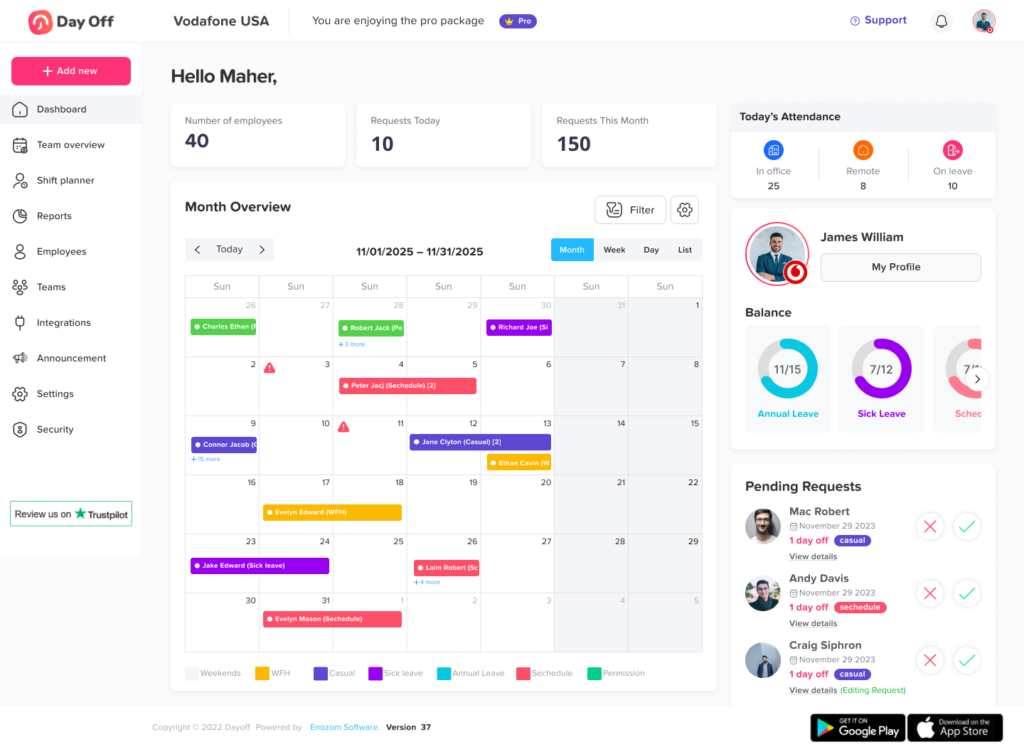
A shared leave calendar is a centralized calendar that displays employee time off across the company or within specific teams. It shows approved leave, upcoming vacations, sick days, public holidays, remote days, and other absence types depending on the company’s policy.
Instead of each manager or HR team maintaining separate records, the shared leave calendar keeps absence information visible and organized. Employees can check team availability before requesting time off, managers can review coverage before approving requests, and HR can track leave activity without constantly updating manual records.
A shared leave calendar is especially useful when it is part of a leave management system because it connects directly with leave requests, approvals, balances, policies, and reports.
Why Leave Visibility Matters
One of the biggest problems in manual leave management is lack of visibility. Employees may not know who is already away. Managers may approve leave without realizing that another key team member is off on the same dates. HR may need to answer repeated questions about availability, remaining balances, or holiday schedules.
When leave information is scattered across different tools, mistakes become more likely.
A shared leave calendar solves this by giving everyone access to the same updated view. This helps teams avoid confusion, plan ahead, and make better decisions about time off.
Good leave visibility supports:
- Better team planning
- Faster leave approvals
- Fewer scheduling conflicts
- Improved employee experience
- More accurate absence tracking
- Less manual work for HR
- Stronger communication between employees and managers
When everyone knows who is available, work becomes easier to organize.
Why Employees Need a Shared Leave Calendar
A shared leave calendar is not only useful for managers and HR teams. Employees benefit from it just as much. It gives them more confidence when planning time off and helps them understand how their absence may affect the team.
Employees Can Plan Time Off More Easily
Employees often want to take leave around holidays, school breaks, family events, travel plans, or personal commitments. Without a shared calendar, they may submit a request without knowing whether other team members have already booked the same period.
This can lead to rejected requests, delayed approvals, or last minute changes.
With a shared leave calendar, employees can check availability before submitting a request. They can see whether their preferred dates are already busy and choose a better time if needed. This makes the leave request process smoother and reduces frustration.
Instead of guessing, employees can plan with clarity.
Employees Understand Team Availability
Work often depends on collaboration. If one employee is away, another person may need to handle tasks, respond to clients, attend meetings, or support ongoing projects.
A shared leave calendar helps employees understand when teammates will be unavailable. This allows them to prepare in advance, adjust deadlines, hand over tasks, or schedule important discussions before someone takes time off.
This is especially helpful for:
- Project teams
- Customer support teams
- Sales teams
- Remote teams
- Small departments
- Teams with shared responsibilities
When employees know who is away, they can organize their work more effectively.
Employees Feel More Informed and Included
A lack of visibility can make leave management feel unclear. Employees may wonder why some requests are approved while others are rejected. They may not understand staffing needs or team availability during busy periods.
A shared leave calendar creates more transparency. Employees can see the bigger picture and better understand how leave decisions are made. This helps reduce misunderstandings and supports a fairer leave process.
Transparency also builds trust. When employees have access to clear information, they are less likely to feel that leave decisions are random or inconsistent.
Employees Can Avoid Overlapping Leave Conflicts
Overlapping leave is not always a problem, but it can become one when too many employees from the same team are away at the same time. This may affect deadlines, customer service, approvals, or daily operations.
A shared calendar helps employees avoid unnecessary overlap by showing upcoming absences before they submit requests.
For example, if two employees from the same department are already scheduled to be away, another employee may choose different dates. This helps the team maintain coverage without requiring managers to reject requests later.
Employees Spend Less Time Asking HR Questions
Without a shared leave calendar, employees often ask questions such as:
- Who is off next week?
- Is my manager available?
- Are we working on this public holiday?
- Can I request leave during this period?
- Is anyone else on my team away?
These questions create extra communication and slow down the process.
With a shared leave calendar, employees can find answers themselves. This gives them more control and reduces unnecessary back and forth with HR or managers.
Why Managers Need a Shared Leave Calendar
Managers are responsible for keeping work moving while also supporting employees’ need for time off. This balance becomes difficult when absence information is unclear or outdated.
A shared leave calendar gives managers the visibility they need to make better decisions.
Managers Can Approve Leave with Confidence
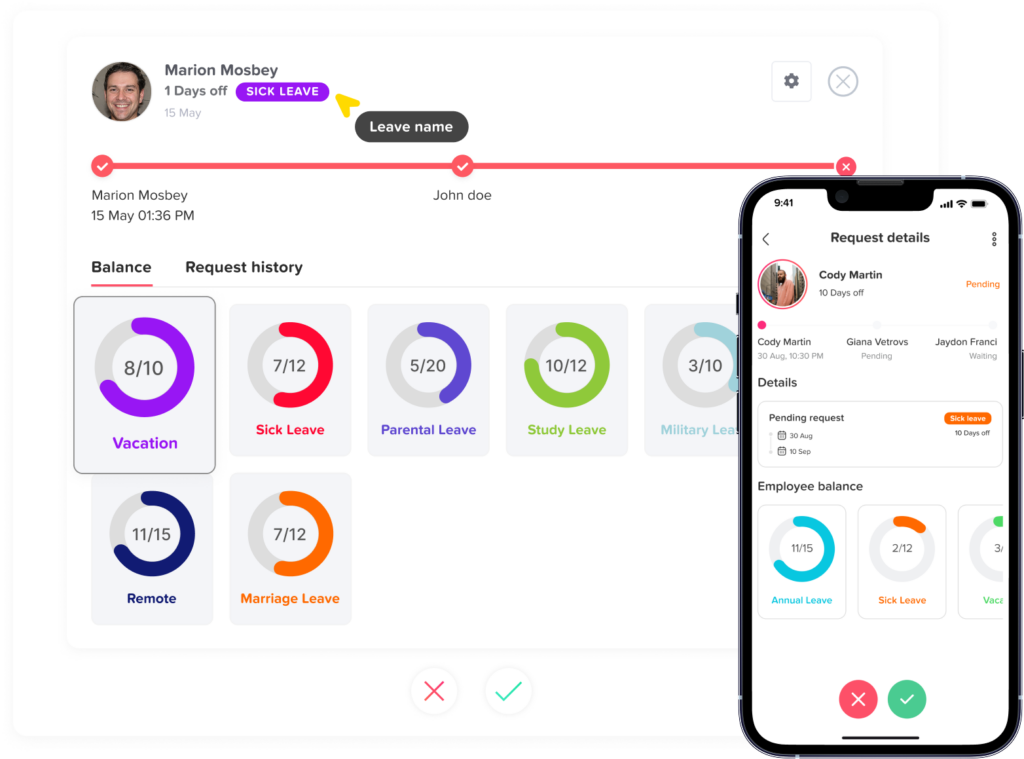
Approving leave should not be based on guesswork. Managers need to know whether the team will still have enough coverage, whether deadlines will be affected, and whether other employees are already away.
A shared leave calendar gives managers a clear view before making a decision.
They can quickly check:
- Who is already on leave
- Which dates are busy
- Whether a key role will be uncovered
- Whether the request overlaps with public holidays
- Whether the team can manage the absence
This helps managers approve requests faster and more fairly.
Managers Can Prevent Staffing Gaps
Staffing gaps happen when too many people are away at the same time or when an important role is not covered. This can affect productivity, customer service, project delivery, and daily operations.
A shared leave calendar helps managers identify potential gaps early.
For example, if several employees are planning leave during the same week, the manager can adjust schedules, assign backup responsibilities, or discuss alternative dates before the absence becomes a problem.
This proactive approach is much better than reacting at the last minute.
Managers Can Plan Workloads More Effectively
Employee availability has a direct impact on workload planning. If a manager does not know who will be away, it becomes difficult to assign tasks, set deadlines, or plan meetings.
A shared leave calendar helps managers plan workloads based on real availability.
They can:
- Schedule important tasks when the right people are available
- Avoid assigning urgent work to employees who will be away
- Plan handovers before vacations
- Adjust deadlines when needed
- Balance workloads across the team
This leads to smoother operations and fewer surprises.
Managers Can Improve Team Communication
Poor communication around leave can create confusion. Employees may not know who is covering tasks. Managers may forget to inform the team about upcoming absences. Important work may be delayed because no one was aware that a key person was away.
A shared leave calendar improves communication by making absence information visible to the team.
Instead of relying on reminders, messages, or verbal updates, the calendar becomes a single source of truth. Everyone can check it when planning meetings, assigning work, or preparing for deadlines.
Managers Can Make Fairer Leave Decisions
Fairness is important in leave management. Employees want to know that requests are handled consistently and that no one receives special treatment.
A shared leave calendar supports fair decision-making by giving managers a clear view of leave patterns and team availability. Managers can review requests based on business needs, coverage, and company policy rather than relying on memory.
This helps reduce bias and creates a more consistent approval process.
Why HR Teams Need a Shared Leave Calendar
HR teams are often responsible for managing leave policies, tracking balances, answering employee questions, and preparing reports. Without a shared calendar, HR may spend too much time collecting information from different places.
A shared leave calendar helps HR teams keep absence management organized and accurate.
HR Gets a Centralized View of Absences
A shared leave calendar gives HR a clear overview of employee time off across the company. This is especially useful for organizations with multiple teams, branches, departments, or locations.
Instead of checking different spreadsheets or asking managers for updates, HR can view approved leave and upcoming absences from one place.
This saves time and improves accuracy.
HR Can Reduce Manual Work
Manual leave tracking often requires HR to update spreadsheets, send reminders, check calendars, answer questions, and confirm approvals. These tasks may seem small, but they become time consuming as the company grows.
A shared leave calendar reduces this workload by keeping leave information updated automatically when requests are approved.
This allows HR teams to spend less time on administration and more time on employee experience, policy improvement, and workforce planning.
HR Can Support Better Leave Policies
A shared leave calendar can help HR understand absence trends. For example, HR may notice that certain periods have high vacation demand, some teams experience frequent overlap, or employees are not using enough time off.
These insights can help HR improve leave policies and communication.
A strong leave policy is easier to manage when HR has clear visibility into how employees actually use their time off.
HR Can Improve Compliance and Record Keeping
Accurate leave records are important for internal policies, payroll, compliance, and reporting. When leave information is stored manually, mistakes can happen. A request may be missed, a balance may be incorrect, or an absence may not be recorded properly.
A shared leave calendar connected to a leave management system helps keep records more reliable. Approved leave is recorded in the system, calendars stay updated, and HR has access to historical absence data when needed.
Common Problems Without a Shared Leave Calendar
Companies that do not use a shared leave calendar often face the same problems again and again.
These may include:
- Employees requesting leave without knowing team availability
- Managers approving overlapping requests by mistake
- HR spending too much time answering basic leave questions
- Leave balances and absence records becoming inaccurate
- Teams being surprised by upcoming absences
- Important deadlines being affected by poor planning
- Employees feeling confused about leave decisions
- Public holidays and company days off being missed
- Remote or hybrid teams struggling with visibility
These problems can create stress for employees, managers, and HR teams. They can also affect productivity and team trust.
A shared leave calendar helps prevent these issues before they become bigger problems.
Shared Leave Calendars for Remote and Hybrid Teams
Remote and hybrid work make leave visibility even more important. When employees are not working in the same office, it is harder to know who is available. A person may be offline because they are on leave, working in another time zone, attending a meeting, or simply unavailable.
A shared leave calendar gives remote and hybrid teams a clear view of planned absences.
This helps teams coordinate work across locations and time zones. Managers can plan coverage, employees can schedule meetings more effectively, and HR can keep absence records organized.
For distributed teams, a shared leave calendar creates structure without requiring constant messages or check ins.
Shared Leave Calendars and Public Holidays
Public holidays can make leave planning more complex, especially for companies with employees in different countries, states, or locations. One team may be working while another team has a public holiday. Some employees may plan vacations around long weekends, while others may be affected by local holiday schedules.
A shared leave calendar helps display holidays alongside employee leave.
This gives managers and employees a more complete view of availability. It also helps teams avoid scheduling important meetings or deadlines when key people are away due to public holidays or planned leave.
For companies with multiple locations, this feature is especially valuable.
How a Shared Leave Calendar Improves Team Planning
Team planning depends on knowing who is available. When managers and employees have access to a shared leave calendar, planning becomes more accurate.
A shared calendar helps teams:
- Prepare for upcoming absences
- Avoid scheduling conflicts
- Plan project timelines more realistically
- Assign backup responsibilities
- Organize meetings around availability
- Manage busy periods more effectively
- Reduce last minute confusion
Instead of discovering absences too late, teams can plan ahead and stay organized.
How a Shared Leave Calendar Improves Employee Experience
Leave management is part of the employee experience. If requesting time off is confusing, slow, or unclear, employees may feel frustrated. They may hesitate to take leave or feel uncertain about whether their request will be approved.
A shared leave calendar makes the process easier and more transparent.
Employees can see availability, submit requests with more confidence, and understand how their time off fits into the team schedule. This creates a smoother experience and encourages healthier use of time off.
When employees feel that leave management is simple and fair, it supports trust and workplace satisfaction.
How a Shared Leave Calendar Supports Better Work Life Balance
Employees need time off to rest, recover, travel, handle personal responsibilities, and avoid burnout. But if the leave process feels difficult, employees may delay taking time off or avoid requesting it altogether.
A shared leave calendar helps normalize time off by making it part of regular team planning.
When employees can easily see available dates and managers can plan coverage in advance, leave becomes easier to take without causing disruption. This supports better work life balance while still protecting team productivity.
What Makes a Good Shared Leave Calendar?
Not all calendars are equally useful. A good shared leave calendar should be clear, easy to use, and connected to the company’s leave process.
The best shared leave calendars usually include:
- Approved leave requests
- Pending leave requests
- Public holidays
- Team and department filters
- Employee availability
- Leave types
- Mobile access
- Manager approval visibility
- Calendar integrations
- Automatic updates
- Role based permissions
The goal is not just to show who is away. The goal is to give employees, managers, and HR teams the right information at the right time.
Why a Shared Leave Calendar Works Best with Leave Management Software
A shared calendar is useful on its own, but it becomes much more powerful when it is part of leave management software.
With leave management software, the calendar is connected to the entire PTO process. Employees submit requests, managers approve or reject them, balances update automatically, and the calendar reflects the latest information.
This removes the need for manual updates and reduces the risk of mistakes.
A leave management system like Day Off helps companies manage:
- Leave requests
- PTO balances
- Custom leave types
- Approval workflows
- Company holidays
- Team calendars
- Employee availability
- Reports and records
- Mobile access for employees and managers
By combining leave tracking with a shared leave calendar, companies can manage time off more clearly and efficiently.
Why Day Off Makes Shared Leave Planning Easier
Day Off helps teams manage employee time off from one simple platform. Employees can request leave from the mobile app or web platform, while managers can review and approve requests quickly.
The shared leave calendar gives teams better visibility into upcoming absences, approved leave, holidays, and employee availability. This makes it easier to plan work, avoid overlaps, and keep everyone informed.
With Day Off, companies can move away from scattered spreadsheets, emails, and chat messages. Instead, leave requests, approvals, balances, and calendars stay organized in one place.
Day Off is available on iOS, Android, and web, making it easy for employees and managers to access leave information wherever they work.
Final Thoughts
A shared leave calendar is one of the simplest ways to improve leave management. It gives employees the visibility they need to plan time off, helps managers maintain team coverage, and allows HR teams to reduce manual work.
Without a shared calendar, leave planning can quickly become confusing. Requests may overlap, managers may miss important absences, and employees may feel uncertain about availability.
With a shared leave calendar, everyone works from the same clear view.
For growing teams, remote teams, and companies that want a better way to manage PTO, a shared leave calendar is essential. It improves planning, communication, transparency, and employee experience.
When time off is easy to see and simple to manage, teams can stay productive while employees get the rest they need.