







Paid time off is one of the most important employee benefits in any workplace. It gives employees the chance to rest, recover, spend time with family, travel, handle personal responsibilities, and return to work with better energy and focus. But for PTO to work well, employees need one very important thing: clear visibility into their PTO balance.
When employees do not know how many vacation days, sick days, personal days, or paid leave hours they have left, confusion starts quickly. They may hesitate to request time off, ask HR the same questions repeatedly, make incorrect assumptions about their available balance, or delay vacations because they are unsure whether they have enough PTO. For HR teams and managers, unclear PTO balances can lead to manual calculations, repeated messages, payroll mistakes, approval delays, and unnecessary administrative work.

That is why employees should always know their PTO balance.
A clear and accurate PTO balance gives employees confidence, improves transparency, supports better planning, and reduces confusion between employees, managers, and HR teams. It also helps companies create a healthier, more organized workplace where time off is easy to request, easy to approve, and easy to track.
With a PTO tracking system like Day Off, employees can view their leave balances, request time off, check approvals, and understand their available PTO without needing to ask HR every time. This creates a smoother leave management process for everyone.
In this article, we will explain why PTO balance visibility matters, what happens when employees do not know their available time off, and how companies can improve PTO tracking with a centralized leave management system.
What Is a PTO Balance?
A PTO balance is the amount of paid time off an employee has available to use. It may be shown in days, hours, or another unit depending on the company’s leave policy.
A PTO balance usually includes time off types such as:
- Vacation leave
- Sick leave
- Personal leave
- Unpaid leave tracking
- Maternity or paternity leave
- Compensatory time off
- Emergency leave
- Half-day leave
- Public holiday-related leave
- Custom leave types
For example, an employee may have 15 vacation days per year. If they have already used 5 days, their remaining PTO balance is 10 days. In companies that use hourly balances, the system may show PTO in hours instead of days.
A PTO balance can also change over time. Some companies give employees all their PTO at the beginning of the year. Others use PTO accrual, where employees earn time off gradually each week, month, or pay period. Some companies allow unused PTO to carry over into the next year, while others apply expiration rules or carryover limits.
Because PTO balances can change based on company policy, usage, accruals, carryover, leave approvals, and adjustments, manual tracking can easily become confusing. That is why accurate PTO balance tracking is essential.
Why PTO Balance Visibility Matters
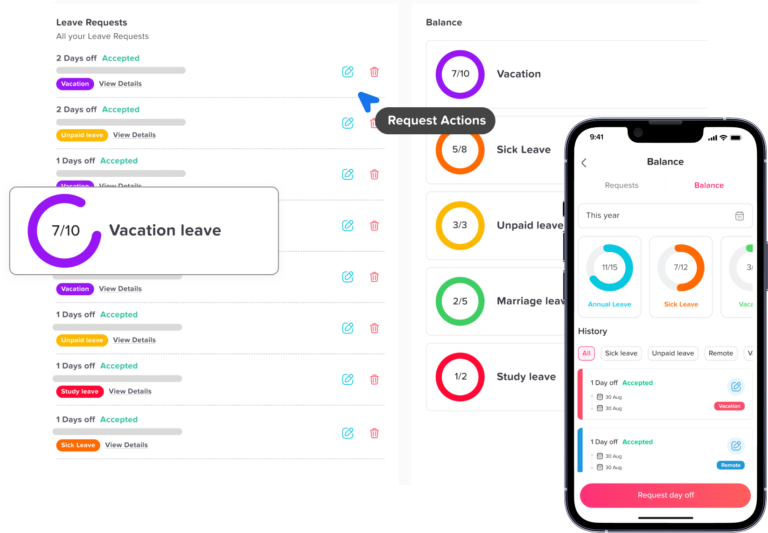
Employees should not need to guess how much time off they have left. They should not have to send repeated messages to HR or search through old emails to understand their available leave.
PTO balance visibility matters because it gives employees clear answers. When employees can see their leave balance at any time, they can make better decisions about when to request time off, how much leave to use, and how to plan around work responsibilities.
For HR teams, visibility reduces repetitive questions and manual work. For managers, it makes leave approvals easier because employees are more likely to request time off based on accurate information. For companies, it supports better workforce planning and a more transparent workplace culture.
In simple terms, clear PTO balances help everyone stay aligned.
The Problem with Unclear PTO Balances
When employees do not know their PTO balance, the leave management process becomes harder than it should be. What should be a simple request can turn into a long back-and-forth conversation between the employee, manager, and HR team.
An employee may ask, “How many days do I have left?” HR may need to check a spreadsheet. The manager may need to confirm previous approvals. The employee may have used half-days or sick days that were not updated. If the company has multiple leave policies, accrual rules, or carryover limits, the calculation becomes even more complicated.
This creates several common problems.
Employees Delay Taking Time Off
When employees are unsure about their PTO balance, they may avoid requesting leave. They may worry that they do not have enough days available, or they may not want to create extra work for HR by asking for clarification.
This can lead employees to postpone vacations, skip rest periods, or avoid taking time off even when they need it.
Over time, this can contribute to stress, fatigue, and burnout. A healthy workplace should make it easy for employees to understand and use their paid time off. If employees cannot clearly see their PTO balance, they may not feel comfortable planning time away from work.
HR Teams Receive Repeated PTO Questions
One of the most common HR frustrations is answering the same PTO balance questions again and again.
Employees may ask:
- How many vacation days do I have left?
- Did my sick leave reduce my PTO balance?
- Do my unused days carry over?
- How many days did I use this month?
- Was my last request deducted correctly?
- Do I have enough PTO for my upcoming vacation?
When PTO balances are tracked manually, HR teams must spend time checking records, calculating balances, and replying to employees. This may seem like a small task, but across a growing company, it becomes a major administrative burden.
A PTO tracker helps solve this by giving employees direct access to their balance.
Managers Make Approval Decisions Without Full Context
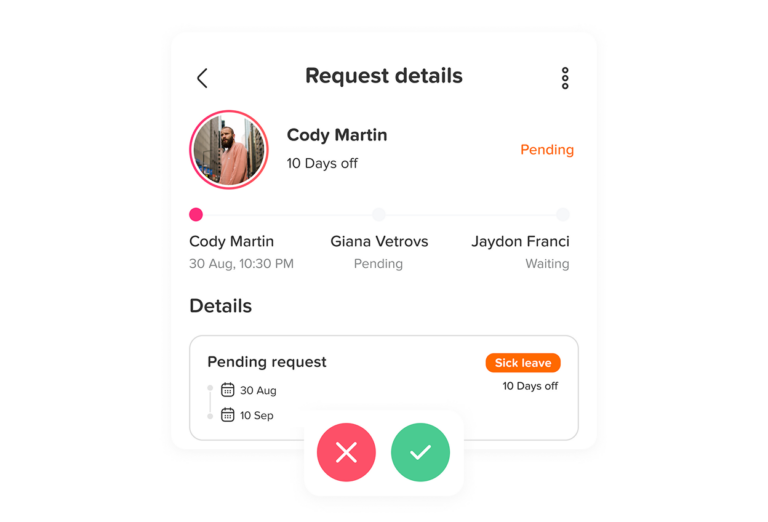
Managers need accurate leave information before approving time off. If they cannot quickly see whether an employee has enough PTO available, they may approve requests that later need correction. Or they may delay approvals while waiting for HR to confirm the balance.
This slows down the leave request process.
When employees and managers can both see accurate PTO balances, approval decisions become faster and more confident. Managers can focus on team coverage and business needs instead of checking manual records.
Payroll Mistakes Become More Likely
PTO balances can affect payroll, especially when employees take paid leave, unpaid leave, half-days, or leave that exceeds their available balance. If PTO records are inaccurate, payroll mistakes can happen.
For example, an employee may be paid for a day off that should have been unpaid. Another employee may have PTO deducted twice. Someone may use more leave than they actually have available. These errors can damage trust and create extra work for HR and finance teams.
Accurate PTO balance tracking helps reduce these risks.
Employees Lose Trust in the Leave Process
Transparency matters. When employees cannot easily see their PTO balance, they may feel uncertain about whether leave is being tracked fairly.
If balances are updated late, calculated manually, or changed without clear explanation, employees may start to question the process. Even small errors can create frustration if employees feel they do not have visibility into their own benefits.
A clear PTO balance gives employees confidence. It shows that the company values transparency and wants employees to understand their time off
Workforce Planning Becomes Harder
Employee time off affects team planning. Managers need to know when employees are away, how much leave they may still request, and whether multiple team members are likely to be off during the same period.
If PTO balances are unclear, planning becomes harder. Employees may submit unexpected requests because they only recently discovered they had unused PTO. Others may rush to use remaining days before the year ends. This can create scheduling conflicts and coverage problems.
Clear PTO balances help employees plan earlier and help managers prepare better.
Why Employees Should Always Know Their PTO Balance
Knowing a PTO balance is not just an administrative detail. It affects how employees plan their lives, manage stress, communicate with managers, and use their benefits.
Here are the main reasons employees should always have access to their PTO balance.
It Helps Employees Plan Time Off with Confidence
Employees need time off for many reasons. They may want to plan a family vacation, attend an event, take care of personal matters, recover from illness, or simply rest.
When employees know their PTO balance, they can plan with confidence. They can decide whether they have enough days available, how much time they want to save for later, and when to submit a request.
This reduces uncertainty and makes the leave request process smoother.
Instead of asking HR, waiting for a reply, and then planning, employees can check their available balance directly and make informed decisions.
It Encourages Employees to Use Their PTO
Employees are more likely to use their time off when the process is clear and simple. If they can see their PTO balance, they are reminded that time off is available and meant to be used.
When PTO balances are hidden or hard to understand, employees may forget about unused days or avoid requesting leave. This can lead to unused PTO, stress, and burnout.
A transparent PTO tracking system encourages healthier time off behavior. Employees can see their available balance and plan rest before they become overwhelmed.
It Reduces Confusion Around Leave Policies
Many companies have different types of leave, each with its own rules. Vacation leave may be paid. Sick leave may follow a different policy. Unpaid leave may require special approval. Some leave may carry over, while other leave may expire.
Without clear tracking, employees may not understand how each leave type affects their balance.
A good leave management system shows employees the right balance for each leave type. This helps them understand their benefits and reduces confusion around company policies.
For example, an employee may see separate balances for vacation leave, sick leave, personal leave, and unpaid leave. This clarity helps them request the correct type of time off.
It Improves Transparency Between Employees and HR
When PTO balances are visible, employees and HR teams are working from the same information. This reduces misunderstandings and creates a more transparent process.
Employees do not need to wonder whether their balance is correct. HR does not need to explain the same calculations repeatedly. If a question comes up, both sides can review the same records.
Transparency is especially important in growing companies where manual communication becomes harder to manage.
It Helps Managers Approve Requests Faster
Managers often need to balance employee time off with team coverage. They need to know whether the employee has enough PTO available and whether the requested dates create scheduling conflicts.
When PTO balances are easy to access, managers can approve or reject requests faster. They do not need to wait for HR to confirm the employee’s remaining balance.
This creates a faster and more organized approval process.
It Supports Better Work-Life Balance
PTO is designed to support work-life balance. But employees can only use it effectively if they understand how much time off they have.
When employees know their PTO balance, they can plan breaks throughout the year instead of waiting until they are exhausted. They can schedule vacations, personal days, and recovery time in a healthier way.
This supports employee well-being and helps create a workplace culture where taking time off is normal and encouraged.
It Helps Avoid Last-Minute Leave Problems
When employees do not know their remaining PTO, they may wait until the end of the year to check their balance. This can lead to last-minute leave requests, especially if they discover unused days that may expire soon.
Last-minute requests can create problems for managers, especially during busy periods or when several employees want time off at the same time.
Clear PTO balance visibility helps employees plan earlier. They can see their remaining days throughout the year and request time off before it becomes urgent.
It Makes Leave Management Fairer
Fairness is important in leave management. Employees want to know that PTO is being tracked consistently and that everyone follows the same process.
When PTO balances are visible and updated automatically, it reduces the feeling that leave is being handled informally or unfairly.
A centralized PTO tracking system helps apply leave policies consistently across employees, teams, and locations.
It Reduces Manual Errors
Manual PTO tracking can lead to mistakes. A spreadsheet may not be updated. A manager may forget to report an approved request. A formula may be incorrect. A half-day may be entered as a full day. Carryover may be calculated incorrectly.
When employees can see their PTO balance in a leave management system, errors are easier to notice and correct. Automated tracking also reduces the risk of mistakes in the first place.
It Gives Employees More Control
Employees should have easy access to information about their own benefits. PTO is part of the employee experience, and employees should not need to depend on HR for every update.
A PTO tracker gives employees more control. They can check balances, request leave, review previous requests, and plan time off without unnecessary delays.
This creates a better experience and helps employees feel more empowered.
How PTO Balance Tracking Helps HR Teams
Clear PTO balance tracking does not only help employees. It also makes HR work easier, faster, and more accurate.
HR teams benefit because they can reduce manual calculations, avoid repeated questions, and maintain better records.
Less Time Spent Answering Balance Questions
When employees can check their own PTO balance, HR teams receive fewer repetitive questions. This saves time and allows HR to focus on more important work, such as employee engagement, policy improvement, onboarding, compliance, and workforce planning.
More Accurate Leave Records
A PTO tracking system keeps leave records organized and updated. Approved requests can automatically reduce the correct balance, and HR can review historical records when needed.
This reduces the chance of missing or duplicated entries.
Easier Reporting
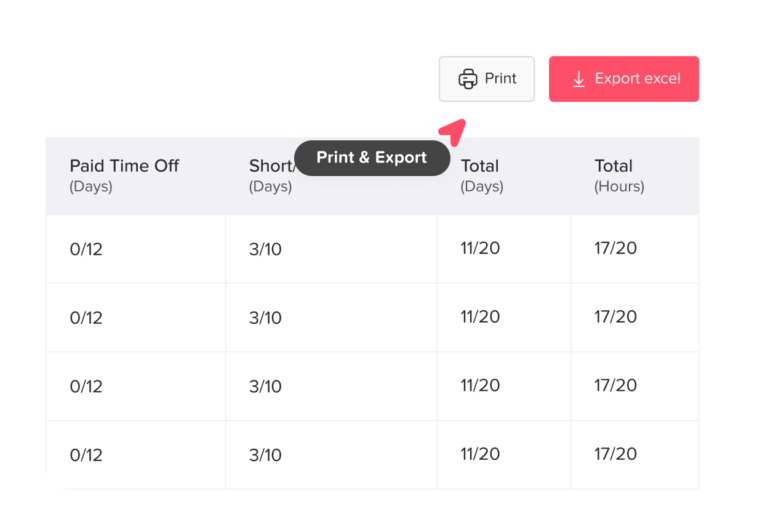
HR teams often need reports on employee leave usage, remaining balances, absences, and trends. With manual tracking, reports can take a long time to prepare.
A leave management system makes reporting easier by keeping all leave data in one place.
Better Policy Management
Companies may have different leave policies for different teams, locations, employee types, or countries. A PTO tracking system helps HR manage these policies more consistently.
Instead of manually remembering every rule, HR can set up policies in the system and let the platform calculate balances based on those rules.
Stronger Support for Payroll
Accurate PTO balances support payroll accuracy. When paid leave, unpaid leave, and absence records are tracked clearly, payroll teams can process information with fewer corrections.
This is especially important for companies with hourly employees, part-time workers, or employees using different leave types.
How PTO Balance Visibility Helps Managers
Managers need to plan work around employee availability. PTO balance visibility helps them make better decisions and avoid scheduling surprises.
Better Team Coverage Planning
When employees know their PTO balance and request leave earlier, managers have more time to plan coverage. This is especially important during holidays, busy seasons, project deadlines, and peak vacation periods.
Faster Leave Approvals
Managers can approve leave faster when balance information is clear. They can focus on whether the team can support the absence instead of waiting for HR to confirm the employee’s remaining PTO.
Fewer Scheduling Conflicts
A shared leave calendar and accurate PTO balances help managers avoid overlapping absences. They can see who is already off and make better approval decisions.
Better Communication with Employees
When managers and employees can both view leave information, conversations become easier. Instead of debating whether a balance is correct, both sides can focus on planning and coverage.
Why Manual PTO Balance Tracking Is Risky
Many companies still use spreadsheets to track PTO balances. While spreadsheets may seem simple, they often become unreliable as the company grows.
Manual PTO tracking can create problems such as:
- Incorrect formulas
- Outdated balances
- Duplicate entries
- Missed leave requests
- Unclear approvals
- Version control issues
- Delayed updates
- No employee self-service
- Limited reporting
- Difficult policy management
A spreadsheet may work when a company has five employees. But when the team grows, the number of leave requests, policies, balances, and approvals increases. Manual tracking becomes harder to maintain and easier to get wrong.
A PTO tracker like Day Off helps companies replace spreadsheets with a more accurate and organized system.
What Employees Should Be Able to See in a PTO Tracker
A good PTO tracking system should give employees clear and useful information. It should not only show a number. It should help employees understand their available time off and how it changes.
Employees should be able to see:
- Their current PTO balance
- Available vacation days
- Available sick leave
- Used leave
- Pending leave requests
- Approved leave requests
- Rejected leave requests
- Upcoming time off
- Leave history
- Carryover days
- Accrued PTO
- Remaining balance after pending requests
- Different leave types
- Company holidays
- Team calendar visibility
This information helps employees plan better and reduces confusion.
How Day Off Helps Employees Know Their PTO Balance
Day Off helps businesses make PTO tracking simple and transparent. Instead of relying on manual spreadsheets or repeated HR messages, employees can view their leave balances directly in Day Off.
With Day Off, companies can manage leave requests, approvals, PTO balances, custom leave types, shared calendars, reports, and employee records from one platform.
Employees can easily check how many days they have available, request time off, and follow the status of their requests. Managers can review requests and understand team availability, while HR teams can keep accurate records without constantly updating spreadsheets.
Day Off helps teams create a smoother leave management process by making PTO balances visible, accurate, and easier to manage.
Day Off Features That Support PTO Balance Visibility
Day Off includes several features that help companies improve PTO balance tracking.
Employee Self-Service
Employees can view their PTO balance without asking HR. This saves time and gives employees faster access to the information they need.
Custom Leave Types
Companies can create different leave types, such as vacation, sick leave, personal leave, unpaid leave, maternity leave, or any custom leave type that matches their policy.
Automated Balance Tracking
Day Off helps track used, remaining, and available leave balances based on employee requests and company policies.
Approval Workflows
Managers can approve or reject leave requests directly in the system. This keeps approvals organized and connected to PTO balances.
Shared Leave Calendar
A shared leave calendar helps teams see who is away and when. This improves planning and reduces overlapping leave conflicts.
Reports and Exports
HR teams can generate reports to review leave usage, balances, and employee absence data.
Support for Teams and Locations
Day Off helps companies manage leave across teams, departments, and locations, making it useful for growing businesses and distributed teams.
PTO Balance Visibility for Remote and Hybrid Teams
Remote and hybrid teams need clear digital systems. Employees may work from different locations, time zones, or schedules, which makes manual leave tracking more difficult.
If remote employees need to ask HR every time they want to know their PTO balance, the process becomes slow and inefficient. A digital PTO tracker gives remote and hybrid employees equal access to leave information from anywhere.
This helps companies create a consistent leave experience for all employees, whether they work in the office, from home, or across different locations.
PTO Balance Visibility for Growing Companies
As companies grow, PTO tracking becomes more complex. More employees means more leave requests, more approvals, more policies, and more balance calculations.
A growing company needs a system that can scale. Manual methods may work early on, but they often become difficult to manage as the business expands.
Day Off helps growing companies centralize PTO tracking and give employees clear visibility into their balances. This supports better HR operations and a more professional employee experience.
PTO Balance Visibility and Employee Trust
Trust is a major part of employee experience. When employees trust that their PTO balance is accurate, they feel more confident using their benefits.
If employees regularly find errors in their balance or cannot easily understand how their leave is calculated, trust can decrease. They may feel that the company is disorganized or that their time off is not being handled fairly.
Clear PTO balance visibility helps build trust by making the process transparent and consistent.
PTO Balance Visibility and Burnout Prevention
Employees need time away from work to rest and recover. But if employees do not know how much PTO they have available, they may delay taking time off.
Over time, this can contribute to burnout.
A visible PTO balance reminds employees that their time off exists and encourages them to plan breaks. It also helps managers notice when employees are not using their PTO and may need encouragement to take time away.
A healthy PTO culture starts with visibility.
How to Improve PTO Balance Transparency in Your Company
Companies that want to improve PTO balance visibility should focus on making leave information easy to access, accurate, and updated.
Here are practical steps:
- Use a centralized PTO tracking system
- Allow employees to view their own balances
- Update balances automatically after approvals
- Separate different leave types clearly
- Use a shared leave calendar
- Create clear leave policies
- Make accrual and carryover rules easy to understand
- Give managers access to team availability
- Review PTO reports regularly
- Encourage employees to plan time off in advance
These steps help create a better leave management process for employees, managers, and HR teams.
Why PTO Balance Tracking Should Be Part of Every Leave Management Strategy
A strong leave management strategy is not only about approving or rejecting requests. It is about helping employees understand their benefits, giving managers visibility into availability, and helping HR teams maintain accurate records.
PTO balance tracking is at the center of this process.
When balances are clear, employees can plan better. Managers can approve faster. HR teams can work more efficiently. Payroll teams can avoid mistakes. Companies can build a healthier and more transparent workplace culture.
For this reason, PTO balance tracking should be a priority for any business that wants to improve employee experience and reduce HR workload.
Frequently Asked Questions
What is a PTO balance?
A PTO balance is the amount of paid time off an employee has available to use. It may include vacation days, sick leave, personal leave, or other types of paid leave depending on the company’s policy.
Why should employees know their PTO balance?
Employees should know their PTO balance so they can plan vacations, request time off confidently, avoid confusion, and understand how much leave they have available.
How does PTO balance tracking help HR teams?
PTO balance tracking helps HR teams reduce manual calculations, answer fewer repetitive questions, maintain accurate leave records, and prepare better reports.
Can unclear PTO balances affect payroll?
Yes. If PTO balances are inaccurate, payroll mistakes can happen. Employees may be paid incorrectly, unpaid leave may be recorded wrongly, or PTO may be deducted incorrectly.
How can companies make PTO balances more transparent?
Companies can make PTO balances more transparent by using a PTO tracking system, allowing employee self-service, updating balances automatically, and clearly separating different leave types.
Does Day Off help employees view their PTO balance?
Yes. Day Off helps employees view their PTO balance, request leave, check approvals, and understand their available time off from one centralized platform.
Is PTO balance tracking useful for remote teams?
Yes. PTO balance tracking is very useful for remote and hybrid teams because employees can access their leave information from anywhere without needing to ask HR manually.
Why is a PTO tracker better than spreadsheets?
A PTO tracker is better than spreadsheets because it reduces manual errors, updates balances more easily, supports approvals, improves reporting, and gives employees direct access to their PTO information.
Final Thoughts
Employees should always know their PTO balance because it helps them plan time off confidently, understand their benefits, reduce confusion, and maintain a healthier work-life balance.
For companies, clear PTO balance visibility reduces HR workload, improves manager decision-making, supports payroll accuracy, prevents scheduling conflicts, and builds trust with employees.
Manual PTO tracking often creates errors, delays, and unnecessary questions. A centralized PTO tracker like Day Off gives employees direct access to their leave balances while helping HR teams manage requests, approvals, reports, and policies more efficiently.
With Day Off, businesses can create a transparent and organized leave management process where employees always know how much time off they have available. This leads to better planning, fewer misunderstandings, and a smoother experience for everyone.