







Managing a team is not only about assigning tasks, setting deadlines, and tracking performance. It is also about knowing who is available, when employees are taking time off, and how absences may affect daily work. Leave management software makes this process easier by giving teams a clear view of employee availability and upcoming time off. When leave requests are handled through spreadsheets, emails, chat messages, or verbal approvals, team planning can quickly become confusing.

A single missed vacation request can affect project timelines. An outdated leave balance can create frustration. Two employees taking time off at the same time may leave a department understaffed. These problems may seem small at first, but as a company grows, they can make workforce planning harder for managers, HR teams, and employees.
This is where leave management software becomes valuable. It gives companies a clear, organized, and reliable way to manage employee time off. By centralizing leave requests, approvals, balances, calendars, and reports, leave management software helps teams plan better, avoid scheduling conflicts, and maintain smooth business operations.
What Is Leave Management Software?
Leave management software is a digital system that helps companies manage employee time off from one place. It allows employees to request leave, managers to approve or reject requests, and HR teams to track balances, policies, holidays, and reports without depending on manual updates.
Instead of using scattered tools such as spreadsheets, emails, paper forms, or messaging apps, leave management software keeps the entire process organized. Employees can see their available balance, submit requests, and check approval status. Managers can view team availability before making decisions. HR teams can monitor leave trends and maintain accurate records.
For growing teams, this creates a more transparent and efficient process. Everyone has access to the right information, and planning becomes easier because absence data is no longer hidden across different channels.
Why Team Planning Depends on Accurate Leave Management
Good team planning requires clear visibility. Managers need to know who is working, who is away, and whether the team has enough coverage to handle upcoming responsibilities. Without accurate leave information, planning becomes based on assumptions.
For example, a manager may assign an important task to an employee without realizing that the employee will be on vacation next week. HR may approve leave without knowing that another team member has already requested the same dates. A department may enter a busy season without enough staff because absences were not reviewed in advance.
These situations can lead to:
- Missed deadlines
- Overlapping vacations
- Understaffed shifts
- Unbalanced workloads
- Employee frustration
- Delays in approvals
- Extra administrative work for HR
- Poor communication between departments
Leave management software helps prevent these issues by making employee availability visible and easy to manage.
It Gives Managers Better Visibility Into Team Availability
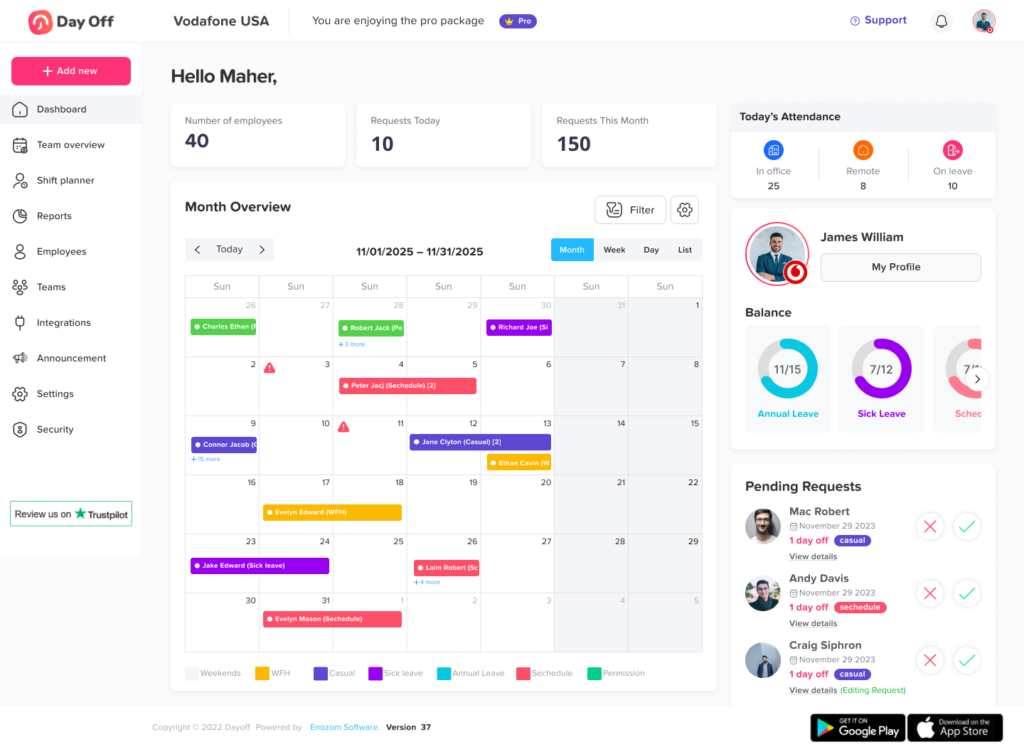
One of the biggest ways leave management software improves team planning is by giving managers a clear view of employee availability. Instead of checking multiple spreadsheets or asking HR for updates, managers can open a shared leave calendar and immediately see who is off and when.
This visibility helps managers plan work more confidently. They can review upcoming absences before assigning projects, scheduling meetings, setting deadlines, or approving new leave requests.
A shared calendar also helps teams avoid surprises. When approved time off is visible in advance, managers can adjust workloads, prepare coverage, and communicate expectations earlier.
For example, if a manager sees that two employees will be away during the same week, they can plan ahead by shifting tasks, delaying non urgent work, or arranging temporary support. Without that visibility, the issue may only become clear when it is too late.
It Helps Prevent Overlapping Leave Requests
Overlapping leave requests can create serious planning problems, especially in small teams or departments where each employee has a specific role. It is not always a problem for multiple employees to be off at the same time, but it becomes an issue when their absence affects operations, deadlines, customer service, or team coverage.
Leave management software helps managers detect overlaps before approving requests. When a new request is submitted, the manager can check existing approved and pending leaves for the same period. This makes it easier to make fair and informed decisions.
Instead of approving leave blindly, managers can consider:
- How many employees are already off
- Which roles need coverage
- Whether the dates fall during a busy period
- Whether deadlines or projects will be affected
- Whether another employee can cover the work
This does not mean employees should be prevented from taking time off. It simply means managers can balance employee needs with business needs more effectively.
It Makes Leave Requests Easier to Track
When leave requests are submitted through emails, chat messages, or paper forms, it is easy for requests to get lost or forgotten. A manager may approve a request verbally but forget to inform HR. An employee may assume their request is approved while the manager still considers it pending. HR may update a spreadsheet late, causing inaccurate records.
Leave management software solves this problem by keeping all leave requests in one place. Every request has a clear status, such as pending, approved, or rejected. Employees can track their own requests, managers can review pending approvals, and HR can monitor the entire process.
This improves planning because there is no confusion about which employees are officially scheduled to be away. Once a request is approved, it can automatically appear on the leave calendar, making it visible to the relevant people.
It Keeps Leave Balances Accurate
Accurate leave balances are important for both employees and managers. Employees need to know how many days they can request, and managers need to understand whether a request follows company policy.
Manual tracking often leads to balance errors. HR may forget to update used leave days, miscalculate accruals, or apply the wrong policy to an employee. These mistakes can create confusion and affect planning.
Leave management software helps keep balances accurate by automatically updating them when leave is approved. It can also support different leave policies, accrual rules, carryover limits, and reset dates, depending on how the company manages time off.
This makes planning easier because managers can trust the information they see. Employees also become less dependent on HR for balance questions, which reduces unnecessary back and forth communication.
It Supports Better Workload Distribution
When employees take time off, their work usually needs to be paused, reassigned, or planned around. Without a clear view of absences, managers may accidentally overload the employees who remain available.
Leave management software helps managers distribute work more fairly. By knowing who will be away in advance, they can adjust responsibilities before the absence begins. This reduces last minute pressure and helps prevent burnout among the rest of the team.
For example, if an employee is taking a one week vacation, the manager can:
- Move urgent tasks to an earlier date
- Reassign temporary responsibilities
- Inform clients or team members in advance
- Avoid scheduling important meetings during the absence
- Make sure no single employee carries too much extra work
This kind of planning creates a healthier and more organized workplace.
It Helps Teams Prepare for Busy Seasons
Many companies experience busy seasons, project deadlines, product launches, holidays, or periods of high customer demand. During these times, poor leave planning can create operational problems.
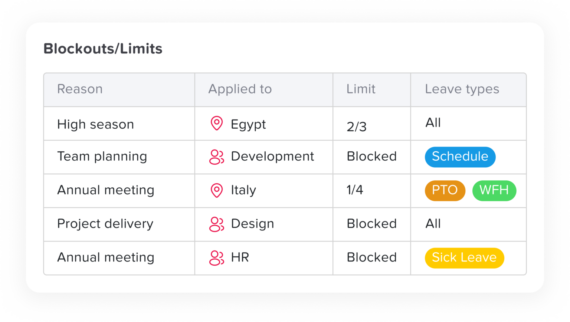
Leave management software allows managers and HR teams to review upcoming absences before busy periods begin. They can identify staffing gaps, limit conflicts, and make sure enough people are available when the business needs them most.
Some companies may also use blockout periods or special approval rules during critical times. This does not mean employees cannot take leave, but it helps the company manage requests more carefully when coverage is essential.
With better visibility, companies can prepare instead of reacting at the last minute.
It Improves Communication Between HR, Managers, and Employees
Team planning often fails when communication is unclear. Employees may not know the correct process for requesting leave. Managers may not know which requests are waiting for approval. HR may not know whether a manager has approved a request.
Leave management software improves communication by creating a clear workflow. Employees submit requests through the system. Managers receive notifications and take action. HR can access records without chasing updates.
This reduces confusion and makes the process more transparent. Everyone understands where the request stands and what needs to happen next.
Better communication also builds trust. Employees feel more confident when they can see their request status and leave balance. Managers feel more in control because they have the information they need. HR teams save time because they no longer need to follow up manually.
It Helps Remote and Hybrid Teams Stay Organized
Remote and hybrid teams often work across different locations, schedules, and time zones. This can make leave planning more difficult, especially when employees are not physically present in the same office.
A leave management system gives distributed teams one shared place to manage time off. Whether employees work from home, the office, or different countries, they can request leave and view relevant information from anywhere.
This is especially useful for companies with multiple teams, locations, or departments. Managers can check availability without needing to contact each employee individually. HR can maintain consistent records across the organization.
For remote and hybrid teams, this level of visibility is essential for keeping work organized.
It Reduces Last Minute Planning Problems
Last minute absence issues can disrupt the entire team. Sometimes an employee forgets to submit a request early. Sometimes a manager approves leave without checking team coverage. Sometimes HR discovers an overlap only after schedules have already been planned.
Leave management software helps reduce these problems by making leave requests easier to submit, review, and track. Managers can receive notifications when requests are pending, and employees can be encouraged to request time off in advance.
When leave information is organized, teams can plan earlier. This leads to fewer surprises and better preparation.
It Gives HR Useful Reports and Insights
Leave management software does more than manage individual requests. It also gives HR teams useful data that can improve workforce planning.
Reports can show patterns such as:
- How much leave employees are using
- Which departments have the highest absence rates
- When employees are most likely to request vacation
- Which leave types are used most often
- Whether employees are using enough time off
- Remaining balances across the company
These insights help HR and leadership make better decisions. For example, if many employees are not using their vacation days, HR may need to encourage better work life balance. If one department has frequent absences, managers may need to review workload, staffing, or employee well being.
Good planning depends on good data, and leave management software makes that data easier to access.
It Helps Companies Apply Leave Policies Consistently
Inconsistent leave approvals can create frustration. If one employee is allowed to take time off during a busy period while another is denied for similar reasons, the process may feel unfair.
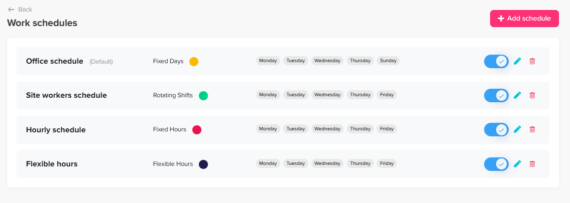
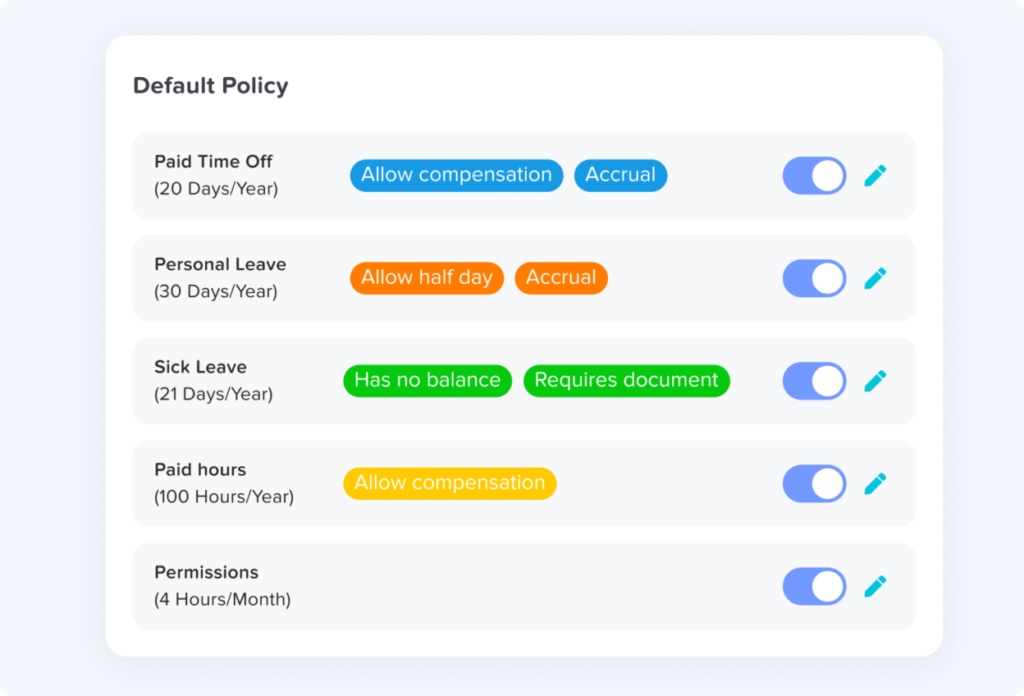
Leave management software helps companies apply policies more consistently. HR teams can set clear rules for different leave types, employee groups, locations, or departments. Managers can review requests based on the same information and follow the same process.
This supports fairer planning because decisions are not based on memory, guesswork, or personal preference. Instead, they are guided by company policy and real time team availability.
It Saves Time for Managers and HR Teams
Manual leave tracking takes time. HR teams may spend hours updating spreadsheets, answering balance questions, searching emails, reminding managers to approve requests, and preparing reports manually.
Managers also lose time when they need to check availability across different tools before approving leave or planning work.
Leave management software reduces this workload by automating many of these tasks. Requests, approvals, balances, calendars, and reports are managed from one place. This allows HR and managers to spend less time on administration and more time on strategic planning.
For growing companies, this time savings becomes even more valuable.
It Creates a Better Employee Experience
Team planning is not only about business efficiency. It also affects employee experience. When leave management is confusing, employees may feel frustrated, ignored, or unsure about their available time off.
A clear leave management system makes the process easier for employees. They can request leave in a few steps, see their balance, track approval status, and understand when their time off is confirmed.
This transparency encourages employees to plan their vacations earlier and communicate their availability more clearly. As a result, managers have more time to organize coverage and avoid last minute disruption.
A smoother leave process benefits everyone.
It Helps Build a More Reliable Planning Culture
When a company relies on manual leave tracking, planning often becomes reactive. Teams deal with problems after they happen. Managers find out about absences too late. HR fixes errors after employees notice them.
Leave management software helps create a more proactive planning culture. Employees submit requests properly. Managers review availability before approving. HR has accurate records. Teams can see upcoming absences and prepare accordingly.
Over time, this creates better habits across the organization. Time off becomes part of team planning instead of an unexpected interruption.
How Day Off Helps Teams Plan Better
Day Off is a leave management and PTO tracking solution designed to make employee time off easier to manage. It helps companies move away from spreadsheets, emails, and manual tracking by giving HR teams, managers, and employees a simple way to manage leave requests and availability.
With Day Off, teams can:
- Submit and approve leave requests easily
- Track PTO, vacation days, sick leave, and other leave types
- View employee availability through a shared calendar
- Manage leave balances accurately
- Set custom leave policies
- Support different teams and locations
- Generate reports for better planning
- Access the system through web, iOS, and Android
By keeping leave information clear and centralized, Day Off helps companies improve team planning, reduce scheduling conflicts, and create a smoother time off process for everyone.
Final Thoughts
Leave management software plays an important role in team planning. It gives managers better visibility, helps prevent overlapping requests, keeps balances accurate, improves communication, and allows HR teams to make decisions based on reliable data.
As companies grow, manual leave tracking becomes harder to manage. Spreadsheets, emails, and chat messages may work for a small team, but they can quickly create confusion when more employees, policies, departments, and locations are involved.
A good leave management system helps companies plan ahead instead of reacting to problems. It makes employee availability clear, supports fair decision making, and gives teams the structure they need to stay productive even when employees are away.
For businesses that want to improve workforce planning and simplify PTO management, using leave management software like Day Off is a smart step toward a more organized and efficient workplace.