







Managing employee time is no longer only about approving vacation requests or recording when someone starts work. Modern businesses need a complete view of employee availability, working hours, absences, schedules, overtime, and time off. When PTO tracking and time attendance are managed separately, HR teams and managers often deal with disconnected data, manual updates, inaccurate reports, and unnecessary confusion.
That is why PTO tracking and time attendance should work together.
A company may know that an employee did not clock in today, but without a connected leave management system, HR may not know whether that employee is on approved vacation, sick leave, unpaid leave, or simply absent without notice. On the other hand, a company may approve PTO requests, but if those records are not connected to attendance tracking, managers may still need to manually compare leave calendars, timesheets, schedules, and payroll reports.

Day Off, known as a simple and powerful PTO tracking and leave management solution, now also includes time attendance features. This means companies can manage leave requests, PTO balances, approvals, work schedules, punch in and punch out records, late time, overtime, attendance reports, and absence tracking from one centralized platform.
In this article, we will explain why PTO tracking and time attendance should work together, what problems happen when they are separated, and how businesses can benefit from using a connected system like Day Off.
What Is PTO Tracking?
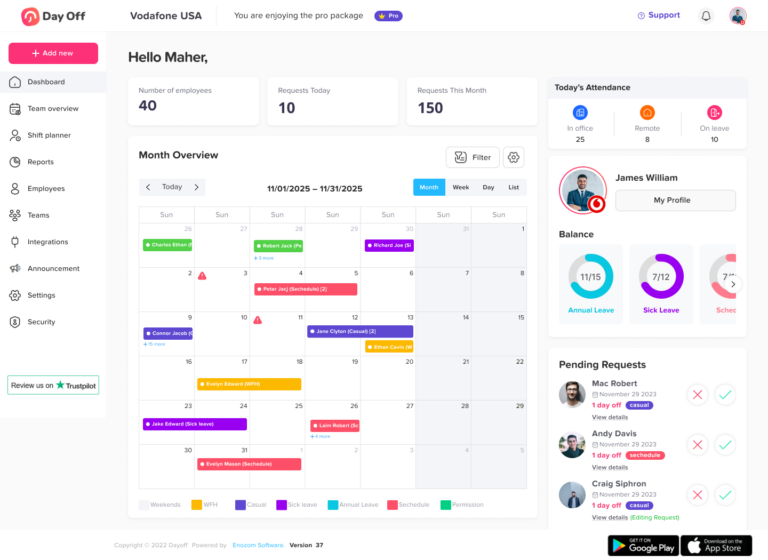
PTO tracking is the process of managing and recording employee paid time off. It helps businesses track how many days employees are entitled to, how many days they have used, how many days remain, and when employees are scheduled to be away from work.
PTO can include different types of leave, such as:
- Vacation leave
- Sick leave
- Personal leave
- Maternity leave
- Paternity leave
- Unpaid leave
- Public holidays
- Emergency leave
- Half-day leave
- Compensatory time off
A good PTO tracking system allows employees to request time off, managers to approve or reject requests, and HR teams to maintain accurate leave balances. It also gives everyone better visibility into who is away and when.
Without proper PTO tracking, companies often rely on spreadsheets, emails, chat messages, or paper forms. These manual methods may work for very small teams, but they become difficult to manage as the company grows.
What Is Time Attendance?
Time attendance is the process of tracking when employees start work, finish work, take breaks, arrive late, leave early, or work overtime. It helps businesses understand actual working hours and employee availability.
A time attendance system usually includes:
- Punch in and punch out tracking
- Clock in and clock out records
- Daily attendance logs
- Late arrival tracking
- Early departure tracking
- Overtime calculation
- Work schedule tracking
- Attendance reports
- Payroll-ready attendance sheets
Time attendance is especially important for businesses with hourly employees, shift-based teams, remote workers, hybrid employees, flexible schedules, or multiple locations. It gives managers and HR teams a clear view of employee work hours and attendance patterns.
Why PTO Tracking and Time Attendance Are Closely Connected
PTO tracking and time attendance may seem like two separate processes, but in reality, they are deeply connected.
PTO tracking shows when employees are approved to be away from work. Time attendance shows when employees actually worked. Together, they help businesses understand the full picture of employee availability.
For example, if an employee does not punch in on Monday, the attendance system may show them as absent. But if the PTO system shows that the employee has an approved vacation request for that day, then the absence is not a problem. It is planned and approved.
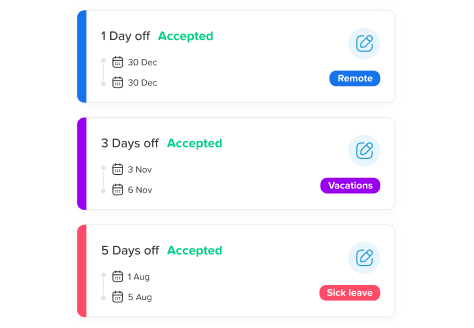
If the two systems are not connected, HR may need to manually check both systems to understand what happened. This creates extra work and increases the risk of mistakes.
When PTO tracking and time attendance work together, the company can answer important questions more easily:
- Is the employee absent or on approved leave?
- Did the employee forget to clock in?
- Was the employee late, or did they have a flexible schedule?
- Should this day be counted as PTO, unpaid leave, or unplanned absence?
- Did the employee work overtime before or after taking time off?
- Are attendance records ready for payroll?
- Is the team properly staffed this week?
This connection makes employee time management more accurate, organized, and transparent.
The Problem with Managing PTO and Attendance Separately
Many companies use one tool for PTO tracking and another tool for time attendance. Others use spreadsheets for leave, a time clock for attendance, emails for approvals, and manual reports for payroll. This creates disconnected information.
When PTO and attendance are managed separately, HR teams may spend too much time comparing records from different places. Managers may not have a clear view of employee availability. Employees may get confused about their leave balances, schedules, or attendance records.
Here are the most common problems businesses face when PTO tracking and time attendance are not connected.
Confusion Between Absence and Approved Leave
One of the biggest issues is confusion between absence and approved leave.
If an employee does not clock in, the attendance system may mark them as absent. But that absence may actually be an approved vacation day or sick leave. Without a connected PTO tracker, HR must manually check whether the employee had approved time off.
This creates unnecessary work and can lead to incorrect attendance records.
For example, an employee may have requested and received approval for two vacation days. But if the attendance system is not connected to the PTO system, those days may appear as missing attendance records. HR then needs to manually correct the data.
When PTO and attendance work together, approved leave can be clearly reflected in employee availability and attendance records.
More Manual Work for HR Teams
HR teams already manage many responsibilities, including employee records, policies, leave requests, payroll support, onboarding, compliance, and employee engagement. When PTO and attendance are separate, HR must spend extra time checking and updating different systems.
They may need to:
- Compare timesheets with leave calendars
- Check whether absences were approved
- Update PTO balances manually
- Correct attendance records
- Answer employee questions
- Prepare reports from multiple systems
- Send reminders to managers
- Fix payroll-related mistakes
This manual work takes time away from more strategic HR activities. A connected system reduces repetitive tasks and helps HR teams work more efficiently.
Inaccurate Payroll Data
Payroll accuracy depends on reliable employee time data. If attendance records and leave records are not connected, payroll teams may receive incomplete or incorrect information.
This can create several problems:
- Employees may be paid incorrectly
- Overtime may be calculated inaccurately
- Approved leave may be treated as unpaid absence
- Unplanned absences may be missed
- Payroll reports may require manual correction
- HR may need to spend extra time reviewing records
Payroll mistakes can affect employee trust and create frustration. Employees expect their working hours, overtime, and time off to be handled accurately. Connecting PTO tracking with time attendance helps reduce payroll errors and makes payroll preparation smoother.
Poor Workforce Planning
Managers need to know who is available before assigning tasks, approving leave, scheduling shifts, or planning project deadlines. If PTO and attendance information are stored separately, managers may not have a complete view of employee availability.
A manager may check the attendance system and see who worked yesterday, but they may not know who is scheduled to be on vacation next week. Another manager may check the leave calendar but still not know who is regularly late, working overtime, or missing scheduled hours.
When PTO tracking and time attendance work together, managers get a better understanding of team availability. They can plan work more effectively, avoid coverage gaps, and reduce scheduling conflicts.
Higher Risk of Data Errors
Every time HR or managers manually transfer data between systems, there is a risk of error. A PTO request may be approved but not added to the attendance record. An absence may be marked incorrectly. A spreadsheet may not be updated. A manager may forget to notify HR.
These small errors can create bigger problems over time.
For example, inaccurate PTO balances can lead employees to take more leave than they have available. Incorrect attendance records can affect payroll. Missing approvals can create confusion between employees and managers.
A connected system reduces the need for manual data entry and helps keep records more accurate.
Poor Employee Experience
Employees want a simple and transparent process. They want to know how much PTO they have, how to request time off, whether their request was approved, and how their attendance is recorded.
When PTO and attendance are managed separately, employees may need to use different tools or ask HR for updates. This can create frustration and delays.
A better employee experience includes:
- Easy PTO requests
- Clear leave balances
- Simple punch in and punch out
- Transparent attendance records
- Faster approvals
- Fewer payroll mistakes
- Less confusion about absences
When employees have confidence in the system, they are less likely to feel frustrated or uncertain about their time records.
Benefits of Connecting PTO Tracking and Time Attendance
Bringing PTO tracking and time attendance together gives businesses a stronger way to manage employee time. It creates one clear source of truth for employee availability, working hours, leave, absences, and reports.
Here are the main benefits.
A Complete View of Employee Availability
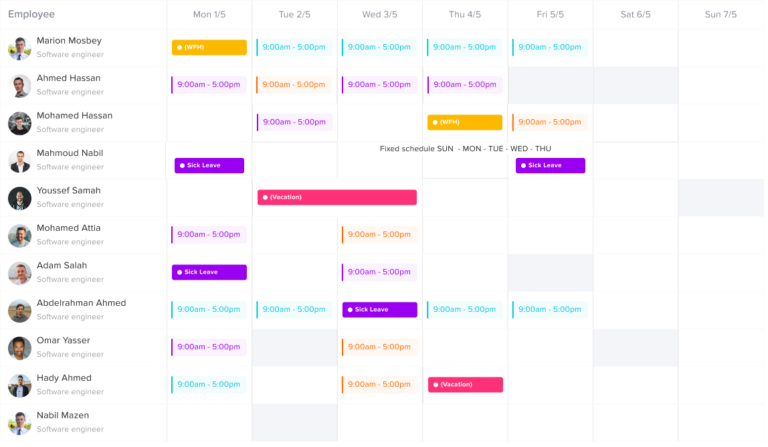
Employee availability is not only about whether someone clocked in. It also includes whether they are on vacation, sick leave, unpaid leave, public holiday, remote work, or scheduled time off.
A connected PTO and attendance system helps managers and HR teams see the full picture.
Instead of checking multiple systems, they can understand:
- Who is working today
- Who is on approved leave
- Who is absent
- Who arrived late
- Who worked overtime
- Who has upcoming PTO
- Who is available for coverage
This makes daily operations easier to manage.
Better Attendance Accuracy
When PTO records and attendance records are connected, companies can reduce confusion and improve accuracy. Approved leave can be clearly separated from unplanned absences. Late arrivals can be calculated based on work schedules. Overtime can be recorded more accurately.
This helps businesses avoid incorrect attendance labels and reduces the need for manual corrections.
Easier Payroll Preparation
Payroll teams need reliable data. A connected system makes it easier to prepare payroll because attendance records, leave requests, overtime, and absences are all easier to review.
This helps businesses prepare more accurate payroll reports and reduce time spent checking different systems.
For companies that need attendance sheets for payroll, this connection is especially valuable. HR teams can export attendance data with more confidence because they can see how work hours and time off relate to each other.
Reduced HR Administrative Work
A connected system reduces the amount of manual work HR teams need to do. Instead of updating spreadsheets, checking email approvals, comparing attendance records, and correcting leave balances, HR can manage everything from one platform.
This saves time and helps HR teams focus on higher-value work.
Better Planning for Managers
Managers can make better decisions when they have access to accurate availability data. They can see who is working, who is away, and who may need coverage.
This helps with:
- Task planning
- Shift planning
- Project scheduling
- Team coverage
- Deadline management
- Holiday planning
- Workload distribution
Better planning reduces stress for managers and helps teams stay productive.
More Transparency for Employees
Employees benefit when PTO tracking and attendance are connected. They can see their leave balances, request time off, track attendance, and understand their records more clearly.
Transparency helps reduce misunderstandings and builds trust between employees, managers, and HR teams.
Stronger Support for Remote and Hybrid Teams
Remote and hybrid teams need clear systems because employees may work from different locations, time zones, or schedules. Without a connected system, it can be difficult to know whether an employee is working, on leave, unavailable, or absent.
A connected PTO and attendance system helps remote and hybrid teams stay organized. Employees can request time off and record attendance digitally, while managers can view availability without constantly asking for updates.
Better Support for Different Work Schedules
Modern companies often use different types of work schedules. Some employees work fixed hours, while others follow flexible hours or rotating shifts.
When PTO tracking and time attendance work together, companies can manage these schedules more accurately. Attendance can be calculated based on the correct schedule, and leave can be recorded according to the employee’s assigned policy.
This is especially useful for companies with:
- Fixed work schedules
- Flexible working hours
- Rotating shifts
- Hourly employees
- Remote employees
- Project-based teams
- Multiple locations
- Different leave policies
Why Day Off Brings PTO Tracking and Time Attendance Together
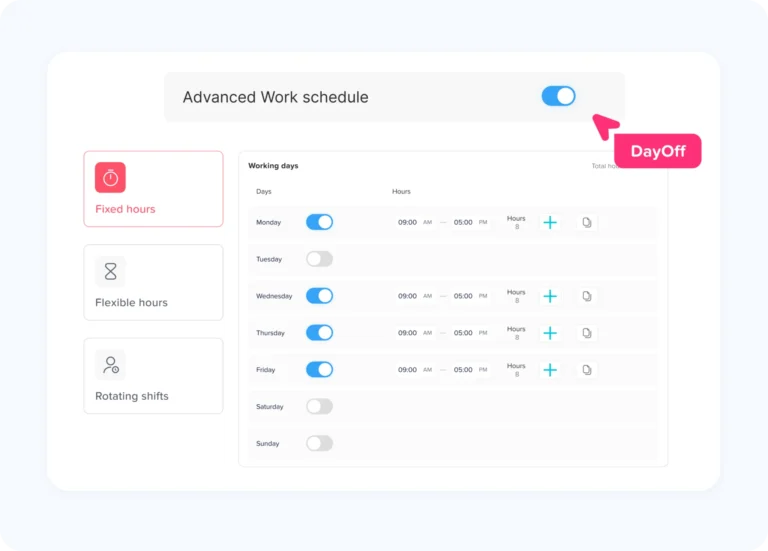
Day Off has always focused on helping businesses manage employee time off more easily. It allows companies to handle leave requests, PTO balances, approvals, shared calendars, reports, and absence tracking in one platform.
Now, Day Off also includes time attendance features, helping companies manage employee working hours and attendance records alongside their leave management process.
This makes Day Off a practical solution for businesses that want to stop using disconnected systems for PTO and attendance.
With Day Off, companies can manage:
- Leave requests
- PTO balances
- Approval workflows
- Shared leave calendars
- Absence tracking
- Work schedules
- Employee punch in and punch out
- Late time
- Overtime
- Attendance records
- Attendance reports
- Payroll-ready
- Attendance sheets
By combining these features, Day Off gives HR teams and managers a clearer way to understand employee availability.
How Day Off Helps HR Teams
HR teams often feel the impact of disconnected PTO and attendance systems the most. They are responsible for maintaining accurate records, answering employee questions, supporting payroll, and making sure leave policies are followed.
Day Off helps HR teams by centralizing employee time data.
Instead of managing PTO in one spreadsheet, attendance in another tool, and payroll reports manually, HR teams can use Day Off to keep everything more organized.
Day Off helps HR teams:
- Reduce manual updates
- Track leave requests more easily
- Monitor attendance records
- Calculate late time and overtime
- Manage different work schedules
- Export attendance sheets for payroll
- Keep PTO balances accurate
- Improve visibility into absences
- Reduce repetitive employee questions
This creates a smoother HR process and helps teams work more efficiently.
How Day Off Helps Managers
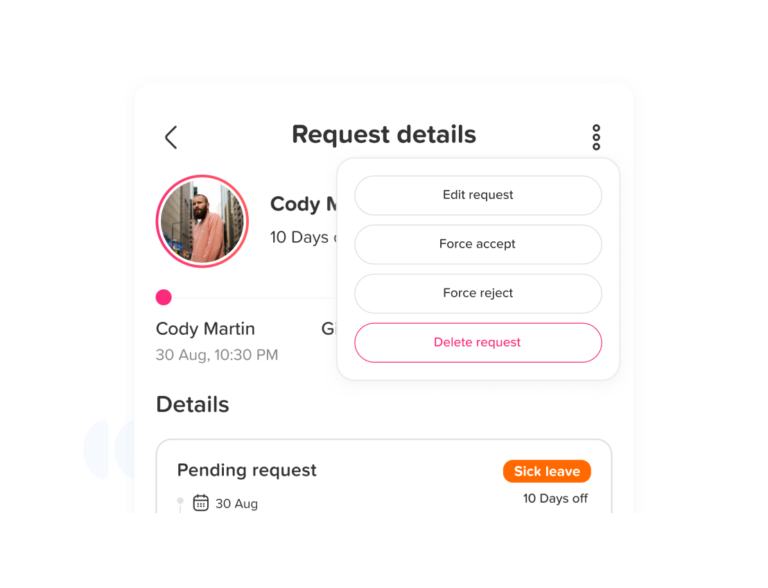
Managers need accurate information to make daily decisions. If they do not know who is available, who is away, or who is late, it becomes harder to plan work.
Day Off helps managers by giving them a clearer view of employee time and availability.
Managers can review leave requests, check team availability, understand who is scheduled to be away, and track attendance records. This makes it easier to approve time off, plan team coverage, and avoid scheduling conflicts.
For managers, the benefit is simple: fewer surprises and better planning.
How Day Off Helps Employees
A connected system also improves the employee experience. Employees do not want to chase HR for leave balances or wonder whether their attendance was recorded correctly.
With Day Off, employees can follow a clearer process for both time off and attendance.
They can request leave, view PTO balances, check approvals, and record attendance in a more organized way. This improves transparency and reduces confusion.
When employees understand their time records, they feel more confident in the system.
PTO Tracking and Time Attendance for Small Businesses
Small businesses often start with simple methods such as spreadsheets, paper records, or informal messages. While this may work at the beginning, it becomes harder as the team grows.
A small business may begin with only a few employees, but over time it may need to manage different work schedules, part-time employees, overtime, sick leave, vacation requests, and payroll reports.
Using one system for PTO tracking and time attendance helps small businesses stay organized without adding unnecessary complexity.
Day Off is useful for small businesses because it provides a simple way to manage leave and attendance together. This helps business owners and managers save time, reduce mistakes, and create a more professional employee experience.
PTO Tracking and Time Attendance for Growing Companies
Growing companies need scalable systems. As more employees join the team, manual processes become harder to manage. More people means more leave requests, more attendance records, more payroll data, and more scheduling challenges.
A growing company needs a system that can handle complexity without creating more administrative work.
Connecting PTO tracking and time attendance helps growing companies maintain control and visibility. It allows HR teams and managers to manage employee time more consistently as the organization expands.
Day Off supports growing teams by helping them manage leave policies, approvals, teams, locations, work schedules, attendance records, and reports from one platform.
PTO Tracking and Time Attendance for Remote and Hybrid Teams
Remote and hybrid teams need strong visibility because employees are not always working from the same location. Some may work from home, some from the office, and others from different cities or countries.
This can create challenges for attendance tracking and leave planning.
A connected system helps remote and hybrid teams by making employee availability easier to understand. Employees can request time off and track attendance digitally, while managers can see who is working and who is away.
This reduces the need for constant check-ins and manual updates.
PTO Tracking and Time Attendance for Shift-Based Teams
Shift-based teams often face complex scheduling and attendance challenges. Employees may work different shifts, rotate schedules, or cover for others during busy periods.
For these teams, PTO and attendance must work together. If an employee takes leave during a scheduled shift, managers need to know early so they can arrange coverage. If attendance data is separate from leave data, scheduling gaps may happen.
A connected system helps shift-based teams avoid confusion and maintain better coverage.
PTO Tracking and Time Attendance for Project-Based Companies
Project-based companies need to understand how employee time is used across projects, tasks, and clients. They also need to know when employees are unavailable because of PTO or absence.
When PTO tracking and time attendance work together, project managers can plan resources more accurately. They can avoid assigning tasks to employees who are on leave and better understand work capacity.
This helps improve project planning and reduces delays caused by unexpected absences.
How Connected PTO and Attendance Improve Company Productivity
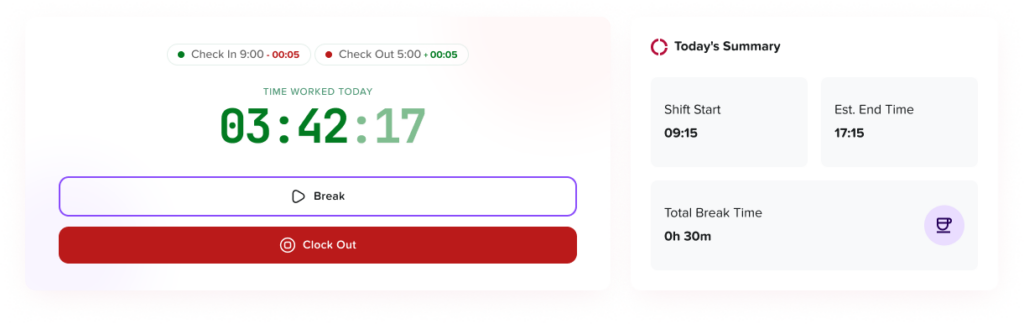
Productivity depends on planning, availability, and clear communication. When managers do not know who is available, work can be delayed. When HR teams spend too much time correcting records, efficiency drops. When employees are confused about PTO or attendance, frustration increases.
A connected PTO and attendance system supports productivity by making information easier to access and trust.
It helps companies:
- Plan team coverage
- Reduce scheduling conflicts
- Avoid payroll delays
- Improve attendance accuracy
- Support employee well-being
- Reduce manual administration
- Keep work moving during busy periods
When employee time is managed properly, the whole company works more smoothly.
How Connected PTO and Attendance Support Employee Well-Being
PTO tracking is not only an administrative task. It also supports employee well-being. Employees need time off to rest, recharge, and manage personal responsibilities.
When PTO tracking is connected with attendance, companies can better understand workload patterns. For example, if employees are frequently working overtime and rarely taking PTO, managers may need to review workload balance.
A connected system can help businesses encourage healthier work habits by making time off and attendance more visible.
This supports a healthier workplace culture and helps reduce burnout.
What to Look for in a PTO and Time Attendance System
When choosing a system that combines PTO tracking and time attendance, businesses should look for features that support both HR operations and employee experience.
Important features include:
- Easy leave requests
- Automated PTO balance tracking
- Approval workflows
- Shared leave calendar
- Punch in and punch out
- Work schedule management
- Late time calculation
- Overtime tracking
- Attendance reports
- Payroll-ready exports
- Support for remote and hybrid teams
- Support for fixed, flexible, and rotating schedules
- Employee self-service access
- Manager visibility
- Simple reporting
- Scalability
The best system should reduce manual work, improve accuracy, and make employee time easier to manage.
Why One Platform Is Better Than Multiple Separate Tools
Using separate tools may seem flexible, but it often creates more work. One tool may track attendance, another may manage leave, another may handle payroll, and another may store reports. This means HR teams need to move data between systems and check everything manually.
One connected platform reduces this complexity.
With one platform, businesses can keep employee time data organized and easier to manage. Managers get better visibility. HR teams save time. Employees have a simpler experience.
Day Off helps businesses move toward this connected approach by combining PTO tracking, leave management, and time attendance features in one place.
Frequently Asked Questions
What is the difference between PTO tracking and time attendance?
PTO tracking manages employee time off, including vacation days, sick leave, leave balances, approvals, and absences. Time attendance tracks when employees work, including clock in, clock out, late arrivals, overtime, and total working hours.
Why should PTO tracking and time attendance work together?
They should work together because leave and attendance are connected. If an employee does not clock in, the company needs to know whether they are absent, late, or on approved leave. A connected system gives HR and managers a clearer view of employee availability.
Can connected PTO and attendance tracking improve payroll accuracy?
Yes. When leave records and attendance records are connected, payroll teams can better understand working hours, approved leave, overtime, and absences. This reduces manual corrections and helps improve payroll accuracy.
How does Day Off combine PTO tracking and time attendance?
Day Off helps businesses manage leave requests, PTO balances, approvals, absence tracking, work schedules, punch-in and punch-out, late time, overtime, attendance records, and reports from one platform.
Is Day Off suitable for remote and hybrid teams?
Yes. Day Off is suitable for remote and hybrid teams because employees can manage leave and attendance digitally, while managers and HR teams can view employee availability in one centralized system.
Can Day Off help reduce HR workload?
Yes. Day Off reduces HR workload by centralizing PTO tracking and attendance data, eliminating manual updates, improving reporting, and simplifying employee time records.
Does Day Off support different work schedules?
Yes. Day Off supports different work schedule needs, including fixed hours, flexible hours, and rotating shifts, helping businesses manage attendance more accurately.
Why is using one platform better than separate PTO and attendance tools?
Using one platform reduces disconnected data, manual updates, reporting errors, and confusion. It gives HR teams, managers, and employees one clear place to manage leave, attendance, and availability.
Final Thoughts
PTO tracking and time attendance should work together because employee time is connected. A company cannot fully understand availability by only tracking attendance, and it cannot fully manage workforce planning by only tracking PTO.
Businesses need both.
When PTO tracking and time attendance are connected, companies get a clearer view of employee availability, better attendance accuracy, easier payroll preparation, stronger workforce planning, and a smoother employee experience.
Day Off now helps businesses manage both PTO tracking and time attendance in one centralized platform. With leave requests, PTO balances, approval workflows, shared calendars, work schedules, punch in and punch out, late time, overtime, reports, and payroll-ready attendance sheets, Day Off gives HR teams and managers the tools they need to manage employee time more efficiently.
For companies that want to reduce manual work, avoid disconnected systems, and improve visibility into employee availability, combining PTO tracking and time attendance is no longer optional. It is the smarter way to manage modern teams.