







A comparison of sabbatical vs. PTO becomes important when an employee needs more than an ordinary vacation. Paid time off may cover a few days or weeks, but it is not always designed to support a three-month break for study, travel, caregiving, personal development, or recovery from prolonged workplace stress.
A sabbatical is usually a separate long-term leave benefit offered after an employee completes a defined period of service. It may be fully paid, partially paid, or unpaid. PTO, by comparison, is normally an annual balance that employees use for shorter vacations, personal needs, and sometimes illness.
The two benefits can work together, but they should not be treated as interchangeable.

A company may allow an employee to use accrued PTO at the beginning of a sabbatical, for example, and then continue the remaining absence under a separate unpaid sabbatical policy. Another employer may provide six weeks of paid sabbatical leave without requiring the employee to use any vacation balance.
Federal law does not generally require private employers to provide paid vacation, general PTO, or sabbatical leave. These benefits are usually established through the employer’s written policy, an employment agreement, or a collective bargaining agreement. However, the reason for an extended absence may also trigger separate rights under laws such as the Family and Medical Leave Act or the Americans with Disabilities Act. plains the difference between sabbaticals and PTO, when each benefit is appropriate, how employers can structure a sabbatical policy, and what happens to pay, benefits, accruals, job protection, and unused leave during a long-term absence.
What Is PTO?
Paid time off is an employer-provided benefit that allows employees to take approved time away from work while continuing to receive pay.
Depending on the organization, PTO may cover:
- Vacation
- Personal days
- Short-term illness
- Medical appointments
- Family responsibilities
- Rest and recovery
- Other approved absences
Some employers combine vacation, sick leave, and personal time into one PTO bank. Others maintain separate balances for each purpose.
PTO is normally provided as an annual allowance or earned gradually through accruals. For example, an employee may receive 15 days at the start of the year or accrue five hours during every biweekly pay period.
In March 2025, 80% of private-industry workers in the United States had access to paid vacation. Among private-industry workers receiving vacation benefits, 31% received between 10 and 14 days after one year of service. These figures show that paid vacation is common, but annual balances are usually designed for ordinary time off rather than several months away from work. Sabbatical?
A sabbatical is an extended, formally approved period away from an employee’s regular job.
Unlike ordinary PTO, which employees may use several times throughout the year, a sabbatical is generally taken as one continuous period after the employee meets specific eligibility conditions.
Employees may take a sabbatical for purposes such as:
- Academic study
- Professional research
- Training or certification
- Personal development
- Travel
- Volunteering
- Writing or creative work
- Family responsibilities
- Rest and renewal
- Another purpose permitted by the employer
A sabbatical may last several weeks, several months, or, in unusual cases, a year. The employer’s written policy determines the available duration.
The term sabbatical is not one universal legal classification. In most private workplaces, it is a benefit created by company policy rather than a statutory leave entitlement. The policy must therefore explain whether the absence is paid, whether the employee’s position is held, how benefits are handled, and what the employee must do before returning.
Quick Answer: What Is the Difference Between a Sabbatical and PTO?
PTO is an annual paid-leave balance typically used for vacations and shorter absences. A sabbatical is a separate extended-leave program normally available only after an employee completes a defined period of service.
PTO is usually:
- Paid
- Earned or granted annually
- Used in days or hours
- Available for regular personal needs
- Requested through the ordinary approval process
A sabbatical is usually:
- Longer than a standard vacation
- Offered after several years of service
- Used as one continuous absence
- Paid, partially paid, or unpaid
- Approved through a more detailed application process
- Supported by a coverage and return-to-work plan
Sabbatical vs. PTO: Key Differences
| Policy Area | PTO | Sabbatical |
|---|---|---|
| Main purpose | Vacations, personal needs, illness, and short absences | Extended break for development, travel, study, service, or renewal |
| Typical duration | Hours, days, or a few weeks | Several weeks or months |
| Eligibility | Often begins at hire or after a short waiting period | Usually requires several years of service |
| Pay | Normally fully paid | May be fully paid, partially paid, or unpaid |
| Frequency | May be used throughout the year | Usually available only once during a defined service cycle |
| Balance | Accrued or front-loaded | Fixed period approved under a separate program |
| Approval | Manager or standard approval workflow | Senior approval, HR review, and workforce planning |
| Request notice | Days or weeks | Often several months |
| Employee purpose | May not require a detailed explanation | May require a proposal or general purpose |
| Coverage plan | Helpful for longer vacations | Usually essential |
| PTO balance | Request reduces the available balance | May or may not require PTO usage |
| Benefits | Normally continue during paid PTO | Continuation depends on the policy, plan documents, and applicable law |
| Job protection | Based on policy and applicable law | Must be defined; a sabbatical alone does not automatically create statutory protection |
| Return process | Employee returns after ordinary leave | May require a formal reintegration or handover process |
Why PTO May Not Be Enough for Long-Term Leave
PTO can support ordinary vacations, but asking employees to save enough annual PTO for a long-term break may be unrealistic.
Suppose an employee receives 15 PTO days per year. A 12-week absence for an employee working five days per week would require approximately 60 working days.
Even if unused PTO carries over, the employee might need several years to save enough time. During that period, the employee may avoid taking ordinary vacations or using leave for personal needs.
This creates several problems.
The employee may stop taking regular time off
An employee saving every PTO day for a future extended absence may work for long periods without meaningful breaks.
The employee may have no leave for emergencies
Using the entire balance for a long-term break can leave no paid time available for illness, appointments, caregiving, or unexpected events later in the year.
Carryover or accrual caps may prevent saving enough leave
The employer may limit how much PTO moves into the next year or stop accrual after an employee reaches a maximum balance.
The operational impact is different
A two-week vacation and a three-month sabbatical require different levels of coverage planning. Treating both as ordinary PTO may leave managers without enough time to redistribute work, arrange temporary support, or prepare clients.
A separate sabbatical policy allows the employer to address long-term leave directly instead of forcing the ordinary PTO policy to handle a situation it was not designed for.
When PTO Is the Better Benefit
PTO is usually the more appropriate option when the employee needs a short or moderate absence.
Examples include:
- A one-week vacation
- A two-week family trip
- Several personal days
- Recovery from a short illness
- Medical appointments
- A temporary family responsibility
- An occasional mental health day
- A brief period between major projects
PTO may also be preferable when the employee does not meet the service requirement for a sabbatical or when the company cannot support a prolonged absence.
PTO is easier to administer
The employee already has a balance, the request follows an existing workflow, and payroll knows how to process the absence.
PTO creates less operational disruption
A short absence can often be covered through ordinary workload planning without temporarily redesigning the employee’s role.
PTO is flexible
Employees can divide their balance across multiple needs rather than using the benefit in one continuous period.
PTO is normally fully paid
Although PTO policies vary, approved PTO usually provides the employee’s regular pay for the covered absence.
When a Sabbatical Is the Better Benefit
A sabbatical may be more appropriate when the employee needs a continuous period that is substantially longer than an ordinary vacation.
Examples include:
- Completing a degree or professional program
- Conducting research
- Participating in an extended volunteer project
- Writing a book
- Taking an extended trip
- Spending time with family abroad
- Pursuing a structured development goal
- Recovering energy after a long period in a demanding role
- Completing a personal project that cannot fit into annual vacation
A sabbatical can also be used as a tenure-based benefit. Instead of increasing annual PTO indefinitely, an employer may provide a longer break after five, seven, or ten years of service.
A sabbatical creates a defined long-term process
The policy can require early notice, a formal application, a coverage plan, executive approval, and a return date.
It protects the employee’s ordinary PTO balance
The employee may be able to retain some vacation time for regular rest, illness, and personal needs.
It supports workforce planning
Managers know that a sabbatical is different from a normal vacation and can prepare accordingly.
It can recognize long service
Eligibility based on tenure can reward employees who have made a sustained contribution to the company.

Is Sabbatical Leave Paid?
A sabbatical can be fully paid, partially paid, or unpaid.
The employer should choose one structure and describe it clearly before employees apply.
Fully paid sabbatical
The employee receives normal base pay during the approved absence.
For example: Employees completing seven years of continuous service may receive four weeks of fully paid sabbatical leave.
A fully paid program is the most valuable to employees, but it also creates the greatest direct payroll cost.
The employer may limit this cost through:
- Shorter sabbatical periods
- Longer service requirements
- A maximum salary amount
- Eligibility restrictions
- A limited application window
- A minimum return-to-work commitment where lawful
Partially paid sabbatical
The employee receives a percentage of regular pay.
For example: An approved eight-week sabbatical will be paid at 50% of the employee’s normal base salary.
Another approach is to divide the period:
- Four weeks fully paid
- Four weeks unpaid
A partially paid program can give employees meaningful support while controlling the employer’s cost.
Unpaid sabbatical
The employee receives no regular wages during the absence but remains employed under the conditions stated in the sabbatical agreement.
The policy must explain:
- Whether health coverage continues
- Who pays employee benefit contributions
- Whether PTO continues accruing
- Whether bonuses are affected
- Whether service credit continues
- What position the employee returns to
- What happens if the employee does not return
An unpaid sabbatical is different from an ordinary resignation because the employment relationship is intended to continue.
Does a Sabbatical Provide Job Protection?
An employer-sponsored sabbatical does not automatically create the same legal protections as FMLA leave.
The sabbatical policy or individual agreement should explain whether the employee will return to:
- The same position
- A substantially similar position
- A position at the same grade or compensation level
- Any available suitable position
- No guaranteed position
A vague promise that the employee “may return” can create uncertainty for both parties.
Employers should also determine whether another law applies to the reason for the absence.
The FMLA provides eligible employees of covered employers with job-protected leave for qualifying family and medical reasons. It also requires continuation of group health benefits under the same conditions as if the employee had continued working and generally requires restoration to the same or a virtually identical position. sabbatical qualifies for FMLA, the employer should designate and track the FMLA period properly instead of relying only on the sabbatical label.
Sabbatical vs. FMLA Leave
A sabbatical and FMLA leave serve different purposes.
A sabbatical is an optional employer benefit. FMLA is a federal statutory entitlement for eligible employees of covered employers who need leave for qualifying family and medical reasons.
FMLA leave is generally unpaid, although an employee may elect or an employer may require available paid leave to run at the same time when the employee follows the normal paid-leave policy. An employee applies for a 16-week career sabbatical. During the planned period, the employee also needs six weeks away because of a qualifying serious health condition.
Depending on eligibility and the circumstances:
- Six weeks may qualify as FMLA leave.
- Those six weeks may run concurrently with paid PTO or a paid portion of the sabbatical.
- The remaining ten weeks may be governed only by the employer’s sabbatical policy.
The employer should not delay or avoid the FMLA process merely because the employee also qualifies for a sabbatical.
Sabbatical Leave and Disability Accommodations
An employee may request extended time off because of a disability or medical condition.
The employer should not automatically classify the request as a discretionary sabbatical and deny it solely because the employee does not meet the sabbatical service requirement.
The EEOC states that unpaid leave may be a reasonable accommodation under the Americans with Disabilities Act unless providing the leave would create an undue hardship. An employer does not necessarily have to provide more paid leave than it provides to other employees, but it may need to consider additional unpaid leave through the accommodation process. e employer should separate two questions:
- Does the employee qualify for the optional sabbatical benefit?
- Does the employee have a right to leave or another accommodation under applicable law?
A “no” to the first question does not automatically answer the second.
Can Employees Combine PTO and a Sabbatical?
Yes, if the employer’s policy permits it.
Combining PTO with a sabbatical can help employees maintain income during part of an otherwise unpaid absence.
PTO at the beginning
An employee may use two weeks of accrued PTO before beginning ten weeks of unpaid sabbatical leave.
This provides income during the first part of the absence.
PTO at the end
The employee may take an unpaid sabbatical first and use accrued PTO during the final weeks before returning.
PTO spread across the sabbatical
The employer may permit periodic PTO payments during the absence, although this can make payroll and benefits administration more complicated.
Mandatory PTO usage
An employer may require employees to use available PTO before moving to unpaid sabbatical status, subject to applicable law and the written policy.
No PTO usage
A company may treat the sabbatical as a separate benefit and allow employees to retain their full vacation balance.
The policy should explain whether PTO usage is:
- Required
- Optional
- Prohibited
- Limited to a certain number of days
Does PTO Continue Accruing During a Sabbatical?
There is no single answer. Accrual depends on the employer’s written policy, the employee’s location, and the type of sabbatical.
Possible approaches include:
Accrual continues throughout the sabbatical
This may be used for fully paid sabbaticals when the employer treats the employee as remaining in active paid status.
Accrual continues only during paid weeks
If the first four weeks are paid and the next eight weeks are unpaid, PTO may accrue during the paid portion only.
Accrual pauses for the entire sabbatical
The employer may pause vacation accrual during both paid and unpaid sabbatical leave.
Accrual depends on hours worked
If the PTO policy awards leave based on eligible hours worked, an employee may earn no new PTO during a sabbatical because no work hours are recorded.
The policy should state the rule directly. Employees should not discover after returning that several months of expected PTO were never added.
What Happens to Health Insurance During a Sabbatical?
Health insurance continuation during an employer-sponsored sabbatical usually depends on:
- The employer’s policy
- The insurance plan documents
- The length of the absence
- Whether the sabbatical is paid
- Whether another protected-leave law applies
- Whether the employee remains in an eligible employment classification
The policy should state:
- Whether coverage continues
- How long it continues
- Whether the employee must pay their normal contribution
- How contributions are collected during unpaid leave
- What happens if a payment is missed
- Whether continuation coverage may become available
If the absence qualifies for FMLA, the employer must generally maintain group health coverage under the same conditions as if the employee had continued working. uld coordinate the sabbatical policy with benefits administrators rather than promising coverage that conflicts with the actual plan.
How Does a Sabbatical Affect Other Employee Benefits?
The policy should address more than salary and health insurance.
Employees may need to know whether the sabbatical affects:
- Retirement contributions
- Employer retirement matching
- Life insurance
- Disability insurance
- Stock or equity vesting
- Bonuses
- Commission plans
- Profit sharing
- Seniority
- Service awards
- PTO accrual
- Holiday eligibility
- Promotion cycles
- Performance reviews
The employer should review the official plan documents for each benefit. A sabbatical policy cannot guarantee treatment that conflicts with an insurance, retirement, equity, or bonus plan.
Does Paid Sabbatical Leave Count Toward Overtime?
Under federal rules, payments for occasional periods when no work is performed, including vacation, holiday, sick leave, and other paid time off, may generally be excluded from the employee’s regular rate of pay. Paid leave hours also generally do not count as hours actually worked for determining federal overtime. a nonexempt employee who works 32 hours and receives 40 hours of paid sabbatical time during the same workweek has 72 paid hours but only 32 hours actually worked for the federal overtime calculation.
State law, a collective bargaining agreement, or a more generous employer policy may produce a different result.
Should Employees Work During a Sabbatical?
A true sabbatical should normally provide a meaningful break from regular duties.
The policy should state whether employees are expected to:
- Avoid all work
- Remain available only for a serious emergency
- Attend occasional mandatory meetings
- Complete a limited handover
- Avoid accessing company systems
- Avoid communicating with clients
- Return company equipment temporarily
Employers should be cautious about requiring work from employees on unpaid sabbatical leave.
Under the FLSA, nonexempt employees must generally be paid for compensable work that the employer requires, allows, or has reason to know is being performed. e answers messages, joins meetings, completes reports, or handles customer requests, the employer may need to record and pay for that time.
Even when the employee is exempt and remains salaried, requiring frequent work can undermine the purpose of the sabbatical and create confusion about whether the employee is actually on leave.
Who Should Be Eligible for a Sabbatical?
A sabbatical program should contain measurable eligibility rules.
Possible requirements include:
- Five, seven, or ten years of continuous service
- Full-time employment status
- A minimum period since the previous sabbatical
- Satisfactory performance
- No active disciplinary action
- No pending resignation or termination date
- Completion of important handover requirements
- Approval based on business coverage
- Return from the previous sabbatical for a defined period
Service requirement example
Full-time employees become eligible to apply for a sabbatical after completing seven years of continuous employment.
The policy should define whether the following periods count toward continuous service:
- Parental leave
- Medical leave
- Military leave
- Unpaid leave
- Previous sabbaticals
- Temporary employment
- Breaks in service
- Part-time employment
Eligibility should be applied consistently. If executives receive exceptions, the policy should explain who can authorize them and how they are documented.
How Long Should a Sabbatical Last?
The appropriate duration depends on the program’s purpose and the company’s ability to maintain coverage.
Common policy structures include:
- Four weeks after five years
- Six weeks after seven years
- Eight weeks after ten years
- One to three months within an eligibility cycle
- A maximum of six months for unpaid sabbaticals
- A paid period followed by an optional unpaid extension
A sabbatical should be long enough to offer a meaningful break, but not so open-ended that the employer cannot plan the employee’s return.
Fixed-duration policy
Every approved employee receives the same amount.
Example: Eligible employees may take six consecutive weeks.
This is easy to explain and administer.
Service-based duration
The available period increases with tenure.
Example:
- Five years: four weeks
- Ten years: eight weeks
- Fifteen years: twelve weeks
This rewards longer service but creates more complex tracking.
Individual approval
Employees request a period within a minimum and maximum range.
Example: Eligible employees may request between four and twelve consecutive weeks.
This provides flexibility but requires consistent approval criteria.
How Much Notice Should Employees Give?
Sabbaticals require more advance notice than ordinary vacations.
A policy may require:
- Three months
- Four months
- Six months
- A longer period for senior or specialized roles
The appropriate notice depends on:
- Sabbatical length
- Employee responsibilities
- Need for temporary staffing
- Client commitments
- Project schedules
- Regulatory requirements
- Seasonal demand
- Training time for coverage
The request should be submitted before the employee books nonrefundable travel or makes commitments based on assumed approval.
Example notice rule
Employees requesting a sabbatical of up to eight weeks must apply at least four months before the proposed start date. Longer requests require at least six months’ notice.
Protected or emergency leave may require different notice rules and should not be treated as an ordinary elective sabbatical request.
What Should a Sabbatical Application Include?
A structured application can help HR compare requests consistently.
The application may include:
- Proposed start date
- Proposed return date
- Requested duration
- General purpose
- Requested pay arrangement
- PTO the employee wants to use
- Current PTO balance
- Coverage plan
- Active projects
- Key deadlines
- Client responsibilities
- Temporary decision-making authority
- Contact expectations
- Return-to-work plan
The employer does not need to require a detailed account of the employee’s personal activities unless those activities affect eligibility or create a conflict of interest.
For example, an employer may need to know whether the employee plans to work for another business, perform consulting work, or conduct activities that conflict with confidentiality or noncompetition obligations.
How Should Employers Approve Sabbaticals?
A sabbatical should normally require more than one manager’s verbal agreement.
A reliable approval process may include:
- Employee application
- Direct manager review
- Coverage and workforce assessment
- HR eligibility review
- Payroll and benefits review
- Department-head or executive approval
- Written sabbatical agreement
- Final confirmation of the return date
Approval criteria may include:
- Employee eligibility
- Length of service
- Performance
- Requested timing
- Department coverage
- Project commitments
- Availability of temporary support
- Number of overlapping absences
- Previous sabbatical usage
- Cost of the paid portion
Managers should not approve requests based only on whether they personally agree with how the employee plans to spend the time.
Can a Sabbatical Request Be Denied?
A sabbatical is generally a discretionary benefit unless a policy, contract, or collective bargaining agreement gives the employee a defined entitlement.
A request may be denied or postponed because:
- The employee does not meet the service requirement.
- The employee has not provided enough notice.
- The request exceeds the maximum duration.
- The employee has not completed a coverage plan.
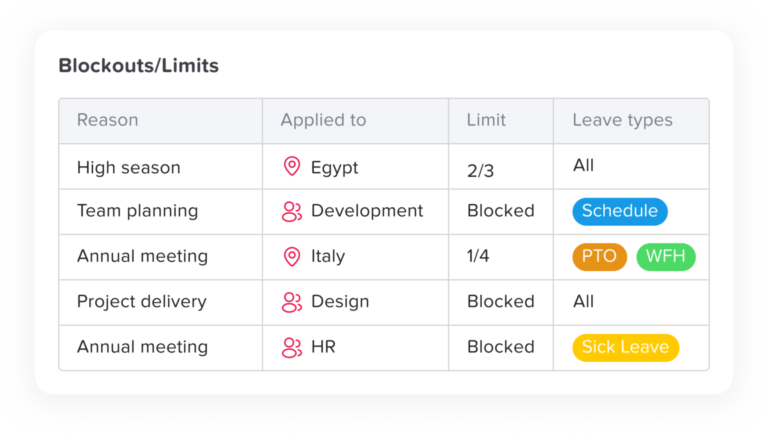
- Too many employees are already scheduled to be absent.
- The requested period falls during a critical business cycle.
- A major project requires the employee’s involvement.
- Temporary coverage cannot reasonably be arranged.
- The employee has already used the available benefit.
The employer should distinguish between a discretionary sabbatical request and an absence that may qualify for protected leave or a reasonable accommodation.
When a request is denied because of timing, the employer may consider offering alternative dates rather than rejecting the benefit completely.
What Should a Sabbatical Coverage Plan Include?
The coverage plan should explain how work will continue during the employee’s absence.
It may identify:
- Ongoing projects
- Temporary project owners
- Approval responsibilities
- Client contacts
- Deadlines
- Recurring meetings
- Access permissions
- Emergency escalation paths
- Reports that must continue
- Work that can be paused
- Work that should be reassigned
- Training needed before departure
The plan should not simply transfer the entire workload to one coworker without reviewing capacity.
A sabbatical can reveal whether a team depends too heavily on one employee. Documenting processes and distributing knowledge before the absence can improve business continuity after the employee returns as well.
Should Employers Hire Temporary Coverage?
Temporary coverage may be appropriate when:
- The employee holds a specialized role.
- The sabbatical lasts several months.
- Work cannot be redistributed safely.
- The team already operates near full capacity.
- Regulatory or customer-service requirements require continuous coverage.
- Delaying the work would create substantial cost.
Possible solutions include:
- Temporary employees
- Fixed-term contractors
- Internal secondments
- Acting-role assignments
- Cross-training
- Reduced project scope
- Delayed nonessential work
The sabbatical budget should consider not only the employee’s pay but also the cost of temporary coverage and handover time.
What Happens to the Employee’s PTO Balance During a Sabbatical?
The policy should explain whether existing PTO:
- Remains available
- Must be used before unpaid sabbatical leave
- Can be used during part of the sabbatical
- Continues accruing
- Stops accruing
- Expires during the absence
- Carries over normally
- Is protected from expiration until the employee returns
Example
An employee begins a three-month unpaid sabbatical with 12 PTO days. The company’s vacation year resets during the absence.
The policy should answer:
- Does the balance expire on the normal date?
- Can the employee carry it into the next period?
- Is the expiration paused because the employee could not use it?
- Does the employee receive the new annual grant?
- Is the new grant prorated?
Without a written rule, the employee and payroll may reach different conclusions.
What Happens if a Public Holiday Occurs During a Sabbatical?
The result depends on the pay structure.
Fully paid sabbatical
A public holiday may make no difference because the employee receives the same sabbatical pay for the period.
Unpaid sabbatical
The employee may not receive holiday pay unless the company’s policy provides it to employees on unpaid leave.
Sabbatical combined with PTO
If the employee is using PTO on the holiday, the holiday may be excluded from the PTO deduction according to the company’s ordinary holiday rules.
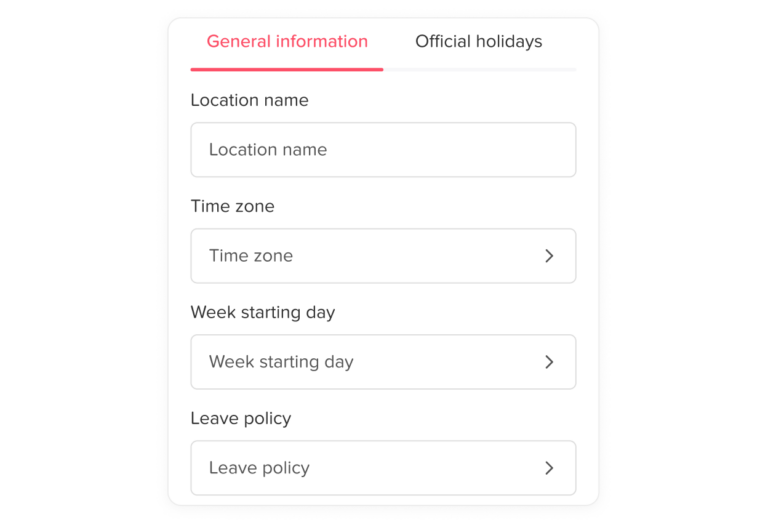
The policy should also explain how local holiday calendars apply to employees working in different locations.
What Happens if the Employee Becomes Ill During a Sabbatical?
The employer should decide whether an employee can pause or reclassify a sabbatical because of illness.
Possible approaches include:
- The sabbatical continues without change.
- The employee may request FMLA or another protected leave.
- Paid sick leave may replace part of an unpaid sabbatical where permitted.
- The sabbatical may be extended by the affected period.
- The employee may return early and request medical leave separately.
The correct legal treatment depends on the employee’s eligibility, location, medical circumstances, and applicable policies.
HR should avoid assuming that an employee loses protected-leave rights because the medical need began during an elective sabbatical.
Can an Employee Extend a Sabbatical?
The policy should state whether extensions are permitted.
A request for additional time may require:
- Written notice
- Manager approval
- HR review
- A revised coverage plan
- Benefits review
- Confirmation of the final return date
The employer may limit extensions to exceptional circumstances.
Example rule
Employees requesting an extension must apply at least 30 days before the approved return date. Approval is not guaranteed and depends on business needs, benefit eligibility, and the maximum leave duration.
An employee who cannot return because of a medical condition may require a separate protected-leave or accommodation review rather than an ordinary sabbatical extension decision.
What Happens if the Employee Does Not Return?
The sabbatical agreement should explain what happens when an employee:
- Resigns during the sabbatical
- Fails to return on the agreed date
- Accepts another job
- Becomes unable to return
- Requests an extension without approval
The policy may require the employee to provide written resignation or follow normal notice requirements.
Employers considering repayment of sabbatical compensation, training costs, or benefits should obtain location-specific legal and tax advice. A repayment clause is not automatically enforceable merely because it appears in the policy.
Can Employees Work Somewhere Else During a Sabbatical?
The employer should decide whether outside employment is:
- Permitted
- Prohibited
- Permitted with written approval
- Restricted only when a conflict exists
Relevant concerns may include:
- Conflicts of interest
- Competition
- Confidential information
- Intellectual property
- Client relationships
- Employee fatigue
- Visa or work-permit restrictions
- Benefit eligibility
A policy intended to support study, travel, or service may reasonably permit some outside activity while still prohibiting work for a direct competitor.
The rules should be applied consistently and should not reach beyond what is lawful in the employee’s location.
Sample Sabbatical and PTO Scenarios
A strong sabbatical policy should answer the following questions.
What is the program’s purpose?
Explain whether the benefit supports:
- Retention
- Professional development
- Personal renewal
- Long service
- Volunteering
- Academic work
- General extended leave
A clear purpose helps HR assess applications consistently.
Who is eligible?
Define:
- Required service
- Employment classifications
- Performance conditions
- Previous sabbatical restrictions
- Treatment of part-time service
- Treatment of breaks in service
How much leave is available?
State:
- Minimum duration
- Maximum duration
- Whether it must be continuous
- Whether extensions are allowed
- How frequently the benefit may be used
Is the sabbatical paid?
Specify:
- Full, partial, or no pay
- Pay rate
- Payroll frequency
- Bonus and commission treatment
- PTO usage requirements
What happens to benefits?
Address:
- Health insurance
- Retirement plans
- Insurance benefits
- Equity
- Seniority
- PTO accrual
- Holidays
How is leave requested?
Explain:
- Application process
- Required notice
- Required information
- Approval authority
- Expected response time
- Appeal or rescheduling process
What must happen before departure?
Require:
- Coverage plan
- Handover
- Documentation
- Delegated authority
- System-access decisions
- Client communication
What happens during leave?
Define:
- Work-contact expectations
- Outside employment
- Company equipment
- Confidentiality
- Changes in contact details
What happens at return?
Explain:
- Return date confirmation
- Position restoration
- Reintegration meetings
- Responsibility handback
- Performance-review timing
- Treatment of extensions
Employee Sabbatical Program
The company offers eligible employees an opportunity to request extended leave for personal development, education, volunteering, travel, renewal, or another approved purpose.
Full-time employees may apply after completing [number] years of continuous service. Eligibility to apply does not guarantee approval. Requests are evaluated according to business coverage, timing, employee performance, prior sabbatical use, and compliance with this policy.
Eligible employees may request between [minimum] and [maximum] consecutive weeks of sabbatical leave. Requests must be submitted at least [number] months before the proposed start date.
Approved sabbaticals will be [fully paid, partially paid, or unpaid]. Employees may [choose, be required, or not be permitted] to use accrued PTO during the sabbatical.
The treatment of health insurance, retirement benefits, bonuses, equity, PTO accrual, holidays, and other benefits will be determined by the applicable plan documents and the terms provided in the employee’s written approval.
Before the sabbatical begins, the employee and manager must complete a coverage and handover plan identifying projects, responsibilities, deadlines, temporary owners, and escalation procedures.
Employees are not expected to perform regular work during the sabbatical. Any required work must be approved and recorded according to applicable wage and hour requirements.
The employee is expected to return on the approved date. The company will return the employee to [the same position, a substantially similar position, or another position defined by the policy], subject to applicable law and the written sabbatical agreement.
A sabbatical does not replace FMLA, disability accommodation leave, military leave, statutory sick leave, or another legally protected absence. Requests that may qualify for protected leave will be reviewed separately.
Extensions require written approval. Failure to return on the approved date without authorization may be handled under the company’s attendance and separation policies.
Sabbatical Policy Checklist
| Policy Area | What the Employer Should Define |
|---|---|
| Program purpose | Development, renewal, volunteering, long service, or general extended leave |
| Eligible employees | Classification, service, performance, and location |
| Service requirement | Years of continuous employment |
| Duration | Minimum and maximum weeks or months |
| Frequency | How often an employee may take a sabbatical |
| Pay | Fully paid, partially paid, or unpaid |
| PTO coordination | Required, optional, prohibited, or limited usage |
| Notice period | Application deadline |
| Approval authority | Manager, HR, executive, or committee |
| Approval criteria | Coverage, timing, cost, performance, and business needs |
| Protected leave | Separate FMLA and accommodation review |
| PTO accrual | Continue, pause, or accrue only during paid periods |
| Carryover and expiry | Treatment of balances during absence |
| Health insurance | Eligibility and contribution collection |
| Other benefits | Retirement, bonuses, equity, insurance, and seniority |
| Holidays | Pay and balance treatment |
| Work expectations | Availability, meetings, and emergency contact |
| Outside work | Permission and conflict-of-interest rules |
| Coverage plan | Projects, temporary owners, and deadlines |
| Return rights | Same, similar, or another available position |
| Extensions | Notice and approval process |
| Failure to return | Resignation and attendance treatment |
| Records | Application, approval, benefit terms, and return date |
Common Sabbatical Policy Mistakes
Treating a sabbatical like a long vacation request
A several-month absence requires more planning than ordinary PTO.
Failing to define return rights
Employees need to know whether the same position, a similar role, or only continued employment is promised.
Ignoring protected-leave laws
A medical or caregiving request may trigger FMLA or accommodation obligations even when the employee does not qualify for a sabbatical.
Promising benefits without reviewing plan documents
The sabbatical policy should not promise health, retirement, equity, or insurance treatment that the governing plan does not support.
Requiring employees to work during unpaid leave
Nonexempt employees generally must be paid for compensable work. Frequent contact also prevents a meaningful break. o explain PTO accrual
Employees should know whether PTO continues earning during paid and unpaid portions of the absence.
Approving requests verbally
A written agreement should confirm the dates, pay, benefits, PTO treatment, coverage plan, and return expectations.
Making inconsistent exceptions
If one employee receives an early sabbatical or longer period, the employer should document the reason and review similar future requests consistently.
Forgetting public holidays and reset dates
A sabbatical may cross holidays, PTO resets, carryover deadlines, bonus dates, or benefit-enrollment periods.
Assuming the employee will return automatically
The agreement should define communication requirements, extension procedures, and what happens if the employee resigns.
How Day Off Helps Manage Sabbatical Leave and PTO
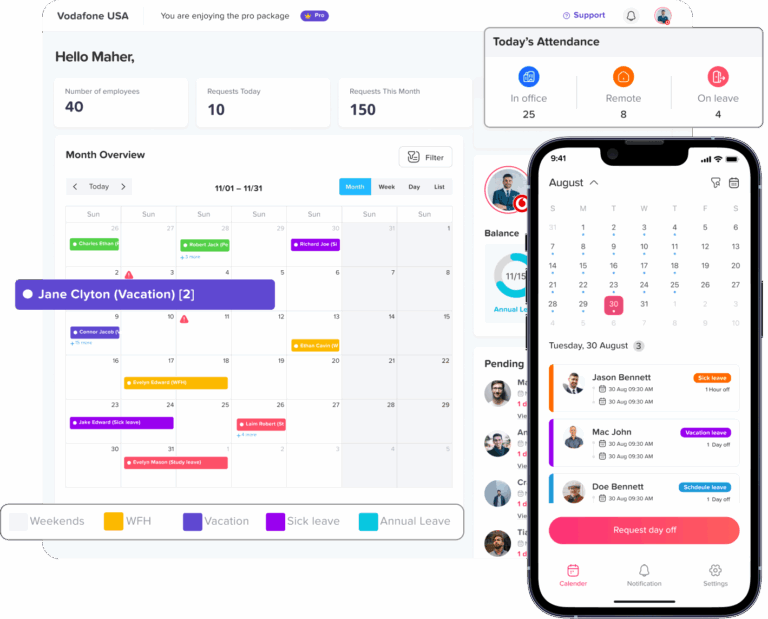
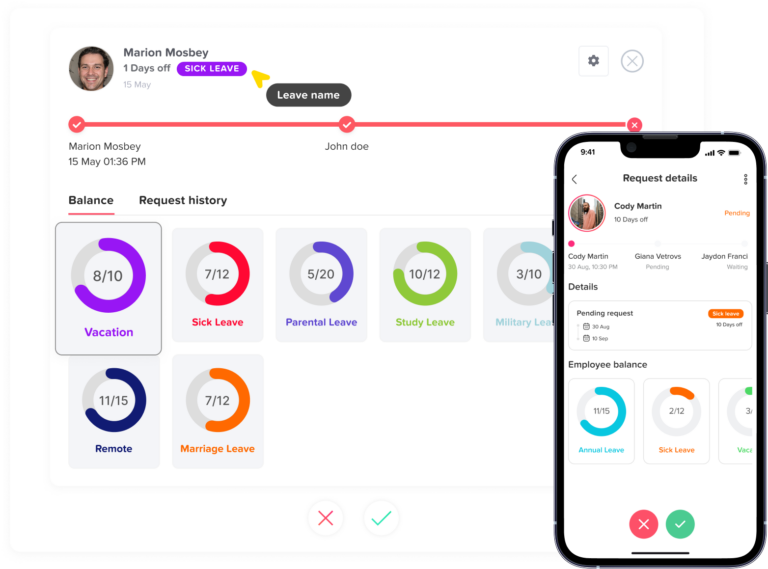
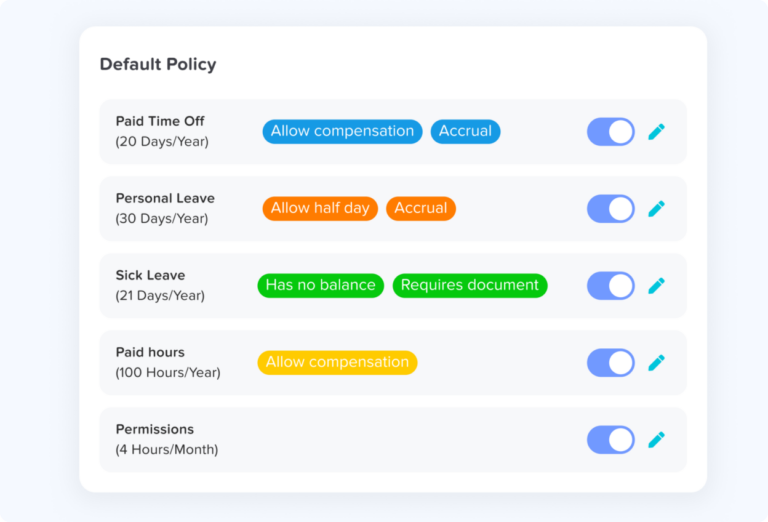
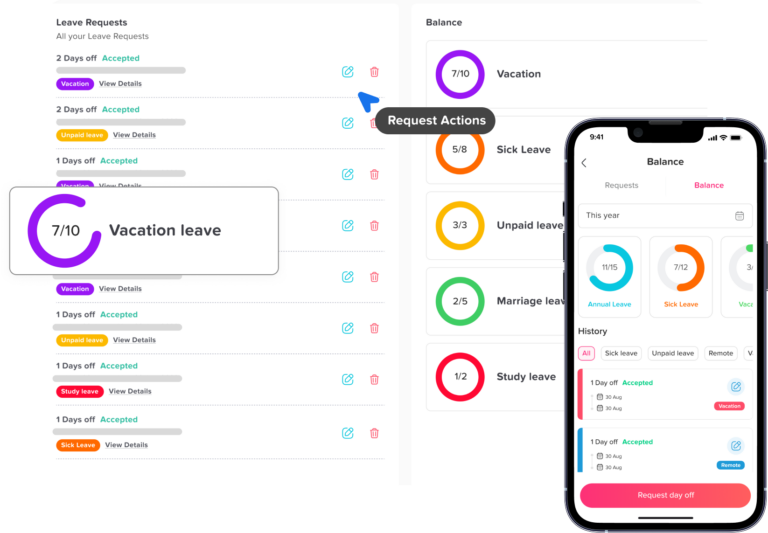
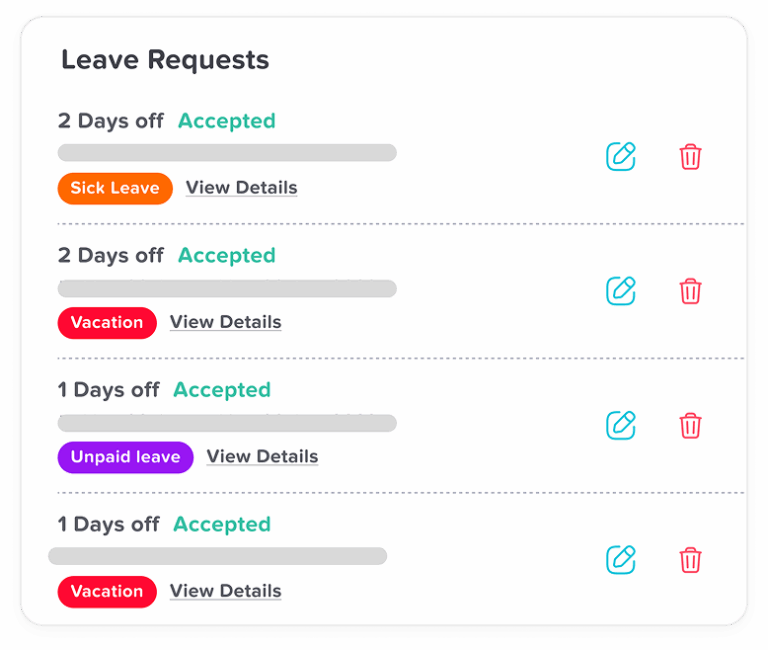
Day Off allows employers to create custom leave types for different categories of absence, including vacation, unpaid leave, study leave, and sabbatical leave. Each leave type can have its own balance, approval requirements, document settings, and policy rules. an create a separate Sabbatical Leave type instead of deducting every extended absence from the employee’s ordinary PTO balance.
Depending on the company’s policy, the sabbatical leave type may be configured with:
- A fixed day or hour allowance
- No balance
- Paid or unpaid administrative treatment
- Required approval
- Required comments or supporting documents
- Employee-specific eligibility
- Separate policies for teams, locations, or individuals
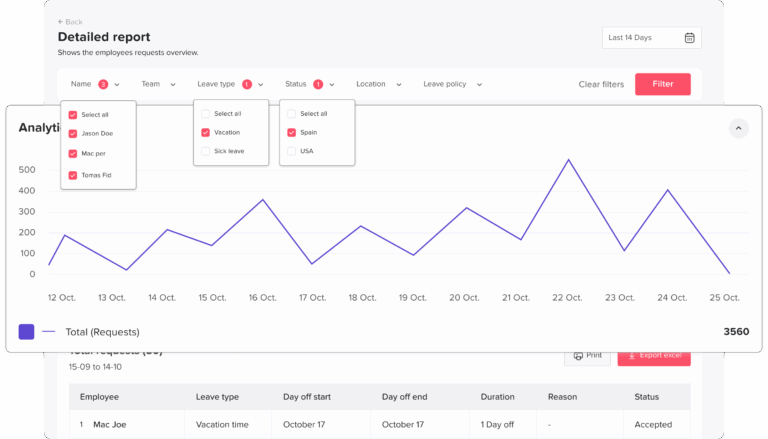
Day Off also provides detailed, balance, total, accrual, and carryover reports. These reports help HR distinguish ordinary PTO usage from sabbatical leave and review how balances, accruals, and long-term absences affect different employees. nfiguration should follow the written sabbatical policy. Payroll, benefits, protected-leave administration, and return-to-work commitments may require additional processes outside the leave request itself.
Frequently Asked Questions About Sabbaticals and PTO
What is the main difference between a sabbatical and PTO?
PTO is an annual paid-leave benefit generally used for vacations and shorter absences. A sabbatical is a separate extended-leave program usually offered after an employee completes a defined period of service.
Is a sabbatical considered PTO?
Not necessarily. An employer may create sabbatical leave as a separate benefit or require employees to use PTO during part of the sabbatical. The written policy should explain how the two benefits interact.
Is sabbatical leave always paid?
No. Sabbaticals may be fully paid, partially paid, or unpaid. The employer determines the pay structure through its policy or sabbatical agreement.
How long is a typical sabbatical?
There is no legally required duration. Employer policies may offer several weeks or several months, depending on service, program purpose, cost, and workforce coverage.
How long should an employee work before receiving a sabbatical?
Employers commonly use a significant service requirement because sabbaticals are often designed as long-service benefits. The company may choose five, seven, ten, or another number of years based on its retention goals and budget.
Can an employee use PTO for a sabbatical?
Yes, if the employer permits or requires it. An employee may use PTO for all or part of the absence and take the remainder as paid, partially paid, or unpaid sabbatical leave.
Does PTO accrue during a sabbatical?
It depends on the policy. PTO may continue during paid sabbatical leave, stop during unpaid leave, or pause for the entire period. The employer should state the rule explicitly.
Do health benefits continue during a sabbatical?
Benefit continuation depends on the employer’s policy, the plan documents, the length and pay status of the leave, and applicable law. When leave qualifies for FMLA, group health coverage generally must continue under the same conditions as if the employee had continued working. atical job-protected?
An optional sabbatical does not automatically provide statutory job protection. Return rights should be defined in the employer’s policy or written agreement. FMLA, the ADA, state law, or another requirement may provide separate protections depending on the reason for leave.
Can an employer deny a sabbatical?
A discretionary sabbatical request may generally be denied or postponed when the employee is ineligible or the company cannot support the requested timing. Potentially protected medical, family, military, or disability-related leave should be reviewed separately.
Is a sabbatical the same as unpaid leave?
Not always. A sabbatical is a structured extended absence that may be paid, partially paid, or unpaid. General unpaid leave may be shorter, less formal, and available for a wider range of circumstances.
Is a sabbatical the same as FMLA?
No. A sabbatical is normally an optional employer benefit. FMLA is a federal law providing eligible employees of covered employers with job-protected leave for qualifying family and medical reasons. run at the same time as a sabbatical?
Yes, when the absence qualifies for FMLA and the employee and employer meet the law’s requirements. The employer should designate the qualifying period and track the FMLA entitlement separately.
Can an employee work another job during a sabbatical?
The employer’s policy should answer this question. Outside work may be permitted, prohibited, or subject to approval, particularly when conflicts of interest, competition, confidentiality, or benefit eligibility are involved.
Can an employee be contacted during a sabbatical?
A policy may allow limited emergency contact, but regular work should normally be reassigned. Nonexempt employees must generally be paid for compensable work the employer requires or permits. ens if an employee becomes sick during a sabbatical?
The employee may need to request FMLA, sick leave, disability accommodation leave, or another protected absence. The employer should review the circumstances rather than assuming the original sabbatical classification controls the entire period.
Can a sabbatical be extended?
An employer may permit extensions through a written approval process. The policy should state the notice requirement, maximum duration, benefit consequences, and effect on the employee’s return rights.
What happens if the employee does not return after a sabbatical?
The employer may treat the situation under its resignation, attendance, or unauthorized-absence policies, subject to applicable law. The written sabbatical agreement should explain the employee’s return and communication obligations.
Which is better for employee retention, PTO or sabbatical leave?
The benefits serve different needs. PTO provides regular flexibility throughout the year, while sabbaticals offer a significant long-service benefit. Many employers may benefit from offering reliable annual PTO first and adding sabbaticals for eligible long-term employees.
Should small businesses offer sabbaticals?
A small business can offer sabbaticals, but it should first evaluate staffing capacity, temporary coverage, cost, benefits administration, and the impact of a key employee’s extended absence. A shorter or unpaid program may be more manageable than a lengthy fully paid benefit.
Conclusion
The choice between a sabbatical and PTO is not simply a choice between a longer and shorter vacation.
PTO is designed to support regular rest, vacations, personal responsibilities, and short absences throughout the year. A sabbatical is a separate long-term leave program that requires earlier notice, more detailed approval, stronger coverage planning, and clear rules for pay, benefits, accruals, and return to work.
PTO is usually the better option for absences lasting a few days or weeks. A sabbatical may be more suitable when an eligible employee needs several weeks or months for study, travel, volunteering, personal development, or meaningful renewal.
Employers considering a sabbatical program should define:
- Who is eligible
- How long the leave lasts
- Whether it is paid
- Whether employees must use PTO
- Whether PTO continues accruing
- How benefits are handled
- What work contact is permitted
- Which role the employee returns to
- How protected leave is identified
- What happens if the employee cannot return
Day Off helps employers keep sabbatical leave separate from ordinary PTO through custom leave types, policies, approval workflows, balances, calendars, and reports. A clearly structured system makes it easier to support extended employee leave without losing visibility into regular PTO and team availability.