





A No Call No Show happens when an employee misses a scheduled shift without reporting the absence according to the employer’s established notification procedure. For employers, these unexpected absences can disrupt staffing, delay projects, increase workloads for other employees, and create uncertainty for managers. However, responding appropriately requires more than simply penalizing every employee who fails to appear. Employers need a clear attendance policy, a reliable method for documenting absences, and a process for determining whether an absence may be protected by federal, state, or local law.

A well designed no call no show policy establishes expectations before an attendance problem occurs. Employees should know who they need to contact, when they must provide notice, which communication methods are acceptable, and what may happen if they fail to follow the procedure.
At the same time, employers should avoid treating every unexplained absence as job abandonment automatically. Emergencies, medical conditions, protected leave, communication failures, and other circumstances may require additional review.
This guide explains what a no call no show means, how employers can create a reasonable policy, when disciplinary action may be appropriate, and what HR teams should consider before terminating an employee for attendance violations.
What Is a No Call No Show?
A no call no show generally occurs when an employee:
Is scheduled to work.
Does not report for the scheduled shift.
Does not receive approval for the absence beforehand.
Does not notify the employer according to the company’s call-in or absence-reporting procedure.
The exact definition depends on the employer’s written policy.
For example, one organization may require employees to notify their manager at least one hour before the shift begins. Another may require employees to submit an absence through an HR system or designated phone number.
If an employee follows the established reporting procedure but still cannot work, the absence would generally be classified as an absence rather than a no call no show.
No Call No Show vs. Unexcused Absence
The terms are sometimes used interchangeably, but they do not necessarily mean the same thing.
| Situation | Employee Notifies Employer? | Typical Classification |
|---|---|---|
| Employee calls before the shift because they are sick | Yes | Reported absence |
| Employee requests vacation in advance | Yes | Approved leave |
| Employee calls after missing a shift without a valid explanation | Late notification | May be unexcused absence |
| Employee never reports for work or contacts the employer | No | No call no show |
| Emergency prevents employee from contacting employer until later | Delayed | Requires review |
Employers should define these categories clearly rather than relying on managers to interpret them differently.
Why Employers Need a No Call No Show Policy
Unexpected absences can create significant operational problems.
A restaurant may suddenly have fewer servers available during a busy shift. A manufacturing facility may not have enough workers to operate a production line efficiently. A customer support department may experience longer response times. A small company may have to redistribute critical responsibilities immediately.
A written policy provides structure for handling these situations.
It can help employers:
Establish consistent attendance expectations.
Reduce confusion about reporting absences.
Document attendance problems.
Treat similar situations consistently.
Give managers a clear escalation process.
Distinguish reported leave from unexplained absences.
Identify repeated attendance problems.
Maintain adequate staffing.
Reduce disputes about whether employees followed procedures.
The purpose of the policy should not simply be punishment. A good attendance policy creates a predictable process for employees and managers.
What Should a No Call No Show Policy Include?
The strongest policies are specific enough that employees understand exactly what they are expected to do.
Define a No Call No Show
Start by explaining exactly what the company considers a no call no show.
For example:
An employee may be considered a no call no show when they fail to report for a scheduled shift and fail to notify their supervisor or designated company contact according to the company’s absence-reporting procedure.
Avoid vague wording such as “employees must provide reasonable notice” without explaining what reasonable notice normally means.
Establish a Notification Deadline
Employees should know when they are expected to report an absence.
A company might require notification:
At least one hour before the shift.
At least two hours before the shift.
Before the employee’s scheduled start time.
As soon as reasonably possible during an emergency.
The appropriate requirement depends on the business and type of work.
Employers should also recognize that unusual circumstances can make normal notification impossible.
Under the federal Family and Medical Leave Act, for example, employees generally must follow an employer’s normal call-in procedures when requesting unforeseeable FMLA leave unless unusual circumstances prevent them from doing so. When unexpected FMLA-covered leave is needed, notice generally must be provided as soon as it is practical under the circumstances.
Explain Who Employees Should Contact
A policy should clearly identify the correct contact.
Depending on the organization, that might be:
The employee’s direct supervisor.
HR.
A scheduling manager.
An attendance hotline.
An HR or workforce management system.
Employees should not have to guess which manager needs to receive the notification.
Define Accepted Communication Methods
Specify how employees can report an absence.
Possible methods include:
Phone call.
HR system.
Employee scheduling app.
Email.
SMS.
Company communication platform.
Employers should be cautious about rules that are unnecessarily rigid during genuine emergencies.
For example, requiring an employee to personally telephone one particular manager may cause problems if the employee is hospitalized or otherwise unable to make the call.
Explain What Information Employees Should Provide
Employees may be asked to provide basic information such as:
Their name.
Scheduled shift.
That they will be absent or late.
Expected duration of the absence.
Expected return date, if known.
Whether another update will be required.
Employers should avoid unnecessarily requesting detailed medical information from employees.
Medical information obtained in connection with disability or leave situations may also be subject to confidentiality requirements. The EEOC recommends keeping medical information obtained through leave requests confidential and separately maintained.
Can an Employer Fire Someone for a No Call No Show?
Potentially, but termination should not be automatic in every situation.
Employment laws, contractual obligations, company policies, union agreements, and the circumstances behind the absence can all affect an employer’s options.
Employers should normally determine:
What happened?
Did the employee know the reporting procedure?
Was the employee reasonably able to follow it?
Has the employee violated the policy before?
Is the absence connected to legally protected leave or activity?
Has the policy been applied consistently to comparable employees?
Does the company’s written policy support the proposed disciplinary action?
Only after reviewing these issues should the employer decide on the appropriate response.
How Many No Call No Shows Before Termination?
There is no universal rule requiring every employer to allow a specific number of no call no show incidents before terminating employment.
An employer might use progressive discipline such as:
| Violation | Possible Employer Response |
|---|---|
| First incident | Discussion or verbal warning |
| Second incident | Written warning |
| Third incident | Final warning |
| Continued violation | Termination may be considered |
This is only an example, not a legally required sequence.
Some organizations may treat one unexplained absence as serious misconduct, particularly when the employee holds a safety sensitive or essential position. Others may allow multiple incidents before considering termination.
The most important factor is that the company’s actual practice should match its written policy and applicable law.
Should One No Call No Show Result in Termination?
Automatically terminating an employee after one incident can be risky.
Consider an employee who misses a shift because they were taken to an emergency room following a serious accident. The employee may have had no practical opportunity to contact the company before the shift.
Under FMLA rules, employees needing unexpected qualifying leave must generally notify the employer as soon as practicable. The Department of Labor specifically recognizes that circumstances may prevent an employee from reporting an absence immediately.
The safer HR approach is usually to investigate the circumstances before making a final employment decision.
When a No Call No Show May Involve Protected Leave
One of the most important parts of managing unexplained absences is determining whether another employment law applies.
Family and Medical Leave Act
Eligible employees of covered employers may qualify for job-protected leave under the Family and Medical Leave Act for certain family and medical reasons.
Employees do not necessarily have to say, “I am requesting FMLA leave.”
The employee must provide enough information for the employer to reasonably determine that the FMLA might apply.
For unforeseeable leave, notice must generally be provided as soon as practicable. Employees normally must follow the employer’s usual call-in procedures unless unusual circumstances make that impossible.
This means employers should avoid assuming that an absence is unprotected merely because the employee did not specifically mention FMLA.
Disability and Reasonable Accommodation
Attendance issues can sometimes be related to a disability.
Under the Americans with Disabilities Act, leave or changes to attendance procedures may sometimes constitute reasonable accommodations, absent undue hardship.
The EEOC explains that reasonable accommodation may include leave, schedule modifications, or changes to certain workplace policies when appropriate.
An employer therefore should be cautious before applying an automatic attendance rule when the employer knows or learns that the situation may involve a disability.
State and Local Sick Leave Laws
Many states and municipalities have paid or protected sick leave requirements.
The rules vary by location and may establish:
Qualifying reasons for leave.
Notice requirements.
Documentation requirements.
Employee protections.
Anti retaliation provisions.
Employers operating across several states should avoid assuming that one attendance policy can be enforced identically everywhere.
The policy may need local supplements or different procedures for different jurisdictions.
Other Protected Absences
Depending on the circumstances and jurisdiction, additional protections may apply to absences connected with matters such as:
Military service.
Jury duty.
Workers’ compensation.
Pregnancy or childbirth.
Domestic violence or safe leave.
Voting leave.
Bereavement leave in jurisdictions where protected.
Other state or local statutory leave.
Employers should therefore conduct a compliance review before categorizing unusual absences as misconduct.
Protected Employee Activity Can Matter Too
Attendance rules also should not be used to punish employees for conduct protected under labor law.
The National Labor Relations Act protects many employees who act together regarding workplace conditions. Examples may include employees collectively raising concerns about wages, schedules, safety, or other working conditions.
The National Labor Relations Board states that employers cannot discipline or discharge employees because they engage in protected concerted activity.
This does not mean ordinary attendance rules cannot be enforced. It means employers should determine whether apparently unauthorized conduct is connected to legally protected activity before imposing discipline.
What Should an Employer Do After a No Call No Show?
HR teams should follow a consistent process rather than making an immediate assumption.
Step 1: Verify the Schedule
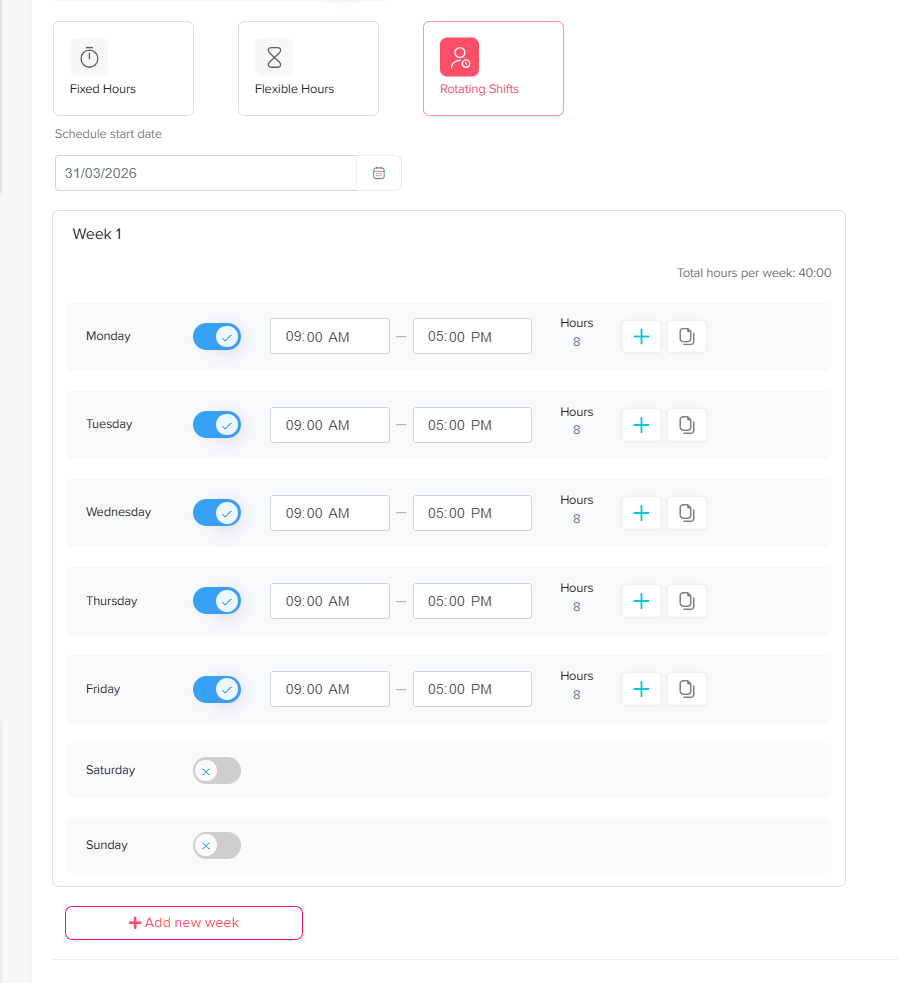
First confirm that the employee was actually scheduled to work.
Scheduling mistakes happen.
Check:
Published schedule.
Shift changes.
Approved swaps.
PTO records.
Manager messages.
Approved leave requests.
An employee should not receive an attendance violation because a scheduling change was not properly recorded.
Step 2: Check Leave and PTO Records
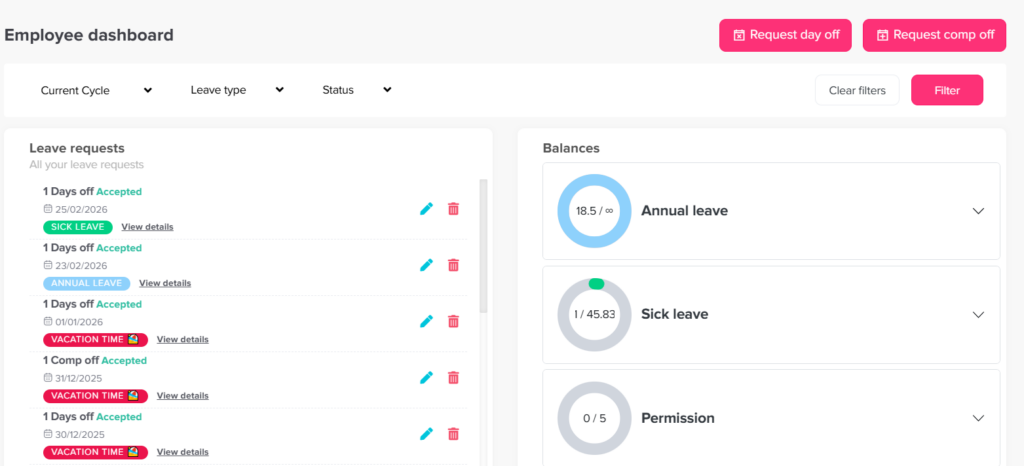
Determine whether the employee had:
Approved vacation.
Sick leave.
FMLA leave.
Personal leave.
Intermittent leave.
Another approved absence.
Disconnected HR systems can create situations where a manager sees an employee as absent while HR has already approved the leave.
Centralized leave tracking can significantly reduce this problem.
Step 3: Attempt to Contact the Employee
When reasonable, try contacting the employee.
This is particularly important when an employee who normally reports reliably suddenly disappears without explanation.
A manager could send a simple message such as:
“We noticed you have not reported for your scheduled shift today. Please contact your manager or HR as soon as possible.”
Avoid immediately sending accusatory or termination language before the facts are known.
Step 4: Document the Incident
Record objective information.
For example:
Date.
Scheduled shift.
Expected start time.
Actual attendance status.
Whether the employee contacted anyone.
Contact attempts made by management.
Time of each attempt.
Employee’s eventual explanation.
Applicable attendance rule.
Previous attendance incidents.
Documentation should describe facts rather than assumptions.
Instead of writing:
“Employee clearly did not care about coming to work.”
Write:
“Employee was scheduled at 9:00 a.m. and did not report. No notification had been received as of 11:00 a.m.”
Step 5: Ask for an Explanation
If the employee later makes contact, allow them to explain the circumstances.
The explanation may reveal:
Medical emergency.
Hospitalization.
Family emergency.
Communication failure.
Incorrect schedule.
Transportation emergency.
Potential protected leave.
Misunderstanding of the reporting procedure.
Not every explanation requires excusing the absence, but employers should have the relevant facts before making a decision.
Step 6: Review Legal and Policy Considerations
Before discipline, HR should determine whether:
FMLA may apply.
Disability accommodation may be relevant.
Paid sick leave law may apply.
Another statutory leave applies.
A collective bargaining agreement governs attendance.
The employee was engaged in protected activity.
The company’s own policy was followed.
Step 7: Apply Appropriate Discipline
Once the circumstances are established, the employer can determine the appropriate response.
Possible outcomes include:
No discipline.
Coaching.
Verbal warning.
Written warning.
Attendance point.
Final warning.
Suspension where permitted.
Termination.
The response should reflect the seriousness of the violation, employment law requirements, company policy, and how similar cases have been handled.
What Is Job Abandonment?
Job abandonment generally refers to circumstances in which an employee stops reporting to work and gives the employer reason to believe they do not intend to return.
Companies sometimes define job abandonment as a specific number of consecutive no call no show days.
For example:
“Three consecutive scheduled workdays without notification may be treated as job abandonment.”
However, this should not be treated as an automatic legal rule.
Before processing a separation as job abandonment, employers should attempt to determine whether circumstances such as hospitalization, protected leave, disability, or another legitimate reason explain the employee’s absence.
The company should also follow whatever procedure is described in its handbook or employment policies.
No Call No Show Policy Example
Employers should customize their policy for their workforce, jurisdiction, and operational requirements.
A basic policy might read:
Attendance and Absence Notification
Employees are expected to report for all scheduled shifts unless an absence has been approved or properly reported.
If an employee cannot report for a scheduled shift, the employee should notify their designated supervisor or use the company’s approved absence-reporting system as soon as reasonably possible and, under normal circumstances, before the employee’s scheduled start time.
Employees should provide their name, scheduled shift, expected duration of the absence, and other information reasonably required to process the absence.
Failure to report for a scheduled shift and failure to provide required notification may be classified as a no call no show.
No call no show incidents may result in disciplinary action, up to and including termination, depending on the circumstances, applicable law, the employee’s attendance history, and company policy.
Employees will not be disciplined for failing to follow normal notification procedures when applicable law protects the absence or circumstances reasonably prevented compliance.
Employees who remain absent for multiple scheduled workdays without contacting the company may be considered to have abandoned their position after the company reviews the circumstances and applicable legal requirements.
This sample should be reviewed by qualified HR or legal professionals before implementation.
Common No Call No Show Policy Mistakes
Automatic Termination Without Investigation
A policy stating “one no call no show equals immediate termination” may create unnecessary risk when protected leave or an emergency is involved.
A better policy gives the employer discretion to investigate first.
Unclear Notification Procedures
Telling employees simply to “notify management” creates ambiguity.
Which manager?
By telephone or message?
How early?
What if the manager does not answer?
Clear procedures eliminate many disputes.
Different Rules for Different Employees
Inconsistent enforcement can create morale problems and potentially increase legal risk.
Managers should not ignore repeated absences by one employee while terminating another employee for similar conduct without a legitimate reason for the distinction.
Failing to Train Managers
Managers are often the first people receiving absence notifications.
They need to recognize statements that may indicate:
FMLA leave.
Disability accommodation.
Workplace injury.
Protected sick leave.
Other legally protected situations.
Employees do not always use legal terminology when requesting protected leave.
Treating PTO and Attendance as Separate Systems
A manager may record an employee as absent even though HR approved their PTO.
Connecting scheduling, attendance, and leave records reduces this type of error.
How Day Off Can Help Manage Absences and Attendance
Managing no call no show incidents becomes easier when HR teams can quickly distinguish approved leave from unexplained absences.
Day Off brings PTO tracking, leave management, work schedules, attendance, and time tracking into one system.
Employers can use Day Off to manage:
Employee leave requests.
Vacation and PTO balances.
Sick and personal leave.
Custom leave policies.
Approval workflows.
Company holidays.
Employee work schedules.
Shift planning.
Clock in and clock out records.
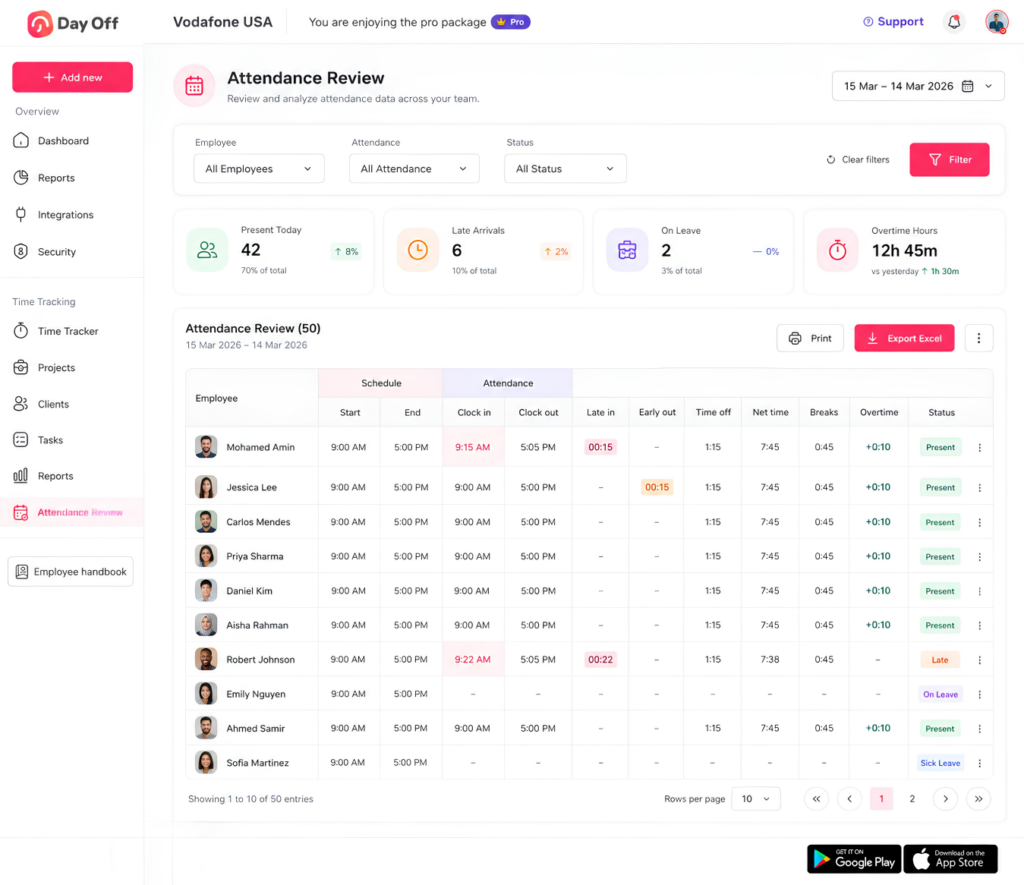
Attendance status.
Late arrivals.
Absences.
Break tracking.
Overtime records.
Attendance and time reports.
When an employee appears absent, managers can review whether the employee has approved leave before treating the situation as an attendance violation.
Day Off’s time tracking tools can also help teams compare scheduled work with actual attendance and identify patterns such as frequent lateness, missed shifts, or unexpected absences.
For companies with multiple employees and schedules, maintaining these records in a centralized system can make attendance decisions more consistent and easier to document.
How to Prevent No Call No Show Problems
A policy is important, but prevention is often more effective than discipline.
Make Schedules Easy to Access
Employees should always be able to confirm:
Which days they work.
Shift start times.
Shift end times.
Schedule changes.
Last-minute scheduling changes should be communicated clearly.
Create One Simple Reporting Procedure
Avoid forcing employees to contact several different people.
A simple procedure might be:
Notify the manager.
Record the absence through the company’s system.
Provide another update if the absence continues.
Train Employees During Onboarding
Do not assume employees have read every page of the handbook.
During onboarding, explain:
Attendance expectations.
How to request PTO.
How to report illness.
How to report emergencies.
Who employees should contact.
What constitutes a no call no show.
Possible consequences.
Train Supervisors Too
Managers should know how to record absences correctly and when to involve HR.
A manager should not make a termination decision immediately simply because an employee missed a shift.
Monitor Attendance Patterns
Occasional emergencies are different from recurring attendance problems.
Tracking attendance over time allows employers to distinguish isolated incidents from patterns.
For example, HR may notice:
Frequent Monday absences.
Regular late arrivals.
Repeated failure to follow call in procedures.
Multiple missed shifts.
Increasing unscheduled absences.
Patterns can then be addressed through coaching, policy enforcement, or other appropriate action.
How Long Should Employers Wait Before Contacting a No Call No Show Employee?
There is no universal waiting period that applies to every workplace.
The appropriate timing depends on:
Type of work.
Safety considerations.
Employee’s role.
Shift length.
Company policy.
Employee’s attendance history.
For a safety sensitive position, an employer may need to begin contacting the employee immediately.
For other jobs, managers might wait a short period after the scheduled start time before contacting the employee.
Whatever process is used should be reasonably consistent.
Should Employers Call an Employee’s Emergency Contact?
Emergency contacts generally should not be used merely to enforce attendance rules.
However, contacting an emergency contact may be appropriate when there is a genuine concern for the employee’s safety or wellbeing.
For example, an employee who has worked reliably for several years suddenly fails to report, cannot be reached, and has given no indication of taking leave.
Employers should establish internal guidance about when emergency contacts may be used and avoid sharing unnecessary employment information.
Should Employees Be Required to Call Every Day?
Some employers require employees to report each day they remain absent unless the leave has already been approved for a defined period.
This can be reasonable, but the policy should explain the requirement clearly.
For example:
“If the duration of an unscheduled absence is unknown, employees must provide a status update before each scheduled workday unless HR or the employee’s manager has approved a longer period of leave.”
Be careful when applying daily call-in requirements to employees already approved for protected leave. FMLA rules permit employers to require reasonable status updates in appropriate circumstances, but leave procedures must remain consistent with applicable law.
Can an Employee Use PTO After a No Call No Show?
This depends on company policy and applicable law.
Some employers allow accrued PTO to cover the unpaid time even if the absence still counts as an attendance violation.
For example, an employee could:
Receive eight hours of PTO pay for the missed shift.
Still receive an attendance warning for failing to follow the notification procedure.
Other employers may restrict when vacation PTO can be used without advance approval.
Paid sick leave laws may impose different requirements when the absence qualifies as protected sick leave.
Employers should clearly distinguish between:
Pay status: Whether PTO is used to compensate the employee.
Attendance status: Whether the employee followed the required reporting procedure.
They are not necessarily the same question.
Remote Employees and No Call No Shows
Remote work does not eliminate attendance responsibilities.
A remote employee may still be considered absent if they:
Fail to begin work as scheduled.
Do not clock in where required.
Miss scheduled meetings.
Are unreachable during required working hours.
Do not report the absence.
However, employers should avoid interpreting every delayed Slack response or offline status as an absence.
Remote attendance expectations should define:
Required working hours.
Availability expectations.
Time tracking requirements.
Core hours.
Meeting attendance.
Absence notification procedures.
Time zone considerations.
Clear expectations are especially important for distributed teams.
No Call No Show Policy Checklist for Employers
Before implementing or updating a policy, confirm that it answers these questions:
What exactly qualifies as a no call no show?
How early must employees report an absence?
Who must employees contact?
Which communication methods are accepted?
What information must employees provide?
What happens if an emergency prevents notification?
How are consecutive absences handled?
When does HR become involved?
How is the incident documented?
What disciplinary steps may apply?
When might job abandonment apply?
How are FMLA and disability related situations reviewed?
Have relevant state and local leave laws been considered?
Are managers trained to enforce the policy consistently?
Can employees easily access the policy?
If these questions cannot be answered from the policy, employees and managers may interpret the rules differently.
Final Thoughts
A No Call No Show policy gives employers a structured way to handle one of the most disruptive forms of unscheduled absence. The most effective policies clearly explain when employees must report absences, who they need to contact, which communication methods they should use, and what consequences may follow when they fail to comply.
However, consistency should not mean automatic punishment. Before issuing serious discipline or terminating employment, employers should determine why the employee was absent and whether FMLA, disability accommodation requirements, state or local leave laws, labor protections, or another legal requirement could apply.
Accurate records are equally important. By keeping PTO requests, employee schedules, attendance information, and time records organized in a system such as Day Off, employers can more easily distinguish approved leave from unexplained absences and make better informed attendance decisions.
A good no call no show policy ultimately balances two objectives: giving the business predictable attendance standards while allowing appropriate flexibility for emergencies and legally protected leave.